 Bellingham Exterior
 Why Columbia Homes Need a Different Window Strategy
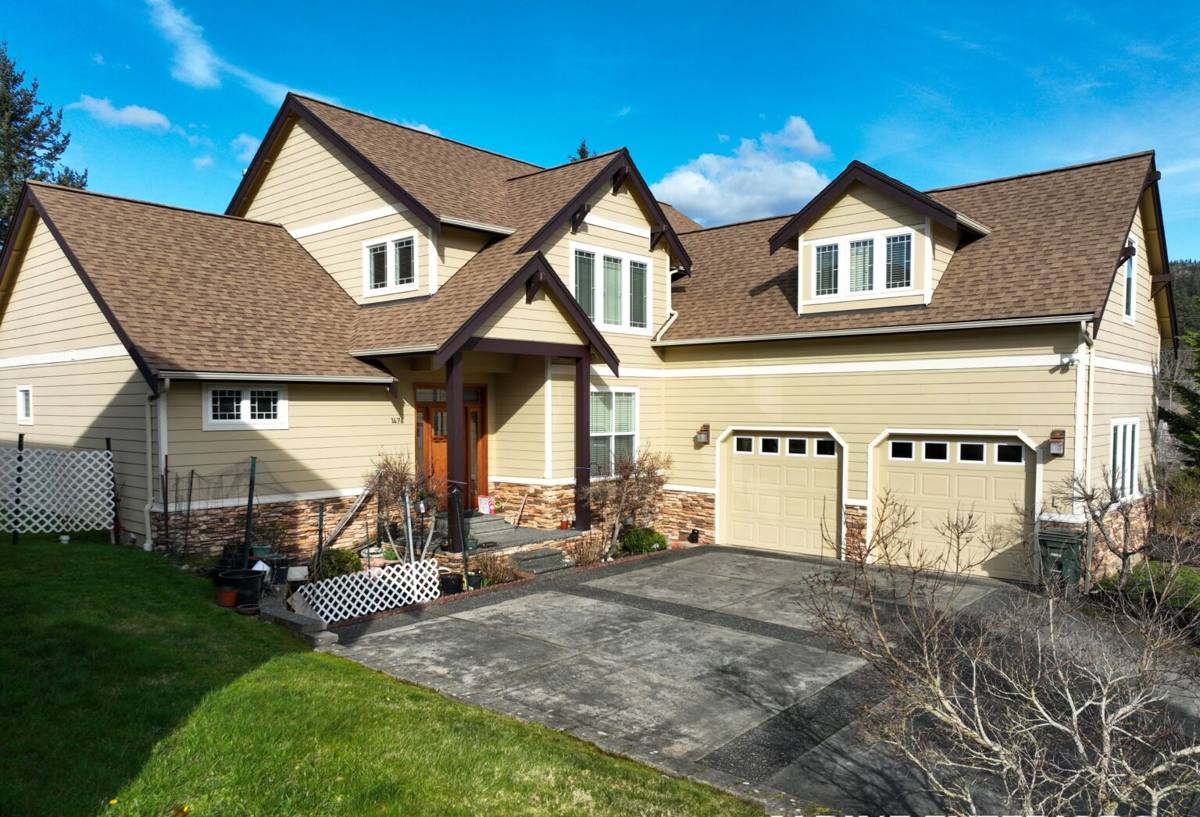
The Columbia neighborhood sits close enough to the water and to mature tree cover that its homes take a specific kind of weathering: salt-tinged air drifting off Bellingham Bay, wind-driven rain that hits window walls at an angle instead of straight down, and a wet season that stretches long enough for moss and algae to gain a foothold on anything that stays damp. None of that is dramatic on its own, but stacked together year after year, it's exactly the combination that finds every weak point in an aging window — soft glazing putty, a tired weep hole, a frame seal that's lost its flex, or single-pane glass that was never built to manage condensation in a marine climate to begin with.
Energy-efficient window replacement in this setting isn't just about lower heating bills, though that's real. It's about giving the house a window system whose materials, seals, and drainage are matched to Whatcom County's specific weather pattern rather than a generic "good windows" spec. That distinction is the difference between a window that performs for 20+ years here and one that starts showing seal failure or frame rot in half that time.
What Bellingham's Climate Actually Does to Windows
Salt Air and Metal Fatigue
Homes closer to the bay see airborne salt settle on exterior surfaces. Over time this accelerates corrosion on lower-grade aluminum hardware, screws, and cladding fasteners. It's rarely catastrophic in a single season, but it shortens the working life of hinges, locks, and balance systems on windows that weren't spec'd with coastal-grade hardware.
Driving Rain and Wind-Loaded Water
Bellingham rain is frequently pushed sideways by wind off the water, which means water hits window assemblies at the head, sill, and side jambs — not just the glass. A window that's watertight in a still, straight-down rain test can still leak here if its flashing details and sill pan weren't built for wind-loaded water intrusion.
Long Moss and Algae Season
The extended wet, mild stretch from fall through spring is prime growing conditions for moss and algae on anything that holds moisture — window sills, mullions, and the wood or composite trim around older frames. Once organic growth gets established in a seam or a checked wood surface, it holds moisture against the material and accelerates rot from the inside out.
Signs a Columbia Home's Windows Are Underperforming
- Visible condensation or fogging between panes — the seal on the insulated glass unit has failed
- Drafts you can feel with a hand near the sash, even with the window latched
- Soft or spongy wood at the sill or lower frame corners
- Green or black staining that returns within weeks of cleaning
- Difficulty opening, closing, or locking — a sign the frame has shifted or hardware has corroded
- Paint or finish that's peeling from the inside, which often points to trapped moisture, not just age
- Noticeably higher heating costs compared to similar-sized homes nearby
What a Correct Window Job Involves Here
It Starts With the Opening, Not the Window
Most window failures in this climate trace back to the rough opening and flashing, not the window unit itself. Before any new window goes in, we check the sill pan, the flashing sequence, and the condition of the framing behind the old unit. If there's hidden rot or a flashing detail that was never right, replacing the window without fixing that just repeats the same failure on a new schedule.
Frame and Glass Selection Matched to Exposure
Not every wall of a house sees the same weather. A window on the side that catches prevailing wind and rain off the bay deserves a different level of weather-sealing attention than one tucked under an eave on a protected side. We factor orientation and exposure into material and detailing choices rather than treating every opening identically.
Drainage That Actually Drains
Weep holes and drainage channels have to stay clear and sized correctly, or the window traps the very water it's designed to shed. This is a small detail that's easy to get wrong and is one of the most common reasons a technically "good" window still develops rot at the sill.
Sealing and Finishing for Long-Term Moss Resistance
Wherever wood trim or cladding meets the new window, we finish and seal those seams with the region's moss and algae pressure in mind — tight joints, proper caulking, and finishes that don't give organic growth an easy foothold.
Comparing Common Window Frame Materials for This Climate
| Frame Material | How It Handles Salt Air & Rain | Maintenance Load | Typical Fit for Columbia Homes |
|---|---|---|---|
| Vinyl (quality, welded corners) | Doesn't corrode; handles moisture well if properly installed | Low — occasional cleaning | Strong all-around choice for most homes |
| Fiberglass | Excellent — dimensionally stable, resists moisture and salt | Low | Good fit where budget allows, especially exposed elevations |
| Wood (clad exterior) | Good if the cladding and seals are intact; vulnerable if breached | Higher — finish and seal upkeep matter | Works for owners who want the interior wood look and will maintain it |
| Bare wood | Poor in sustained wet/salt exposure without diligent upkeep | High | We generally steer away from this for exposed elevations here — the maintenance burden is real |
| Aluminum (standard, non-thermally broken) | Conducts cold and can corrode near the bay without coastal-grade hardware | Moderate | Only recommended with a thermal break and coastal hardware spec |
None of these materials is automatically wrong — the right call depends on the specific wall's exposure, the home's style, and how much upkeep an owner wants to take on. We'll walk through the honest trade-offs for your home's actual conditions rather than pushing one product across the board.
Glass Packages Worth Understanding
Energy efficiency in a window comes down to the glass package as much as the frame. In a marine climate like Bellingham's, the priorities are slightly different than in a hot, dry climate:
- Double-pane with low-E coating — the practical baseline for most homes here; manages heat loss and some solar gain
- Argon or krypton gas fill — improves insulating performance between panes at a modest cost increase
- Warm-edge spacer systems — reduce condensation risk at the glass edge, which matters in our humid, cool winters
- Triple-pane — worth considering for north-facing or highly exposed rooms where comfort and noise are priorities, though it adds cost and weight
We size the glass package to the room and exposure rather than defaulting to the most expensive option everywhere — a guest bedroom on a sheltered wall doesn't need the same spec as a great room facing open water and wind.
Our Process for a Columbia Window Project
- On-site assessment — we inspect existing windows, framing, and any moisture or rot signs, and take note of each opening's exposure
- Honest scoping — we tell you which openings need full replacement, which need repair, and which are fine as-is
- Material and glass selection — matched to exposure, budget, and how the home is used
- Removal and opening inspection — old units come out carefully so we can check sill pans and framing before anything new goes in
- Correct flashing and sealing — sequenced properly so water sheds outward at every layer
- Installation and finish work — windows set plumb and square, trim and caulking finished to resist moss and moisture intrusion
- Final walkthrough — operation, sealing, and cleanup checked with you before we consider the job done
Why Local Experience in Columbia Matters
A crew that's already worked in Columbia and the surrounding Bellingham neighborhoods knows the specific weather patterns block by block — which elevations catch the worst of the wind-driven rain, how much salt exposure a given street sees, and how aggressively moss establishes on north-facing trim in this particular stretch of Whatcom County. That local knowledge shapes real decisions: which openings deserve extra flashing attention, which frame materials hold up best on an exposed elevation versus a sheltered one, and where corners genuinely can't be cut without shortening the life of the work. It also means we're not learning the region's failure patterns on your house — we've already seen how the ones from other jobs nearby held up or didn't, and we build accordingly.
Cost Factors to Expect
Every home is different, so we won't quote a number without seeing the openings, but the main factors that move a window project's cost are consistent:
- Number of openings and their sizes
- Frame material selected
- Glass package and any upgrades (triple-pane, extra low-E coatings)
- Condition of the existing framing and sill (hidden rot adds repair time)
- Whether it's a straightforward replacement or requires resizing/reframing an opening
- Access and site conditions, including how many stories and how exposed the elevation is
We'll break these out clearly in any estimate so you know what's driving the price, not just a lump-sum total.
If your Columbia home has windows showing drafts, condensation, staining, or just an aging feel, we're happy to take a look and give you a straight read on what's worth fixing now versus what can wait. Reach out for a free, no-pressure estimate using the form below.