 Bellingham Exterior
 South Hill: A Neighborhood That Wears Its Weather
South Hill sits above downtown Bellingham, close enough to Bellingham Bay to catch the salt-laden air coming off the water, and elevated enough to take the brunt of driving rain when a southwesterly system rolls through Whatcom County. Add in the mature tree canopy that shades much of the neighborhood, and you get a exterior environment that's tougher on homes than it looks from the street. Shade plus moisture plus salt air is exactly the combination that shortens the life of an exterior if it wasn't built, or installed, for the job.
We work on homes across Bellingham, but South Hill comes with its own particular set of pressures: older housing stock that's been through decades of Pacific Northwest winters, tree-covered lots that stay damp longer after a storm than open ground would, and a mix of architectural styles that all need to hold up to the same wet, salty, low-sun climate. This page covers how we approach siding, roofing, windows, and decks for homes in this part of the city, and why the details matter more here than they would somewhere drier.
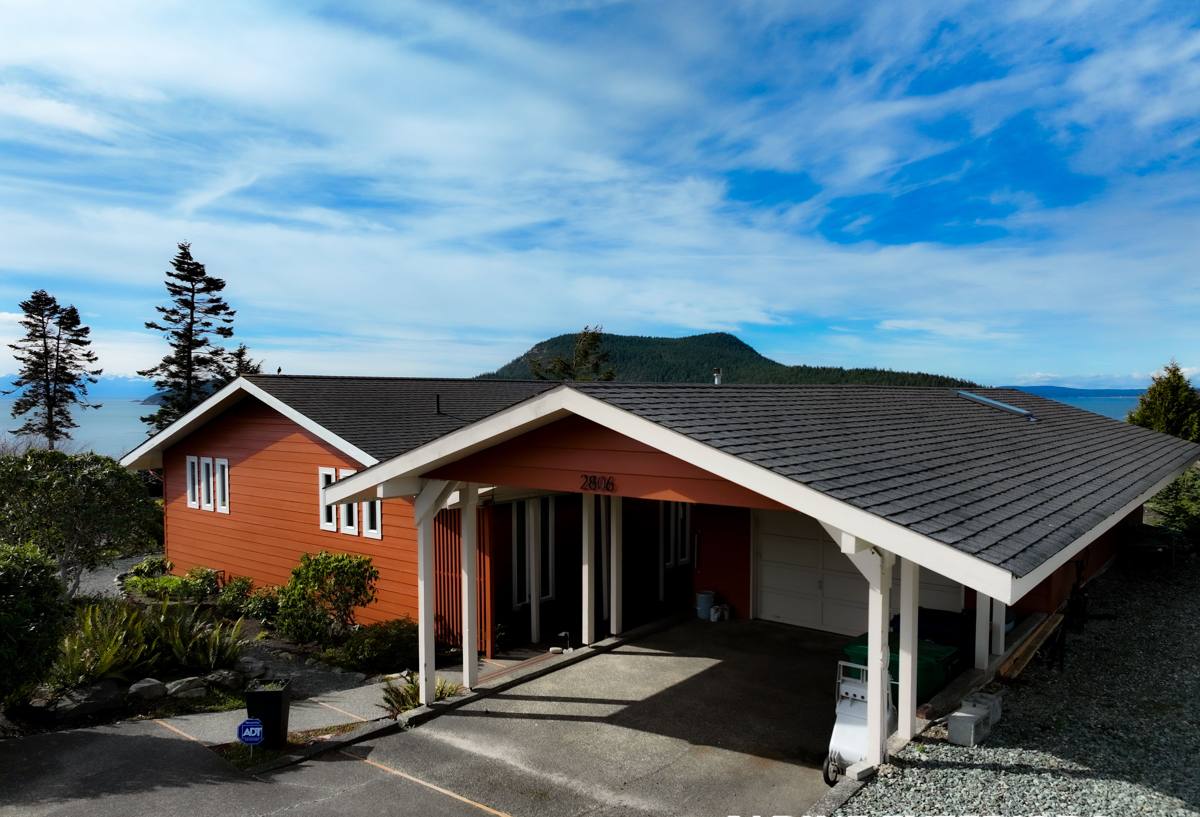
What the Climate Actually Does to a South Hill Exterior
Salt Air
Proximity to the bay means airborne salt settles on siding, trim, fasteners, and roofing year-round. Salt is corrosive to untreated metal and accelerates the breakdown of finishes that aren't built to resist it. Over years, this shows up as pitted or rusting fasteners, fading or chalking paint, and trim that fails faster than the manufacturer's warranty implies it should.
Driving Rain
Bellingham gets a lot of rain, but South Hill's elevation and exposure mean storms often arrive with real horizontal force. Driving rain doesn't just wet a surface — it drives water into laps, seams, and butt joints that would stay dry in a straight-down rain. Any exterior product or installation detail that's marginal on water management gets exposed here faster than in a sheltered low-lying lot.
Moss and Shade
The tree cover that makes South Hill a pleasant place to live also means a long moss season. Shaded roof planes, north-facing siding, and damp decks all stay wet longer after rain, which is exactly what moss, algae, and mildew need to take hold. Left unmanaged, moss holds moisture against a surface, and that constant dampness is what actually causes rot and material failure — the moss is a symptom, but it accelerates the underlying damage.
Siding: Why We Only Install James Hardie
We're a fiber cement contractor, full stop. We install James Hardie siding exclusively — we don't offer LP SmartSide, vinyl, Cemplank, Allura, primed spruce, or cedar. That's a deliberate standard, not a limitation of what we know how to install, and it matters most in an environment like South Hill's.
Non-Combustible and Moisture-Stable
James Hardie fiber cement is non-combustible and doesn't rely on a moisture-sensitive wood substrate the way engineered wood products do. In a neighborhood that stays damp longer than average because of tree shade, that's a meaningful difference in long-term performance, not a marketing point.
ColorPlus Factory Finish
Hardie's ColorPlus finish is baked on in a controlled factory environment rather than applied on-site, and it's engineered to hold color and resist the chalking and fading that salt air and UV exposure cause over time. That matters on a hill where siding is getting hit by both bay-borne salt and long summer sun exposure on south-facing walls.
Climate-Engineered HZ Product Lines
Hardie's HZ5 formulation is engineered for the freeze-thaw and moisture cycling common to the Pacific Northwest. It's not a generic product dropped into every market — it's built for the climate we actually have here in Whatcom County.
What We Tell Homeowners About Alternatives
We're honest about this: LP SmartSide, vinyl, and cedar all have legitimate use cases and loyal customers elsewhere. Our concern in this climate specifically is moisture behavior over a 20-plus-year timeline, maintenance burden in a shaded, damp neighborhood, and warranty structure. We'd rather turn down a job than install something we don't believe will hold up on a South Hill lot, and that's the standard we hold ourselves to.
Roofing for a Long Moss Season
Ventilation and Airflow
A roof that can't breathe traps moisture underneath the surface, which is a bigger long-term problem than moss on top of it. We check attic and roof ventilation as part of any roofing project, because proper airflow reduces the trapped moisture that feeds both moss growth and deck rot.
Flashing and Valleys
Driving rain finds its way into valleys, chimney flashing, and any transition point on a roof faster than it finds its way through a flat plane. These details get extra attention on South Hill jobs specifically because of the wind-driven rain this part of the city sees.
Moss Management
We don't oversell moss treatments as a cure-all. Zinc or copper strips near the ridge, periodic gentle cleaning, and keeping overhanging branches trimmed back all help, but the real fix is a roofing system installed with the right underlayment and ventilation from the start.
Windows: Keeping Driving Rain and Salt Air Out
Windows fail quietly. A poorly flashed window doesn't leak on day one — it leaks two or three winters in, after water has already worked its way behind the trim. On a hill exposed to horizontal rain, window flashing detail is not optional.
What We Look At
- Proper flashing integration with the water-resistive barrier behind the siding, not just caulk at the trim
- Sill pans that direct any water that does get past the seal back out, rather than into the wall cavity
- Corrosion-resistant fasteners and hardware, given the salt exposure this close to the bay
- Weep holes and drainage paths kept clear, especially on shaded elevations where debris and moss buildup is more common
Decks: Built for Wet, Shaded Conditions
Decks on South Hill lots often sit under partial tree cover, which means they dry more slowly than a deck in full sun. That slower drying time is the single biggest factor in how long a deck's structure and surface actually last.
Structural Framing
Ledger board attachment, proper flashing where the deck meets the house, and joist protection all matter more when a deck stays damp longer between rain events. We build to current code for structural connections and water management, not just to what's visible on the surface.
Surface Material Considerations
Whether a homeowner chooses wood or composite decking, the maintenance conversation is the same in a shaded, damp environment: more frequent cleaning, attention to any spots that stay wet longer than the rest of the deck, and keeping gaps between boards clear so water and debris don't sit and hold moisture.
Comparing Exterior Priorities in a Salt-Air, High-Moss Environment
| Exterior Component | Main Local Stress | What Matters Most in Installation |
|---|---|---|
| Siding | Salt exposure, prolonged dampness in shaded areas | Moisture-stable material, factory-cured finish, correct fastening and clearances |
| Roofing | Moss growth, driving rain at valleys and flashing | Ventilation, underlayment quality, flashing detail |
| Windows | Wind-driven rain intrusion | Flashing integration, sill pans, drainage paths |
| Decks | Slow drying under tree cover | Ledger flashing, joist protection, surface drainage |
Why a Local Crew Matters on South Hill
South Hill has an older, established housing stock, and homes here have often been added onto, re-roofed, or re-sided more than once over the decades. A crew that works across Bellingham and Whatcom County regularly sees what's underneath these older exteriors when they open a wall or tear off a roof — deferred maintenance, past shortcuts, or moisture damage that isn't visible from the curb. That experience shapes how we scope a job before we ever start it.
Local permitting knowledge matters too. The City of Bellingham has its own permitting requirements for exterior work, and a crew that pulls permits here regularly moves through that process faster and with fewer surprises than an out-of-town outfit unfamiliar with local requirements.
What to Expect Working With Us
- A walk-around assessment that looks at drainage, shading, and existing moisture damage, not just the surface material
- A written scope that specifies exactly which James Hardie product line and profile we're recommending, and why
- Attention to flashing, ventilation, and water-management details that matter more here than in a drier, more open part of the county
- Straight answers about maintenance expectations for a shaded, damp lot, before work starts, not after
Maintaining a South Hill Exterior Between Projects
Whatever stage your home's exterior is in, a few habits go a long way in this climate: keep gutters clear so water isn't overflowing onto siding and fascia, trim back branches that keep roof and deck surfaces shaded and damp, and have a roof and siding walk-around done every couple of years to catch small issues — a failing seal, a loose flashing detail — before they become bigger repairs. None of this replaces quality materials and correct installation, but it extends the life of whatever exterior a home already has.
If you're weighing a siding, roofing, window, or deck project on South Hill, we're happy to walk the property with you, look at what the climate has already done to your current exterior, and put together a straightforward, no-pressure estimate. There's a form below to get that conversation started.