 Bellingham Exterior
 Exterior Care for a Lake Whatcom Community
Sudden Valley sits in a different microclimate than a lot of Bellingham. Homes here are tucked into wooded lots around Lake Whatcom, with tree cover, lake humidity, and shade patterns that most in-town properties never deal with. That combination changes how an exterior ages. A house two miles away on an open, sunny lot can go years without a moss problem that a lake-facing home here develops in a single wet winter.
We work throughout Whatcom County, and Sudden Valley is a regular stop for us. The siding, roofing, window, and deck decisions that make sense here aren't identical to what we'd recommend downtown or out on the flats — the lake, the tree canopy, and the terrain all factor in.
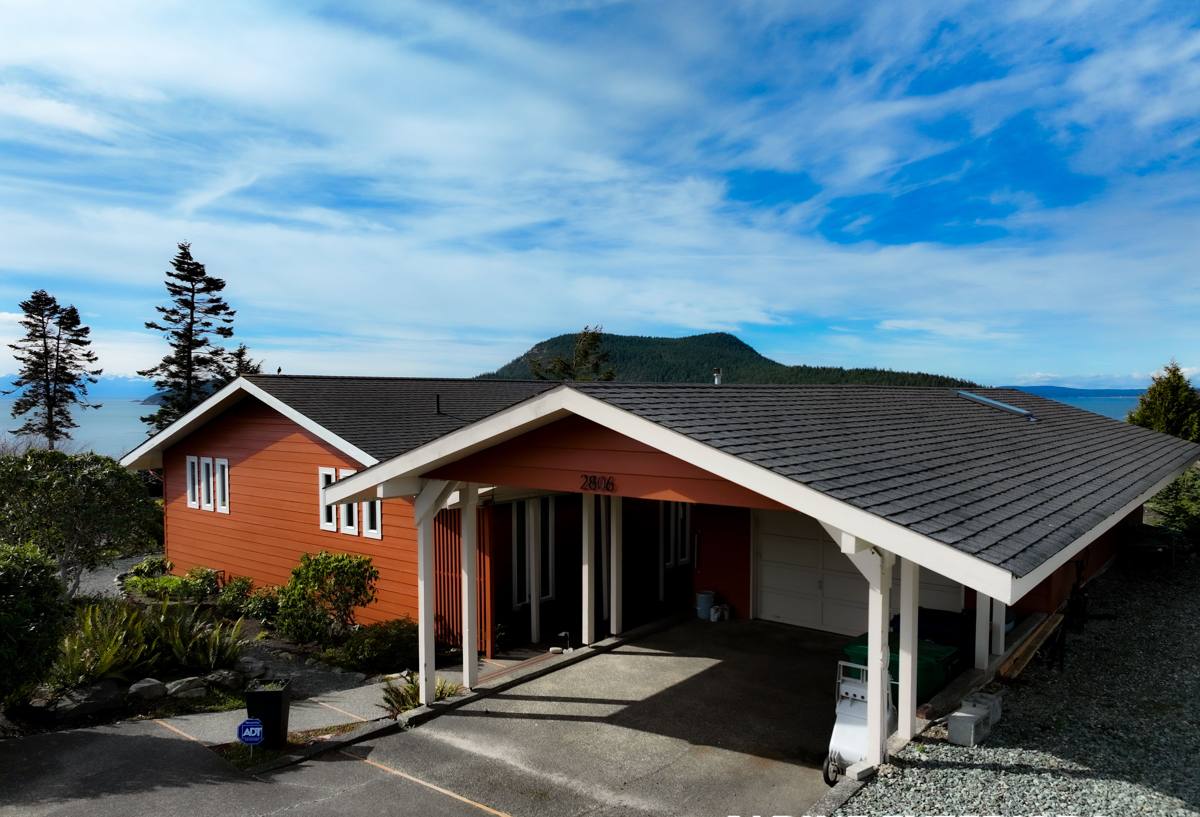
What the Climate Actually Does to a Sudden Valley Home
Shade and Slow-Drying Surfaces
Mature trees are part of why people love living at the lake, but they also mean large sections of siding, trim, and roofing on many lots almost never see direct sun. Surfaces that stay damp longer are surfaces where moss, algae, and mildew get a head start — and once moss takes hold on a roof or along the bottom courses of siding, it holds moisture against the material instead of letting it shed.
A Long, Wet Moss Season
Whatcom County's fall-through-spring stretch is long and damp, and shaded, lake-adjacent lots extend that window further. Moss doesn't just look bad — on a roof, it can lift shingle edges and channel water sideways under the roofing; on siding, it holds grime and moisture against seams, fasteners, and caulk lines that are supposed to stay dry.
Driving Rain and Wind Off the Water
Open water creates its own wind patterns, and storms crossing the lake can drive rain sideways into siding and window assemblies that a more sheltered home wouldn't take on directly. Combined with the regional marine climate that pushes damp, salt-tinged air across this part of Whatcom County through much of the year, exterior materials here are working harder than the label on the box usually assumes.
Siding: Why We Standardized on James Hardie
We install James Hardie fiber cement siding exclusively — no vinyl, no LP SmartSide, no Cemplank, no Allura, no primed spruce or cedar. That's a deliberate call, not a default, and in a moss-and-moisture setting like Sudden Valley the reasoning matters more than usual.
What Moisture-Prone Siding Materials Struggle With
- Vinyl can warp or bow with sustained moisture and temperature swings, and it doesn't hold paint if a homeowner ever wants to change the color.
- LP SmartSide and other engineered wood products are wood-based — well made, but wood-based siding depends on cut edges, seams, and caulking staying sealed. In a shaded, slow-drying setting, any gap in that seal is a standing invitation for rot.
- Primed spruce or cedar looks great new, but raw wood siding needs a repaint cycle to keep water out, and repainting a lake-shaded, moss-prone home more often is a real ongoing cost, not a one-time decision.
None of these are bad products when installed and maintained correctly. But we're the ones who get the call when moisture finds its way in, and after years of doing exterior work in this exact climate, fiber cement is what we're willing to put our name on.
Why Fiber Cement Fits This Climate
James Hardie siding is non-combustible fiber cement, not wood or vinyl, so it doesn't rot, doesn't swell with moisture, and doesn't feed mold or algae the way organic materials can. Hardie's HZ5 product line is engineered for wetter, harsher climates like ours in the Pacific Northwest. The factory-applied ColorPlus finish is baked on before the boards ever leave the plant, which means the color coat is more consistent and better bonded than a field-applied paint job — a real advantage on a shaded property where a painted surface would stay damp longer between dry spells.
| Siding Material | Moisture Behavior | Maintenance in Shade | Typical Concern at the Lake |
|---|---|---|---|
| James Hardie fiber cement | Does not rot or absorb water like wood | Occasional wash; factory finish holds up | Correct installation and flashing at seams |
| Vinyl | Can warp/bow with heat and moisture cycling | Low, but color can't be changed | Impact and UV wear over time |
| LP SmartSide / engineered wood | Depends on sealed edges and caulk | Regular caulk and seam checks | Rot at unsealed cuts or gaps |
| Primed spruce / cedar | Absorbs moisture without a sound paint film | Repaint cycle required | Moss and mildew holding moisture against wood |
Roofing in a Wooded, Lakeside Setting
Roofs under tree cover carry the heaviest moss burden on the property, and moss is the single biggest thing we see shortening roof life around the lake. A roof that's regularly treated and kept clear of moss and debris will simply outlast one that isn't — the underlayment and shingles stay doing their actual job instead of fighting standing moisture. When we're on a roof in Sudden Valley, we're checking valleys, flashing, and any spot where tree debris collects, since those are the places driving rain and moss combine to cause the most damage.
Gutters matter just as much as the roofing itself here. Overhanging trees mean more debris load, and a gutter system that backs up during a heavy lake storm can send water behind fascia and siding instead of off the roof where it belongs.
Windows: Condensation, Comfort, and Curb Appeal
Lake-adjacent air holds more humidity, and older or poorly sealed windows show it — condensation between panes, foggy glass, and drafts that get worse through a damp Whatcom County winter. Replacing failing windows isn't just about the view of the lake; it's about cutting the moisture and air infiltration that put extra load on the rest of the exterior. We look at window flashing and integration with the siding at the same time, since a window opening that isn't properly flashed is one of the most common places we find hidden moisture damage during a siding tear-off.
Decks Above the Water
Decks in Sudden Valley take on a lot: lake humidity from below, shade from above, and often a slope that puts the structure closer to grade moisture than a typical in-town deck. Framing, fasteners, and ledger connections need to be rated for sustained damp exposure, not just weather-resistant in the general sense. We pay close attention to ventilation underneath the deck and proper flashing where it meets the house — those two details do more to prevent rot than the decking material choice itself.
Why a Local Crew Matters Here
A crew that only works in dry, open subdivisions doesn't necessarily know how differently a shaded lake lot behaves. We've done exterior work across Whatcom County long enough to know that Sudden Valley's moss season starts earlier, runs longer, and hits north-facing and tree-covered walls hardest — and that changes where we focus attention on a given home, from roof valleys to the lower courses of siding closest to grade.
Being local also means we're not guessing at code requirements, permitting, or what a Whatcom County inspector expects to see. That's routine knowledge for a crew based here, not something learned on the fly.
A Simple Seasonal Checklist for Sudden Valley Homeowners
- Walk the property twice a year and look for moss or dark streaking on the roof and lower siding courses.
- Check gutters after fall storms — tree debris backs them up faster here than in open areas.
- Look for soft spots, bubbling paint, or gaps at caulk lines on wood or engineered wood siding.
- Watch for condensation or fogging between window panes as a sign seals are failing.
- Inspect deck ledger boards and under-deck framing for staining or softness, especially on shaded decks.
- Address moss early — a light annual treatment is far cheaper than replacing a moss-damaged roof section or siding panel.
What to Expect From an Estimate
When we walk a Sudden Valley property, we're looking at sun exposure, tree cover, roof valleys, grade slope near decks, and how the home has handled moisture so far — not just measuring square footage. That's what lets us give a straight answer on what actually needs attention now versus what can wait.
If you'd like a second set of eyes on your roof, siding, windows, or deck, we're happy to walk the property and give you an honest, no-pressure estimate — just fill out the form below.