 Bellingham Exterior
 Exterior Work in Barkley, Bellingham
Barkley is one of Bellingham's more established planned neighborhoods, with a mix of homes built over the past few decades sitting close enough to Bellingham Bay to catch the same weather patterns that define exterior wear across Whatcom County. If you own a home in Barkley, you already know the drill: gray, wet stretches from fall through spring, humid summers that don't dry things out as fast as you'd like, and a north Puget Sound air quality that carries more moisture and salt than most siding, roofing, and trim products were originally designed to handle.
We're an exteriors contractor based here in Bellingham, and Barkley is well within our regular service area. We handle siding, roofing, windows, and decks, and we do it with an eye toward what actually holds up in this specific climate rather than what looks fine on a spec sheet from a drier region.
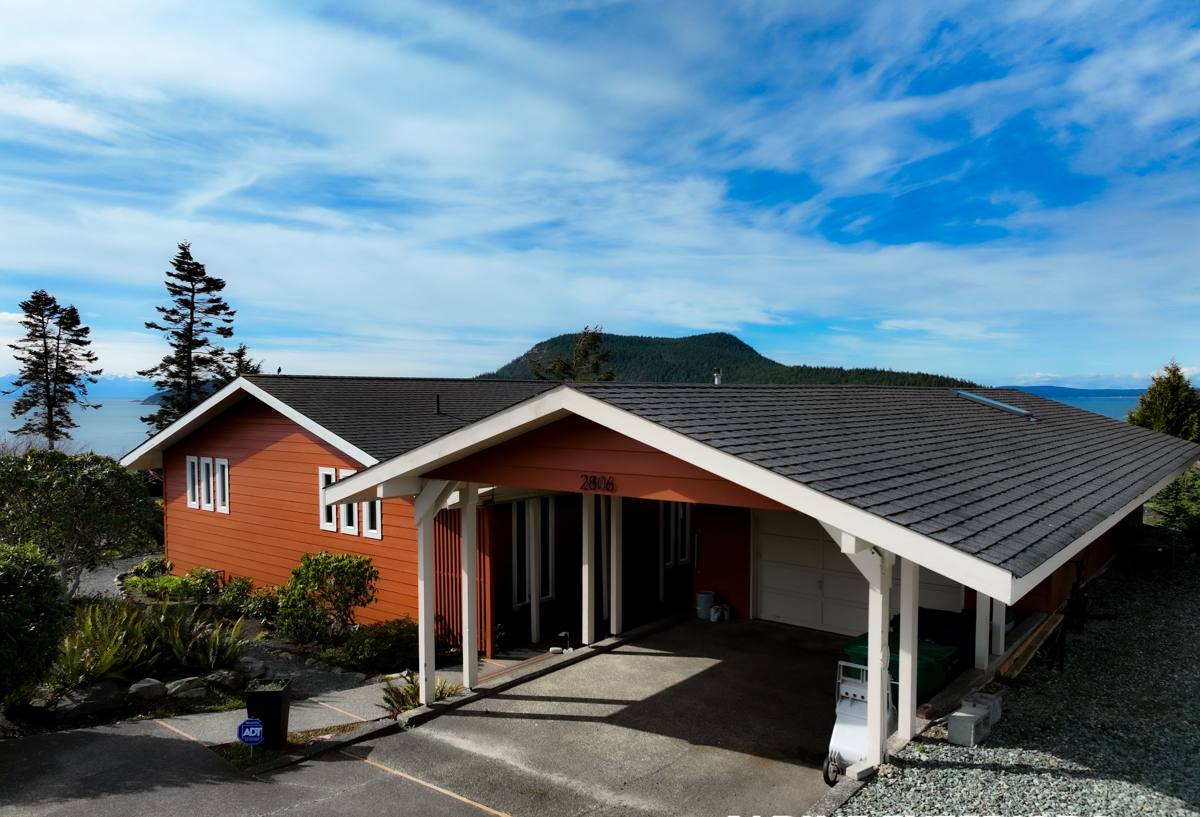
What the Climate Actually Does to a Barkley Home
Three things drive most of the exterior deterioration we see on Bellingham homes, Barkley included:
Salt air
Proximity to Bellingham Bay means airborne salt is a real factor, even a few miles inland. Salt-laden moisture accelerates corrosion on fasteners, flashing, and any metal components on a roof or siding system. It also speeds up the breakdown of lower-grade caulks and sealants at joints and trim.
Driving rain
Whatcom County doesn't just get a lot of rain — a good portion of it comes in sideways during fall and winter storms. That matters more than total rainfall totals suggest, because wind-driven rain finds its way behind poorly lapped siding, under-flashed windows, and any gaps in a roof system that would stay dry in a calmer climate.
Moss and prolonged dampness
Long stretches of overcast, damp weather mean surfaces here rarely get a hard, fast dry-out. That's exactly the environment moss and algae need to establish themselves on roofing, decking, and north-facing siding. Once moss takes hold, it holds moisture against the surface underneath it, which is where the real damage — rot, delamination, coating failure — starts.
Siding: Why We Only Install James Hardie
We install James Hardie fiber cement siding exclusively. We don't install vinyl, LP SmartSide, Cemplank, Allura, or primed wood siding like spruce or cedar, and that's a deliberate standard, not a lack of options.
In a climate like Barkley's, siding has one job above all others: keep moisture out of the wall assembly for decades without babysitting. Wood-based siding products — including engineered wood like LP SmartSide — rely on factory treatments and field-applied paint or sealant to resist moisture, and any breach in that coating (a nail pop, a scuff, an unsealed cut edge) gives water a path into the substrate. In a region with our rain volume and duration, that's a maintenance commitment we don't think most homeowners are signing up for when they choose a lower up-front cost.
Vinyl siding is low-maintenance in a different sense — it doesn't rot — but it's a thin plastic product that can warp, fade, and crack over time, and it's not fire-resistant. James Hardie fiber cement is cement, sand, and cellulose fiber. It doesn't absorb water the way wood-based products do, it's non-combustible, and it holds its factory-applied ColorPlus finish far longer than field-painted alternatives, which matters when you're dealing with a climate that fades and streaks coatings faster than drier regions.
HZ5 and climate-matched product lines
James Hardie engineers specific product formulations for different climate zones. The HZ5 line is built for wetter, colder regions like ours, with a moisture and freeze-thaw profile suited to the Pacific Northwest rather than a generic national spec. That's a meaningful difference from a one-size-fits-all siding product.
Warranty structure
Hardie backs its siding with a long, transferable limited warranty on the product itself and a separate finish warranty on ColorPlus color. A transferable warranty is worth something concrete if you sell the home — it's one less thing a buyer's inspector can flag.
Roofing in a Moss-Prone Climate
Roofing in Barkley has to deal with the same driving rain and moss pressure as siding, but with the added stakes of a failure point directly above the living space. A few things matter more here than in drier climates:
- Proper underlayment and ice-and-water shield at valleys, eaves, and penetrations — the parts of a roof most exposed to wind-driven rain
- Ventilation that actually moves moist attic air out, reducing condensation that can rot sheathing from the inside
- Flashing details around chimneys, skylights, and dormers, which is where the majority of Northwest roof leaks originate
- Moss management — keeping growth from establishing itself, since removing established moss without damaging the roofing material is far harder than preventing it
We evaluate roofs in Barkley with those pressure points specifically in mind, not a generic checklist built for a different climate.
Windows: Condensation, Drafts, and Water Intrusion
Older or lower-grade windows in a Bellingham home tend to show their age through fogging between panes, visible condensation, and drafts that get noticeably worse in a west or south wind during a winter storm. Beyond comfort and energy cost, failing window seals and poor flashing at the window opening are a common source of hidden water damage to the wall framing around the window — often discovered only when siding comes off for a replacement project.
When we replace windows, we pay close attention to flashing and integration with the surrounding wall assembly, not just the window unit itself. A well-installed window with mediocre flashing will still leak; the installation detail matters as much as the product.
Decks: The Component That Takes the Most Direct Abuse
Decks in this climate sit exposed to rain, standing moisture, and moss more than almost any other part of a home's exterior. Ledger board attachment, proper flashing where the deck meets the house, and drainage under and around the structure are the details that determine whether a deck lasts or starts showing soft spots and rot within a handful of years. Material choice matters too — some decking products handle sustained Northwest dampness better than others, and we'll walk through the realistic trade-offs for your situation rather than push one option.
Why a Local Crew Matters
A crew that works Whatcom County exteriors year-round knows which details actually matter here — where wind-driven rain typically finds gaps, which north-facing walls need extra attention for moss, and how local permitting and inspection processes work in Bellingham. That's different from a crew that mostly works drier inland climates and treats a Barkley job the same as one in a different region. We're not commuting in from out of the area to work on your home; this is the climate we build for every day.
What Affects the Cost of an Exterior Project
| Factor | Why It Matters |
|---|---|
| Home size and wall/roof complexity | More corners, valleys, and dormers mean more flashing detail and labor |
| Existing damage or rot | Hidden moisture damage found during tear-off adds repair scope |
| Siding profile and trim detail | Lap width, board-and-batten accents, and trim complexity affect material and labor |
| Roof pitch and access | Steeper or harder-to-access roofs take longer and require more safety setup |
| Window count and type | Full-frame replacement costs more than insert replacement but corrects flashing issues |
| Deck size and structural condition | Ledger and framing repairs can add cost beyond surface decking replacement |
We give straight, itemized estimates so you can see exactly what's driving the number, rather than a single lump sum with no explanation.
Signs Your Barkley Home's Exterior Needs Attention
- Moss or dark streaking building up on siding, roofing, or decking, especially on north-facing surfaces
- Soft spots, bubbling, or visible warping in siding boards or trim
- Fogging or condensation between window panes
- Noticeable drafts near windows during wind-driven storms
- Missing, cracked, or curling roof shingles, or granule buildup in gutters
- Soft or spongy decking, especially near the ledger board where the deck meets the house
- Peeling or chalking paint on wood-based siding or trim
Catching these early usually means a smaller, less expensive fix. Left alone through another wet Bellingham winter, most of them get worse, not better.
Ready to Talk About Your Home in Barkley
Every Barkley home is different, and the right approach depends on your home's age, orientation, and current condition. We're happy to come take a look, walk you through what we're seeing, and give you a straightforward, no-pressure estimate — use the form below to get started.