 Bellingham Exterior
 Exterior Work in Sunnyland
Sunnyland sits close enough to Bellingham Bay that its homes catch the same weather pattern the whole waterfront side of the city deals with: damp air moving in off the water, wind-driven rain through the fall and winter, and long stretches of gray, low-light days that keep everything from drying out quickly. It's a mixed neighborhood — older bungalows and cottages next to newer infill construction — and we see the same handful of exterior problems show up again and again regardless of the home's age, because the climate treats every house the same way.
We're a Bellingham-based exterior contractor working in siding, roofing, windows, and decks. This page is about what Sunnyland homes specifically deal with and how we approach that work, not a generic sales pitch. If you live in the neighborhood, most of this will sound familiar.
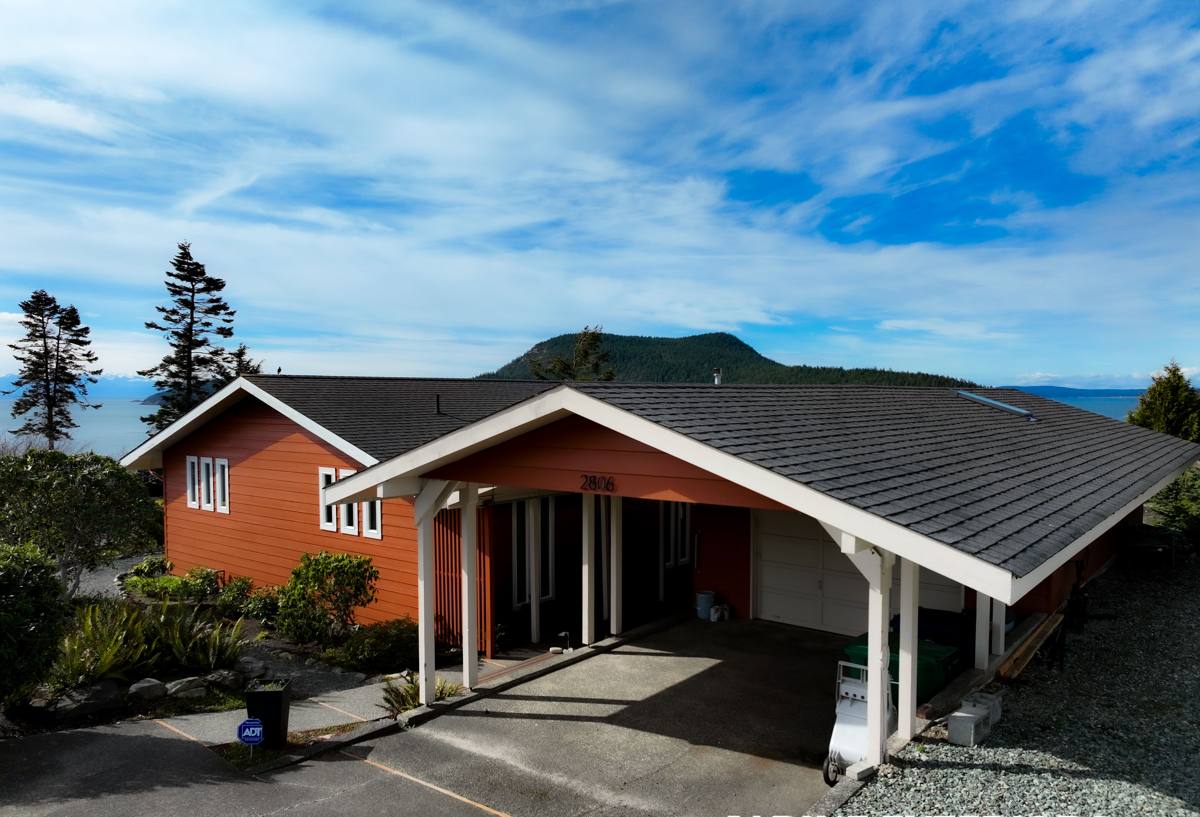
Salt Air, Driving Rain, and a Long Moss Season
Three things define exterior wear here, and they compound each other rather than acting alone.
Salt Air
Proximity to the bay means a steady low dose of salt-laden moisture in the air, even on days without rain. Salt air accelerates corrosion on fasteners, flashing, and metal trim, and it's part of why coastal Whatcom County homes tend to show exterior wear faster than similar homes twenty or thirty miles inland.
Driving Rain
Bellingham doesn't get the heaviest annual rainfall in the state, but a lot of what falls here arrives sideways, pushed by wind off the water. Wind-driven rain finds gaps that vertical rain never would — under-lapped siding joints, poorly sealed window flanges, deck ledger connections — and it's a much better test of an installation than a calm downpour.
Moss Season
Between the marine cloud cover, the tree canopy common in older Bellingham neighborhoods, and the number of months where surfaces simply don't get enough sun to dry, moss and algae growth on roofs, siding, and decking is close to a year-round condition rather than a seasonal one. Moss holds moisture against the surface it's growing on, which is the real damage — not the moss itself, but what it traps underneath it.
None of this is unique to Sunnyland — it's the reality for most of Whatcom County's coastal side. But it's worth naming specifically, because it should shape material choices, not just maintenance habits.
Siding: Why We Only Install James Hardie
We install James Hardie fiber cement siding exclusively. We don't install vinyl, LP SmartSide, Cemplank, Allura, or primed wood species like spruce or cedar. That's a deliberate standard, not a limitation of what we're capable of installing, and in a climate like this one it comes down to how each material actually behaves over a couple of decades of Bellingham weather rather than how it performs on a spec sheet.
Vinyl siding is affordable and low-maintenance in the sense that it doesn't need painting, but it's a thin material that can warp or become brittle over time, and its seams and J-channels give wind-driven rain more opportunities to work behind the surface. Engineered wood products like LP SmartSide use a wood-strand core that performs well when installation and maintenance are followed exactly, but wood-based products are inherently more sensitive to sustained moisture exposure than a cement-based product — and sustained moisture exposure is exactly what this neighborhood gets. Primed cedar or spruce siding needs disciplined recoating on a schedule that's easy to fall behind on, and once a coating gap lets moisture in, wood siding doesn't forgive it the way fiber cement does.
James Hardie's siding is a cement-based composite, which means it doesn't feed mold or rot the way wood-based products can, and it holds up to sustained damp exposure without the swelling or delamination risk that comes with wood fiber content. The ColorPlus factory finish is baked on and warranted separately from the panel itself, which matters here specifically because repainting siding on a home exposed to salt air and heavy moss growth is a job most homeowners would rather not repeat every several years. It's also non-combustible, which is a real advantage during Washington's wildfire-smoke seasons even on the wetter west side of the state.
| Material | Moisture behavior | Maintenance in this climate | Finish durability |
|---|---|---|---|
| James Hardie fiber cement | Cement-based, does not feed rot or mold, stable under sustained damp exposure | Low — occasional wash, no recoating on the ColorPlus finish | Factory-baked finish, separately warranted |
| Vinyl | Sheds water but seams and channels give wind-driven rain entry points; can warp with age | Low labor, but limited repair options once damaged | Color is through-body but fades and can chalk over time |
| Engineered wood (e.g. LP SmartSide) | Wood-strand core, sensitive to prolonged moisture if coating or caulking lapses | Moderate — coating and joint maintenance need to stay current | Factory or field-applied finish depending on product |
| Primed cedar/spruce | Natural wood, most sensitive to sustained damp exposure of the group | Highest — repainting on a defined schedule is not optional | Field-applied, wears fastest of the group |
Roofing in a Marine Climate
Roofs in Sunnyland deal with the same moss pressure as siding, plus the added stress of standing water risk in low-slope areas and salt exposure on any exposed metal — flashing, vents, gutters. A few things matter more here than they would in a drier inland climate:
- Flashing details at valleys, chimneys, and wall intersections need to be installed to shed wind-driven rain, not just vertical rain
- Ventilation matters as much as the roofing material itself — poor attic ventilation traps moisture that condenses and causes problems from the inside out
- Gutter systems need to actually keep up with heavy rain events, not just handle average flow
- Moss treatment and removal should happen before growth gets thick enough to hold water against the roofing material
We evaluate roofs with this climate in mind rather than applying a generic checklist, and we'll tell you honestly if a roof still has useful life left rather than pushing a replacement it doesn't need.
Windows: Where Air and Water Meet
Window failures in coastal Whatcom County homes are rarely about the glass itself — they're almost always about the seal between the window and the wall. Wind-driven rain tests flashing and flange details in a way that calmer climates don't, and a window installed without proper flashing integration into the water-resistive barrier can leak years before anyone notices, because the damage happens inside the wall cavity first. When we replace windows, the flashing and integration work matters as much as the window unit itself, and it's worth asking any contractor how they handle that detail specifically.
Decks: Built for the Wet Season, Not Just the Dry One
A lot of deck problems in this area trace back to design decisions made for a sunny day rather than the six or seven months of the year that actually define the climate here. Ledger board attachment and flashing, gaps between decking boards for drainage and airflow, and joist protection all matter more in a climate where the structure spends most of the year damp than they would somewhere drier. Moss and algae on deck surfaces aren't just cosmetic — they hold moisture against the boards and make the surface slippery, which is a real safety issue on stairs and landings.
Why a Local Crew Matters Here
Bellingham's coastal neighborhoods don't behave like the rest of Washington, and they don't behave like each other uniformly either — a home a few blocks from the water deals with somewhat different exposure than one further up the hill. A crew that works in Whatcom County regularly knows what to check for in this specific microclimate: where moss tends to build up fastest, which details fail first under wind-driven rain, and what installation practices actually hold up here versus what looks fine on paper. That local pattern recognition is hard to substitute with a generic checklist, and it's part of what we bring to every job in Sunnyland and the surrounding Bellingham neighborhoods.
What We Look For on an Exterior Walk-Through
When we come out for a free estimate, we're looking at more than just the surface you called us about. A typical exterior assessment covers:
- Siding condition at seams, corners, and near ground contact where moisture collects
- Moss and algae buildup on roofing, siding, and decking, and what it's telling us about drying time and shade exposure
- Flashing condition at windows, roof valleys, chimneys, and deck ledgers
- Gutter function and whether water is actually being carried away from the foundation and siding
- Any signs of trapped moisture — soft spots, staining, or paint failure that points to a problem behind the surface
- Overall sun and shade exposure, which affects how fast every surface on the home dries out after rain
Getting Started
If you're noticing moss buildup, a stretch of siding that's staying damp longer than it should, a roof that needs a second opinion, or windows that let in more draft or moisture than they used to, we're happy to take a look. We offer free, no-pressure estimates for siding, roofing, window, and deck work throughout Sunnyland and the rest of Bellingham — fill out the form below and we'll get in touch to schedule a walk-through.