 Bellingham Exterior
 Roofing South Hill's Older, Tree-Shaded Homes
South Hill is one of Bellingham's oldest and most established neighborhoods, and that shows in its roofs. Many homes here were built well before today's ventilation codes, underlayment standards, and ice-and-water shield requirements existed. Add in the neighborhood's mature fir and cedar canopy, its steep, view-oriented lots, and its closeness to Bellingham Bay, and you get a set of roofing conditions that a generic "install a roof anywhere in Whatcom County" approach doesn't fully address. A new roof on a South Hill home has to account for shade, slope, and salt air all at once — not just one of the three.
We're a Bellingham-based crew that works this hill regularly, so we're not learning the neighborhood's quirks on your job. We already know which streets hold moss longer than others, which roof lines catch the most wind-driven rain off the bay, and where a steep driveway or tight lot means we plan staging and material drops differently than we would on a flat property across town.
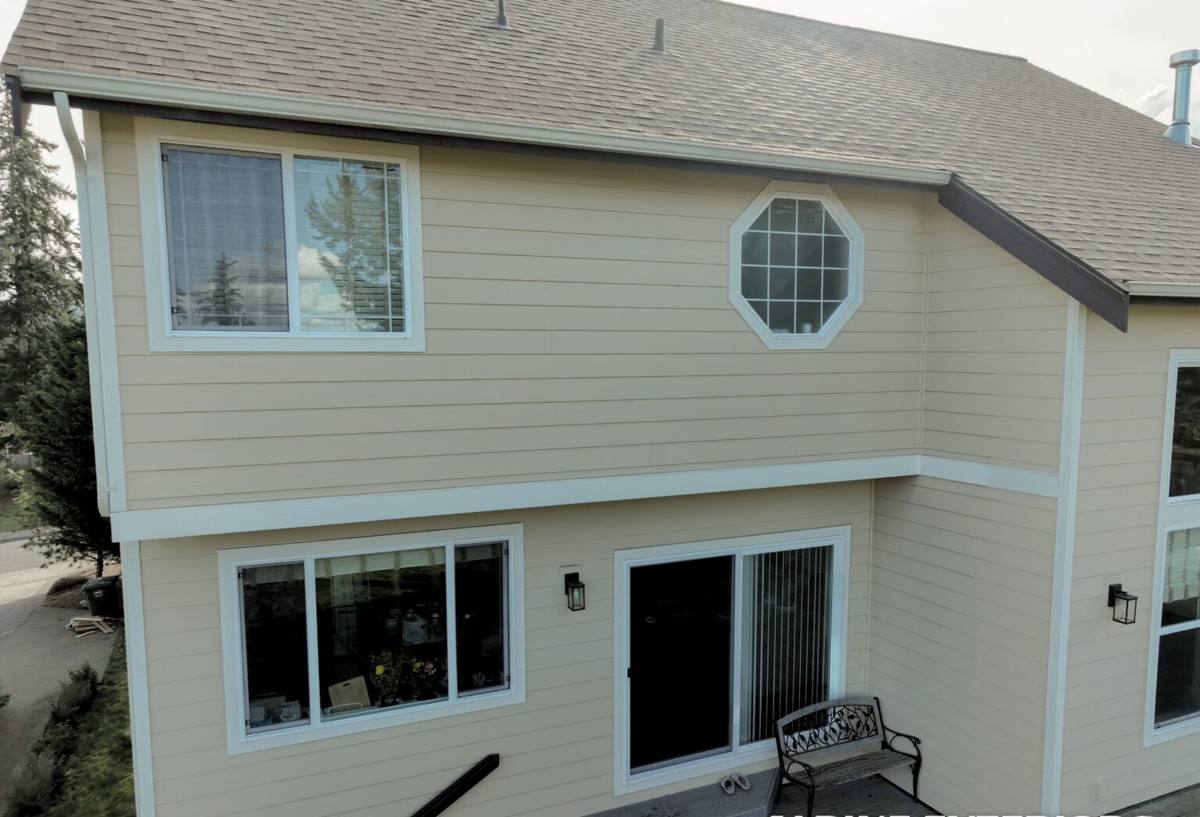
What Bellingham's Climate Does to a South Hill Roof
Whatcom County's climate is mild, but "mild" doesn't mean easy on a roof. Three things drive most of the roofing problems we see on South Hill specifically:
Salt Air and Moisture
Proximity to Bellingham Bay means airborne salt and near-constant humidity. Metal fasteners, flashing, and vents that aren't rated for coastal exposure corrode faster here than they would inland. This matters more on South Hill than on some other parts of town simply because of elevation and wind exposure on the hill's westward-facing slopes.
Driving Rain
Wind off the water doesn't just drop rain straight down — it pushes it sideways, up under shingle tabs and into places a roof designed for calmer weather was never meant to handle. Flashing details around chimneys, dormers, and roof-to-wall intersections take the brunt of this, and they're the most common source of leaks we find on older South Hill homes.
A Long Moss Season
The tree cover that gives South Hill its shaded, established feel also means many roofs here stay damp longer after every rain and get less direct sun to dry out. Moss and algae take hold faster and grow more aggressively as a result, and unlike a quick surface cleaning, established moss growth works its way under shingle edges and holds moisture against the roof deck for months at a time.
Signs a South Hill Roof Needs Full Replacement (Not a Patch)
- Shingles that are cupping, cracking, or losing granules in large patches rather than one isolated area
- Moss or algae staining that returns within a season or two of cleaning
- Daylight visible through the attic decking, or damp insulation after a wind-driven rain
- Multiple layers of old roofing already on the house (common on older South Hill homes) with no room left for another overlay
- Flashing that's rusted, lifting, or was never properly integrated at chimneys, skylights, or wall intersections
- A roof already past 20-25 years old, regardless of how it looks from the ground
If you're only seeing one or two of these, a repair may still make sense. If you're seeing several at once, or the roof is old enough that repairs are becoming a recurring expense, replacement is usually the more honest recommendation — and we'll tell you that directly instead of stringing along patch work.
What a Correct New Roof Installation Involves
A new roof is more than laying down new shingles. On a South Hill property, the details below are where the job either holds up for decades or starts leaking within a few years:
Tear-Off and Deck Inspection
We remove the old roofing down to the deck rather than installing over it. This is the only way to actually see the condition of the sheathing underneath — soft, rotted, or delaminated decking is common under older roofs in shaded, moisture-prone areas like South Hill, and it has to be replaced before anything new goes down.
Ice-and-Water Shield and Underlayment
Given the driving rain this area sees, we pay close attention to underlayment coverage at eaves, valleys, and any roof-to-wall transitions — the areas most exposed to wind-blown moisture. This is one of the most common things missing or under-installed on older South Hill roofs we've replaced.
Flashing at Every Penetration
Chimneys, skylights, vents, and dormers all need properly formed and integrated flashing, not just caulk. Caulk is a maintenance item, not a waterproofing strategy, and it's usually the first thing to fail on a roof that's leaking two or three years after installation.
Ventilation Sized for Shade and Moisture
Homes under heavy tree cover hold moisture in the attic longer than homes in full sun. We size and place intake and exhaust ventilation to actually move air through the attic space, which helps the underside of the new roof deck dry out between rain events instead of staying damp.
Material Selection for Coastal, Shaded Conditions
We recommend fasteners, flashing metals, and shingle products rated for coastal humidity and salt exposure, and we favor products with proven algae- and moss-resistance for shaded lots rather than standard-grade shingles that will stain and hold moss within a couple of seasons.
Cost Factors for a South Hill Roof Replacement
Every roof is priced individually after we've actually walked it, but the factors below are what typically move the price on this specific part of Bellingham:
| Factor | Why It Matters on South Hill |
|---|---|
| Roof pitch and access | Steep slopes and hillside lots often mean more time on staging, safety setup, and material handling |
| Number of roof layers to remove | Older homes here sometimes have more than one layer of existing roofing to tear off |
| Deck repair needed | Shaded, moisture-prone lots increase the odds of finding soft or rotted sheathing once we open the roof up |
| Number of penetrations | Chimneys, skylights, and multiple roof planes each need their own flashing work |
| Material grade chosen | Algae-resistant and coastal-rated products cost more upfront but hold up longer in this climate |
| Driveway and staging access | Tight or steep driveways can affect how efficiently we can stage a dumpster and material delivery |
Our Process on a South Hill Roof Replacement
- On-site inspection: We walk the roof and attic in person, not just from the ground, to assess deck condition, ventilation, and flashing before quoting anything.
- Written estimate: A clear scope of work and price, including what we found and why we're recommending it, before any work starts.
- Material selection: We walk you through options suited to this climate and your home's exposure, with honest trade-offs on cost versus longevity.
- Site protection: Landscaping, siding, and windows are protected before tear-off begins, especially important on tighter South Hill lots.
- Tear-off and deck repair: Old roofing removed, deck inspected, and any damaged sheathing replaced before anything new goes down.
- Underlayment, flashing, and roofing installation: Installed to manufacturer specification, with extra attention at the wind- and rain-exposed details specific to this area.
- Final walkthrough: We review the finished roof with you, including ventilation and any warranty paperwork, before considering the job complete.
Why a South Hill-Familiar Crew Matters
A roofing crew that only occasionally works this part of Bellingham has to relearn its conditions on your dime — figuring out on the fly how much moss buildup to expect, how the tree canopy affects drying time, or how a steep lot changes staging and safety planning. We work South Hill often enough that this planning is already built into how we quote and schedule the job, which typically means fewer surprises once tear-off starts and a more accurate estimate from day one.
It also means we're a known, findable local business if you ever need a warranty call or a question answered five years down the road — not a crew that drove in from out of the area for one job and is difficult to reach afterward.
Maintaining a New Roof on a Shaded, Coastal Lot
- Have gutters and downspouts cleared at least twice a year — heavier debris load from tree canopy means they clog faster here than on more open lots
- Watch for moss regrowth each spring and address it early, before it works under shingle edges
- Keep overhanging branches trimmed back where practical to reduce shade and debris on the roof surface
- Schedule a periodic visual check of flashing points, especially after a hard winter storm season
- Don't ignore small interior stains — on a shaded, damp lot, a slow leak can travel along the deck before it shows up right below the actual entry point
Get a Straightforward Estimate
If your South Hill home's roof is getting up in years, holding onto moss longer than it used to, or showing any of the warning signs above, we're happy to come take a look. We'll give you an honest read on whether you're looking at a repair or a full replacement, walk you through material options suited to this climate, and provide a clear, no-pressure estimate — no obligation to move forward. Use the form below to request your free estimate.