 Bellingham Exterior
 Windows Built for Cordata's Climate, Not a Showroom in Another State
Cordata sits far enough inland from Bellingham Bay to dodge the worst of the salt spray that hammers waterfront neighborhoods, but it still gets the same relentless Whatcom County weather pattern: long stretches of driving rain off the Strait, damp air that never fully dries out from October through May, and enough shade cover on older lots to keep moss and algae established on siding, trim, and window sills year-round. Add in the freeze-thaw swings we get a handful of times each winter, and older single-pane or early-generation dual-pane windows in this neighborhood tend to show their age the same way: fogged glass, soft or rotting sills, drafts around the frame, and heating bills that climb every year the windows go un-replaced.
This page is specifically about energy-efficient window replacement for homes in and around Cordata. It's not a general product brochure — it's what we've learned installing and servicing windows in this part of Bellingham, and what actually matters when you're deciding whether to replace, what to replace with, and who to hire.
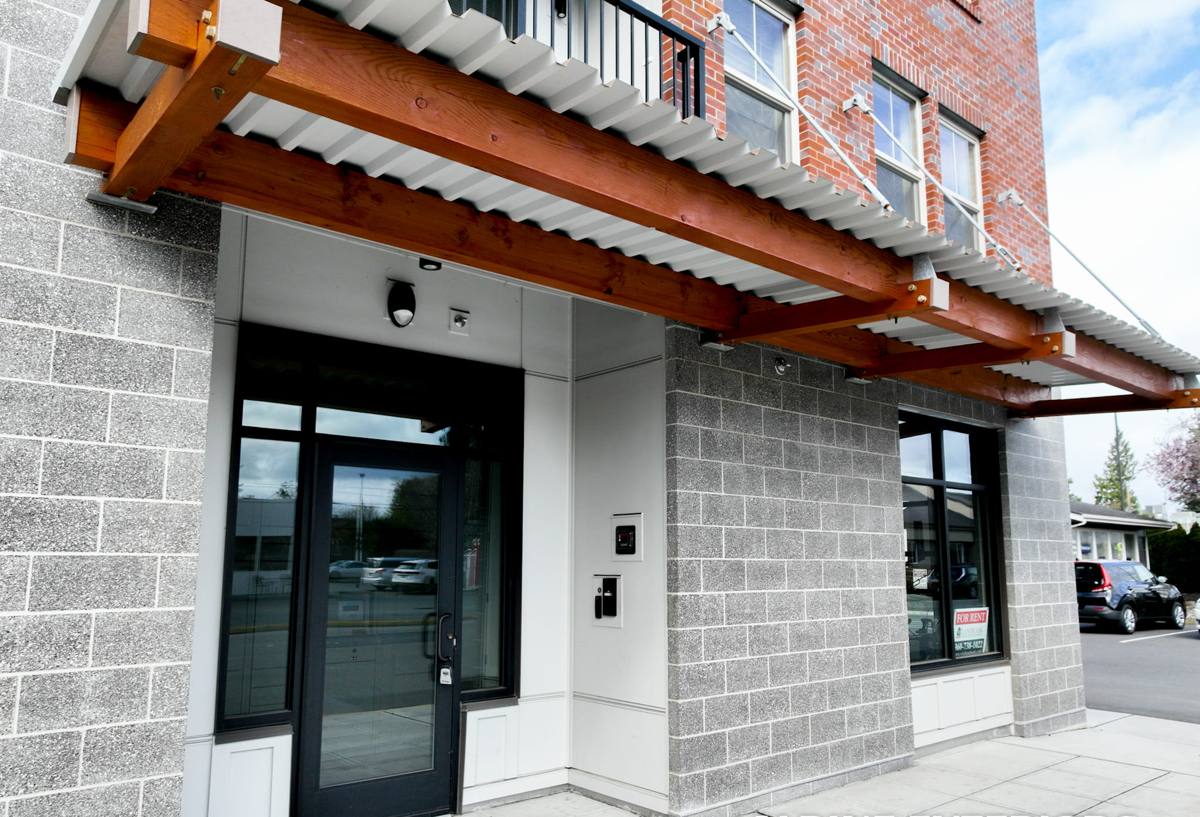
What Cordata Homes Actually Need From a Window
Cordata has a mix of housing stock — newer development along the growth corridor near the mall and college, plus older single-family homes on larger lots with mature tree cover. That mix means the "right" window isn't identical from house to house, but the performance requirements are consistent across the neighborhood:
- Moisture management at the sill and frame. Whatcom County's rain isn't just frequent, it's often wind-driven, which pushes water sideways into gaps that would stay dry in a calmer climate. Flashing and sill pan detailing matter more here than in drier regions.
- Real thermal performance, not just a sticker. With our mild-but-long heating season, the payback on a properly insulated frame and low-E glass package shows up in the gas or electric bill every single month, not just during a cold snap.
- Condensation resistance. Shaded lots and damp indoor air (especially in homes with newer, tighter insulation but old windows) are a recipe for interior condensation and eventual mold at the sill if the glass package and frame aren't matched correctly.
- Low-maintenance exteriors. Homes under tree cover collect moss and organic debris on horizontal surfaces, including window sills and exterior trim. Materials that shed water and resist organic growth save homeowners from a yearly scrub-down.
Signs Your Cordata Home's Windows Are Underperforming
Most homeowners don't think about window replacement until something is visibly wrong, but by that point the problem has usually been costing money quietly for a while. Watch for:
- Visible fog or moisture trapped between panes — the seal has failed and the insulating gas is gone
- Condensation forming on the inside of the glass during cold, damp mornings
- Drafts you can feel with a hand near the frame on a windy day
- Soft, discolored, or spongy wood at the sill or lower frame corners
- Difficulty opening, closing, or locking — frames that have swelled or warped
- Noticeably higher heating costs compared to similarly sized homes with newer windows
- Moss, algae, or black streaking building up on the sill or exterior trim faster than it should
Any one of these on its own isn't an emergency. Several together, especially on a home more than 20-25 years old, usually means it's time to at least get an honest assessment.
How We Approach an Energy-Efficient Window Job
1. On-Site Assessment
We walk the exterior and interior of every window being considered, not just the ones the homeowner flagged. On a Cordata property, we're specifically checking sill condition, evidence of past water intrusion, how much sun or shade exposure each elevation gets, and whether existing flashing or house wrap is doing its job. A window that looks fine from six feet away can be hiding rot underneath the sill if water has been getting behind the trim for years.
2. Product Recommendation Based on the Actual House
We don't push one brand or one glass package for every home. A window on the shaded north side of a Cordata lot with heavy tree cover has different needs than a south-facing window that gets full sun. We'll walk you through frame material, glass package, and hardware options and explain the real trade-offs — cost, maintenance, expected service life, and how each option handles our specific rain and humidity pattern — rather than leading with the most expensive option by default.
3. Removal and Inspection of the Rough Opening
Once the old window is out, we inspect the rough opening for hidden water damage, deteriorated framing, or missing/failed flashing before anything new goes in. This is the step that gets skipped by crews trying to move fast, and it's the step that determines whether the new window lasts 25 years or 5.
4. Correct Flashing and Sealing for Our Rain Pattern
Given how much wind-driven rain this region gets, we pay particular attention to sill pan flashing and proper integration with the existing weather-resistive barrier. A window that's air-sealed but not correctly flashed will eventually leak — it's just a matter of time and one bad storm.
5. Final Fit, Operation, and Cleanup
Every window gets checked for square, level, and smooth operation before we consider the job done. We also make sure interior and exterior trim work is finished cleanly, since a rushed trim job is often the first visible sign of a rushed installation underneath.
Frame Materials: What We Recommend and Why
| Frame Material | How It Performs in Our Climate | Maintenance |
|---|---|---|
| Vinyl | Good moisture resistance, solid thermal performance, widely used and reliable in the Pacific Northwest | Low — occasional cleaning, no painting or sealing |
| Fiberglass | Excellent dimensional stability through our freeze-thaw swings, strong long-term performance | Low — very stable, minimal upkeep |
| Wood-clad | Attractive interior look with an exterior shell, but the cladding seams are a moisture entry point worth watching in a high-rain climate | Moderate — depends on cladding condition and installation quality |
| Aluminum | Durable but a poor insulator on its own; conducts cold and can contribute to condensation without thermal breaks | Low physically, but higher energy cost over time |
For most Cordata homes, vinyl or fiberglass frames give the best balance of energy performance, moisture resistance, and long-term maintenance for the money. We'll still walk you through wood-clad or other options if that's what matches your home's style — we just want you making that call with the full picture, including how each material has actually held up in installations we've serviced around Whatcom County.
Understanding Glass Packages
The glass is doing most of the energy-efficiency work, and it's where a lot of the real cost difference between window options lives. In general terms:
- Double-pane, low-E coated glass is the practical baseline for this climate — it manages both heat loss and solar gain reasonably well and is the most common upgrade from older single-pane windows.
- Gas-filled units (typically argon) add a meaningful bump in insulating performance for a relatively modest cost increase over standard double-pane.
- Triple-pane glass offers the best raw thermal performance and the most help with sound dampening, but it costs more, weighs more (which matters for hardware and frame sizing), and the extra performance is most noticeable in colder climates than ours. For most Cordata homes, it's worth pricing out but isn't always the most cost-effective choice.
We'll give you real numbers for your specific house rather than a generic recommendation, since the right glass package depends on orientation, shading, and how the room behind that window is used.
What to Ask Before Hiring Anyone for This Kind of Work
Window replacement is one of those projects where the installation quality matters as much as the product, and a bad install can void even a good manufacturer's warranty. Before you hire anyone in the Bellingham area, it's reasonable to ask:
- Are you licensed and insured to do this work in Washington State?
- Who is doing the actual installation — your own crew or a subcontractor?
- What's your process for checking and repairing the rough opening if there's hidden damage?
- What warranty covers the installation itself, separate from the manufacturer's product warranty?
- Can you walk me through how you'll flash and seal the window given our rain pattern?
- Do you have experience working on homes in this specific neighborhood or similar terrain?
A contractor who answers these clearly and specifically, without dodging into brand talking points, is usually one who actually understands the install side of the job — not just the sales side.
Why a Local Crew Matters for This Job
Window installation looks straightforward from the outside, but the details that make it hold up for decades — flashing sequence, sealant choice, how the opening ties into the existing wall assembly — are climate-specific. A crew that installs windows regularly in Bellingham and Whatcom County has already seen how the local rain pattern, humidity, and moss-prone shade conditions affect window performance over time. That's knowledge you don't get from a manufacturer spec sheet, and it's the difference between a window that looks good on install day and one that's still performing correctly ten winters from now.
We also know this matters practically: if something needs a warranty check or a minor adjustment down the road, having a crew that's local and already familiar with your home's install makes that a quick visit instead of a scheduling headache.
Get an Honest Look at Your Windows
If your Cordata home has windows that are drafty, fogged, hard to operate, or just old enough that you're wondering whether repair or replacement makes more sense, we're happy to take a look and give you a straight answer — not a sales pitch. Request a free, no-pressure estimate using the form below and we'll walk your home's specific windows with you.