 Bellingham Exterior
 Windows Built for Cordata's Weather, Not Just Its Curb Appeal
Cordata sits in north Bellingham, and like the rest of Whatcom County it gets weather that's tough on window assemblies specifically — not just on paint and siding. Wind-driven rain off the Sound pushes water sideways into gaps that would stay dry in a calmer climate. Salt-laden air corrodes hardware and fasteners faster than inland manufacturers' warranties assume. And the long stretch of grey, wet months from fall through spring means anything that traps moisture around a window opening gets months to do damage before it ever dries out. A window that looks fine on day one can fail quietly behind the trim for years before anyone notices a soft spot or a musty smell.
Window installation done right in this area isn't just about picking a good window — it's about how that window gets sealed, flashed, and integrated into the wall around it. We've installed and replaced windows across Cordata and the surrounding Bellingham neighborhoods long enough to know which details actually matter here and which are just marketing.
What Cordata's Housing Stock Means for a Window Job
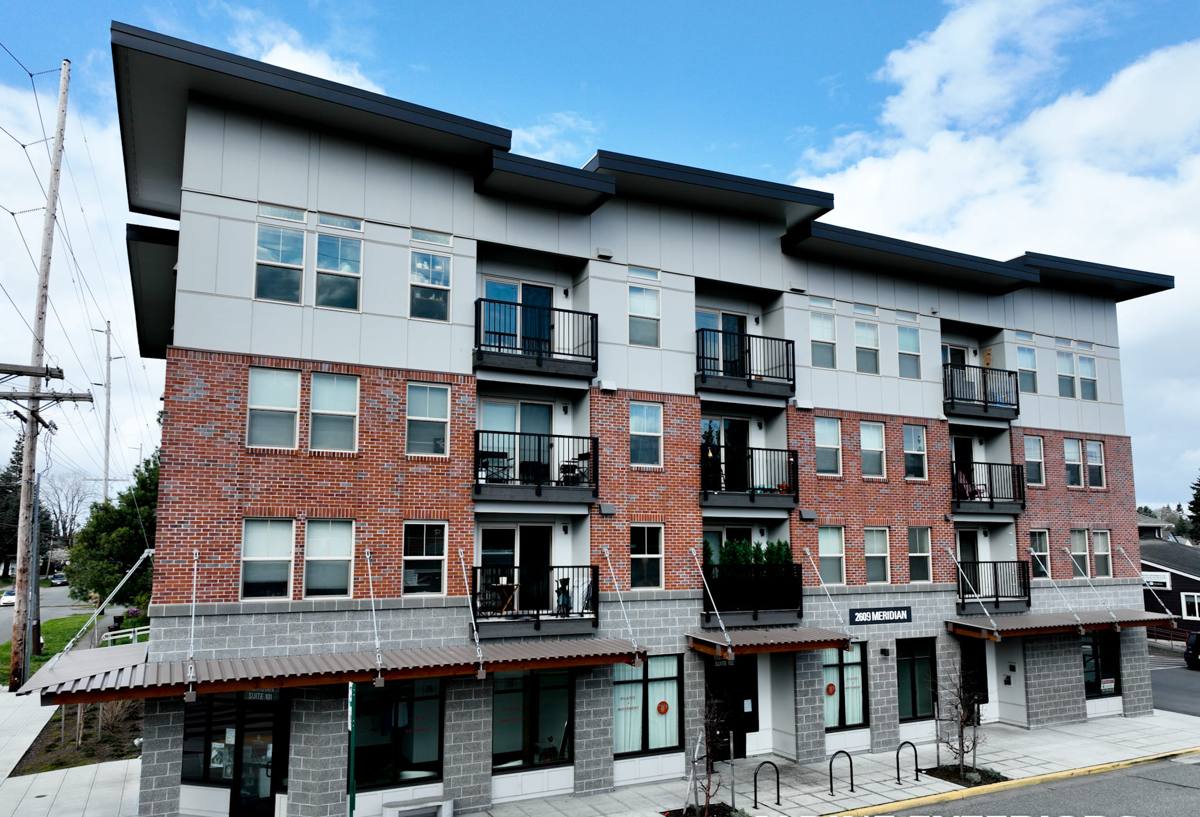
Cordata has a mix of newer construction and older homes, and each brings different challenges. Newer builds sometimes have house wrap and flashing installed to code minimums but not to a standard that holds up to years of wind-driven rain. Older homes may have original wood windows with failed seals, out-of-square openings from decades of settling, or previous replacement windows installed without proper flashing because the wall wasn't opened up to do it correctly. Neither situation is unusual, and neither is a reason to panic — but both need to be assessed honestly before a new window goes in, not after.
We look at more than the window itself during an estimate. We check the condition of the sill, the header, the surrounding wall assembly, and any signs of past water intrusion — staining, soft wood, or bubbled paint near the opening. That tells us whether a straightforward replacement will work or whether the opening needs repair first.
Common Warning Signs We See on Cordata Homes
- Fogging or condensation between panes — the seal has failed and the insulating gas is gone
- Visible moss or algae growth on the sill or lower sash, especially on north- and west-facing windows
- Drafts you can feel with a hand near the frame on a windy day
- Difficulty opening, closing, or locking — often a sign the frame has shifted or swollen
- Soft or discolored trim and drywall around the window's interior casing
- Visible gaps or cracked caulk between the window frame and the siding
What a Correct Window Installation Actually Involves
Anyone can set a window in an opening and caulk around the edges. That's not installation — that's a leak waiting for the right storm. A proper install manages water at every layer, assuming some moisture will always find its way to the wall and giving it a path back out instead of a place to sit.
The Layers That Matter
Working from the wall outward, a correct install includes a water-resistive barrier integrated with the window's flashing, a sloped sill pan so any water that gets behind the window drains out rather than pooling, properly lapped flashing tape at the sides and head so water sheds downward and outward, and low-expansion foam or backer rod and sealant at the interior gap for both air sealing and insulation — never spray foam alone as the only air seal, since it doesn't manage bulk water.
Fasteners and Hardware
Given the salt air common to this region, we use corrosion-resistant fasteners and hardware rated for coastal or near-coastal exposure. Standard interior-grade screws and hinges can start showing rust within a few years in this climate; it's a small cost difference upfront that avoids sticking sashes and staining down the road.
Choosing the Right Window for This Climate
There's no single "best" window brand or material — the right choice depends on the home, the budget, and how much maintenance the owner wants to take on. Here's how the common options actually compare for a wet, coastal-influenced climate like Bellingham's:
| Frame Material | Moisture Performance | Maintenance | Typical Trade-offs |
|---|---|---|---|
| Vinyl | Won't rot; handles moisture well | Low | Limited color/finish options; can expand/contract with temperature swings |
| Fiberglass | Excellent; very stable, low expansion | Low | Higher upfront cost than vinyl |
| Wood (unclad) | Requires diligent upkeep to prevent rot in this climate | High | Best traditional appearance; needs regular repainting/sealing |
| Wood-Clad (exterior aluminum or fiberglass shell) | Good, if cladding and flashing are detailed correctly | Moderate | Interior wood look with better exterior weather resistance |
| Aluminum | Poor thermal performance; can conduct cold and condense | Low | We generally don't recommend for Whatcom County homes without a thermal break |
We don't push a single brand or material on every job. We'll walk through what's realistic for the home's style, budget, and how it's oriented to wind and rain, and explain the honest maintenance trade-offs of each option rather than just the upsides.
Glazing: Double vs. Triple Pane
Double-pane, low-E glass is the standard baseline and performs well for most Cordata homes. Triple-pane adds meaningful sound dampening and a modest energy bump, but the cost premium is significant and the payback period is long in our mild-winter climate compared to colder regions. We'll size this to the specific room — a bedroom facing a busier street benefits more from triple-pane's sound reduction than a quiet interior room does.
Our Installation Process
- On-site assessment. We inspect existing openings, check for hidden moisture or rot, and take precise measurements — nothing is ordered off assumptions.
- Product selection. We go over material, glazing, and hardware options suited to the specific window's exposure and the home's overall style.
- Opening prep. Old windows are removed carefully, and any damaged framing, sheathing, or flashing is repaired before the new unit goes in — we don't install a new window into a compromised opening.
- Flashing and sill pan installation. This is the step most corners get cut on elsewhere. We build it in every time, sloped and lapped correctly for this climate's rain patterns.
- Window set and shimming. The unit is leveled, plumbed, and squared before fastening — a window that's out of square binds and seals poorly regardless of quality.
- Air sealing and insulation. Backer rod, low-expansion foam, and sealant close the gap without over-filling, which can bow the frame.
- Interior and exterior trim. Trim is reinstalled or replaced and caulked at the final exterior joints.
- Walkthrough. We test operation, locks, and seals with the homeowner before calling the job done.
Why Local Experience in Cordata Matters
A crew that regularly works this neighborhood already knows what to expect from a given home's age and orientation before pulling the old window out. We've seen how houses on more exposed lots handle wind-driven rain differently than more sheltered ones, and we adjust flashing detail and sealant choice accordingly rather than using one generic approach on every job. That familiarity also means we're not guessing at permit requirements or inspection expectations for Bellingham and Whatcom County — we've been through the process enough times that it moves smoothly.
Just as important: we're not disappearing after the invoice clears. If a seal ever needs attention or a question comes up two winters later, we're still a local business working in the same neighborhoods, not a crew that drove in from out of the area for one job.
Keeping New Windows Performing Long-Term
A correctly installed window still needs basic upkeep, especially with the amount of rain and the long moss season this area gets. A little attention once or twice a year prevents most of the problems we get called out to fix.
- Clear debris and moss buildup from sills and tracks before it holds moisture against the frame
- Check exterior caulk lines annually for cracking or gaps, especially after the first year as materials settle
- Wipe down hardware and tracks periodically — salt air residue accelerates corrosion if left to sit
- Watch for condensation between panes, which signals a failed seal, not a cleaning issue
- Keep gutters and downspouts clear so roof runoff isn't sheeting down across upper windows
What Affects the Cost
Every home and opening is different, so we quote based on the actual job rather than a flat per-window number. The factors below are the ones that most commonly move the price up or down:
| Factor | How It Affects Cost |
|---|---|
| Frame material | Vinyl is typically the most affordable; fiberglass and wood-clad cost more |
| Existing damage | Rot or hidden moisture damage found during removal adds repair time |
| Window size and type | Larger units, custom shapes, or operable styles (casement, awning) cost more than standard sliders |
| Number of windows | Doing multiple windows in one visit typically lowers the per-unit cost |
| Access and location | Second-story or hard-to-reach windows take more labor time |
We give straightforward, itemized estimates so you know what you're paying for and why — no vague lump-sum numbers that make it hard to compare options.
If you're noticing drafts, fogged glass, or sticking sashes on your Cordata home, or you're just ready to stop patching old windows, we're happy to take a look. Reach out for a free, no-pressure estimate — we'll assess your windows honestly and walk you through what actually makes sense for your home and budget.