 Bellingham Exterior
 Building New in Sehome Means Building for Bellingham's Weather
Sehome sits close enough to Bellingham Bay that salt-laden air is a real factor in how exterior materials age, and it's high enough on the hillside near Sehome Hill Arboretum that wind-driven rain hits window walls from angles a lot of product literature doesn't account for. If you're framing a new home, an addition, or a ground-up remodel in this neighborhood, the windows you choose and how they're installed will do more to determine your long-term maintenance bill than almost any other exterior decision.
New-construction windows are a one-shot opportunity. Unlike a replacement window dropped into an existing opening, a new-construction unit gets integrated with the house wrap, flashing, and siding before anything is finished. Get that sequence right and you've built a wall assembly that sheds Whatcom County's rain for decades. Get it wrong and you've built a slow leak behind brand-new siding — the kind that doesn't show up until the drywall is already stained.
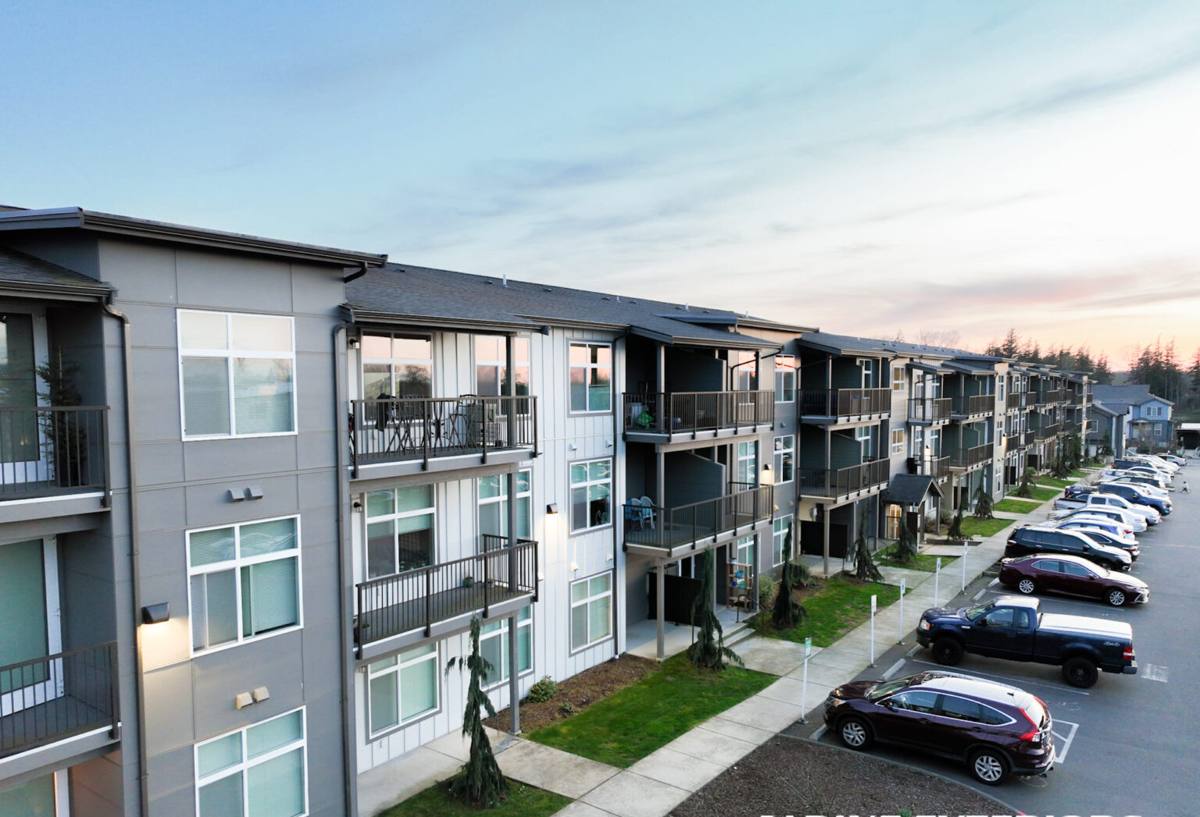
What "New-Construction" Windows Actually Are
New-construction windows are built with a nailing flange (sometimes called a nail fin) around the perimeter of the frame. That flange is what gets integrated into the water-resistive barrier (WRB) and flashing system before siding goes on. This is different from a replacement or "pocket" window, which is designed to slide into an existing frame with no flange, relying instead on the old frame and trim for weatherproofing.
On a new build or an addition in Sehome, you almost always want true new-construction units, because:
- You get a full flashing pan and continuous flange integration, not a caulk-dependent retrofit seal
- The window can be set plumb, level, and square to the rough opening rather than compromised by an existing frame
- You control the shim and insulation gap around the frame, which matters for both drafts and condensation control
- Flange-style units are generally more affordable per window than block-frame or replacement-style equivalents of similar quality
Why Installation Detail Matters More Than the Brand on the Sticker
We get asked which window brand is "best" more than any other question, and the honest answer is that brand matters less than most homeowners expect. A mid-tier vinyl or fiberglass window installed with a correct sill pan, back-dammed flashing, and properly lapped WRB will outperform a premium window installed with shortcuts — every time, and especially in a climate like ours where the wall gets wet dozens of times a year, not just during the occasional storm.
The install sequence that actually keeps water out
- Rough opening is checked for square, level, and correct dimensions before the window ever shows up on site
- A sloped sill pan flashing is installed at the bottom of the opening so any water that does get past the window has somewhere to go — outward, not into the wall cavity
- Self-adhered flashing tape laps over the sill pan and up the jambs in "shingle fashion" so every layer above overlaps the one below it
- The window is set, shimmed level and plumb, and fastened through the flange per the manufacturer's schedule — not just a few nails in the corners
- Head flashing goes on last, lapped under the WRB above the window so water draining down the wall passes over the flashing, not behind it
- Perimeter gaps are insulated (usually low-expansion foam) and interior/exterior sealant joints are completed per the manufacturer's warranty requirements
Skip the sill pan or reverse the lap order on the flashing tape, and you've created a place for water to collect right at the most vulnerable point in the wall. This is the single most common defect we find when we're called in to diagnose a leak around a "new" window in this area, and it's almost never the window's fault.
Choosing a Frame Material for Sehome's Conditions
There's no single "correct" frame material — the right call depends on your budget, the home's design, and how much upkeep you want to take on. Here's how the common options actually compare for a Bellingham build exposed to salt air and sustained damp:
| Frame Material | Salt Air / Moisture Behavior | Maintenance | Typical Trade-Off |
|---|---|---|---|
| Vinyl | Doesn't corrode or rot; performs well in coastal air | Low — occasional cleaning | Fewer color/finish options; frames can expand and contract with temperature swings |
| Fiberglass | Very stable dimensionally; excellent in wet, variable climates | Low | Higher upfront cost than vinyl |
| Aluminum | Prone to condensation and thermal bridging unless thermally broken | Moderate — watch for pitting near salt air | Slim sightlines, but needs a thermal break for our climate |
| Wood / Wood-Clad | Vulnerable to moisture intrusion if any finish or seal fails | High — regular refinishing and caulk checks | Best appearance for some architectural styles; highest long-term upkeep in a wet climate |
We're not going to tell you wood windows are a bad product — plenty of well-built homes use them successfully. But we do set expectations honestly: any wood or wood-clad window installed in Whatcom County needs a maintenance routine, because the moment a finish or joint sealant fails, moisture has a path into the frame. For most new builds and additions in Sehome, vinyl or fiberglass hits the best balance of upfront cost and low-maintenance performance against our rain and salt exposure.
Glass and gas fill considerations
Whatever frame you choose, insulated glass units with argon fill and a low-E coating are the practical baseline for new construction here — not because of a marketing claim, but because our winters are mild but consistently damp and gray, and a good low-E coating helps manage both heat loss and interior condensation on cold mornings. If the home has significant west or south glazing exposed to storm-driven rain, we'll also talk through impact considerations and drainage-gap glazing details specific to that elevation.
Moss, Algae, and Long-Term Window Performance
Bellingham's long moss season doesn't just affect roofs. Sills, exterior trim, and the top of window flanges collect organic growth wherever water sits and shade lingers — which is common on north- and east-facing walls in Sehome's tree-covered lots. A correctly sloped sill and a drip cap above the window head keep water moving instead of pooling, which does more to prevent moss and algae buildup than any coating or paint additive. We factor sill slope and head flashing projection into the install specifically because of how much of the year this area stays damp.
Our New-Construction Window Process
Whether we're working directly with a homeowner or alongside a general contractor framing a new build or addition, our process stays consistent:
- Review the window schedule and rough openings against the plan set before ordering
- Verify manufacturer flashing and installation instructions for the specific window line — these vary by manufacturer and affect warranty coverage
- Install sill pan flashing, jamb flashing, and head flashing in correct shingle-lap order
- Set, shim, and fasten each window to spec, checking operation (opening, closing, locking) before moving on
- Integrate flashing with the WRB and coordinate the sequence with siding installers so there's no gap in the water management plan
- Walk the finished openings with the homeowner or GC before siding closes everything up — this is the last point where a flashing issue is easy to fix
That last step matters more than people expect. Once siding is on, a flashing mistake becomes expensive and disruptive to correct. We'd rather spend an extra twenty minutes on a walkthrough than have anyone deal with a wall opened up two years later.
What Drives Cost on a New-Construction Window Package
Every job is different, but the line items that actually move the price on a Sehome new-construction window package are consistent:
| Cost Factor | Why It Matters |
|---|---|
| Frame material and glass package | Vinyl to fiberglass to wood-clad spans a wide price range; low-E and argon add modest cost with real performance return |
| Window count and sizing | Larger units, custom shapes, and higher counts increase both material and labor time |
| Wall assembly complexity | Multi-story walls, tricky rooflines, or heavy shading affect flashing detail and access |
| Coordination with other trades | Tight sequencing with siding and WRB installers on an active build site can affect scheduling and cost |
| Site exposure | Elevations with heavy wind-driven rain or salt exposure may warrant upgraded flashing tape or sealant systems |
We'll walk through actual numbers once we've seen the plans or the framed openings — broad estimate ranges without seeing the specific window schedule aren't useful to you, and we'd rather give you a real number than a placeholder.
A Homeowner or GC Checklist Before Windows Go In
- Confirm rough openings match the window schedule and manufacturer's specified tolerances
- Confirm which flashing tape and sealant products are compatible with your WRB — not all products are compatible with each other
- Ask what happens at the sill: is there a sloped pan, and where does water go if it gets past the glass?
- Confirm who is responsible for sequencing between window install and siding install
- Get manufacturer installation instructions in writing if warranty coverage matters to you — most window warranties require installation per spec
- Schedule a pre-siding walkthrough so flashing issues get caught while they're still cheap to fix
Why a Crew That Already Works in Sehome Is Worth Choosing
Sehome's mix of older lots with mature trees, hillside grading near the arboretum, and infill construction close to WWU means every new-construction window job here has its own quirks — shading patterns that keep certain walls damp longer, tighter lot lines that affect scaffolding and access, and drainage patterns on sloped sites that change how water moves across a wall. A crew that's worked this neighborhood before isn't guessing at how Bellingham's rain and salt air behave against a specific elevation — they've already seen how it plays out on the house down the street.
We also stay current on Whatcom County permitting and inspection expectations for new construction, which keeps window rough-in and final inspections moving without surprises. That local familiarity — not a brand name on the window — is what actually protects your investment over the next twenty or thirty years.
Get a Straight Answer on Your Sehome Window Package
If you're framing a new home, building an addition, or coordinating windows as part of a larger remodel in Sehome, we're happy to look at your plans or your framed openings and walk you through what makes sense for the site, the budget, and Bellingham's weather. Use the form below to request a free, no-pressure estimate — no obligation, just a straight assessment of what your project needs.