 Bellingham Exterior
 Asphalt Shingle Roofing Built for South Hill's Conditions
South Hill sits above downtown Bellingham with some of the best views in Whatcom County — and some of the toughest exposure a roof can face. The elevation and open aspect that make the views worthwhile also mean these homes catch more wind-driven rain off Bellingham Bay, more salt-laden air, and more sustained shade from mature trees along the older streets. That combination speeds up the two things that kill asphalt shingle roofs early: moisture intrusion at the edges and moss colonization across the field of the roof. A shingle roof installed correctly for South Hill's exposure will outlast one installed the same way in a drier, more sheltered part of the county, and it isn't complicated to explain why — it comes down to ventilation, underlayment choice, and flashing detail, all of which we treat as non-negotiable on every job here.
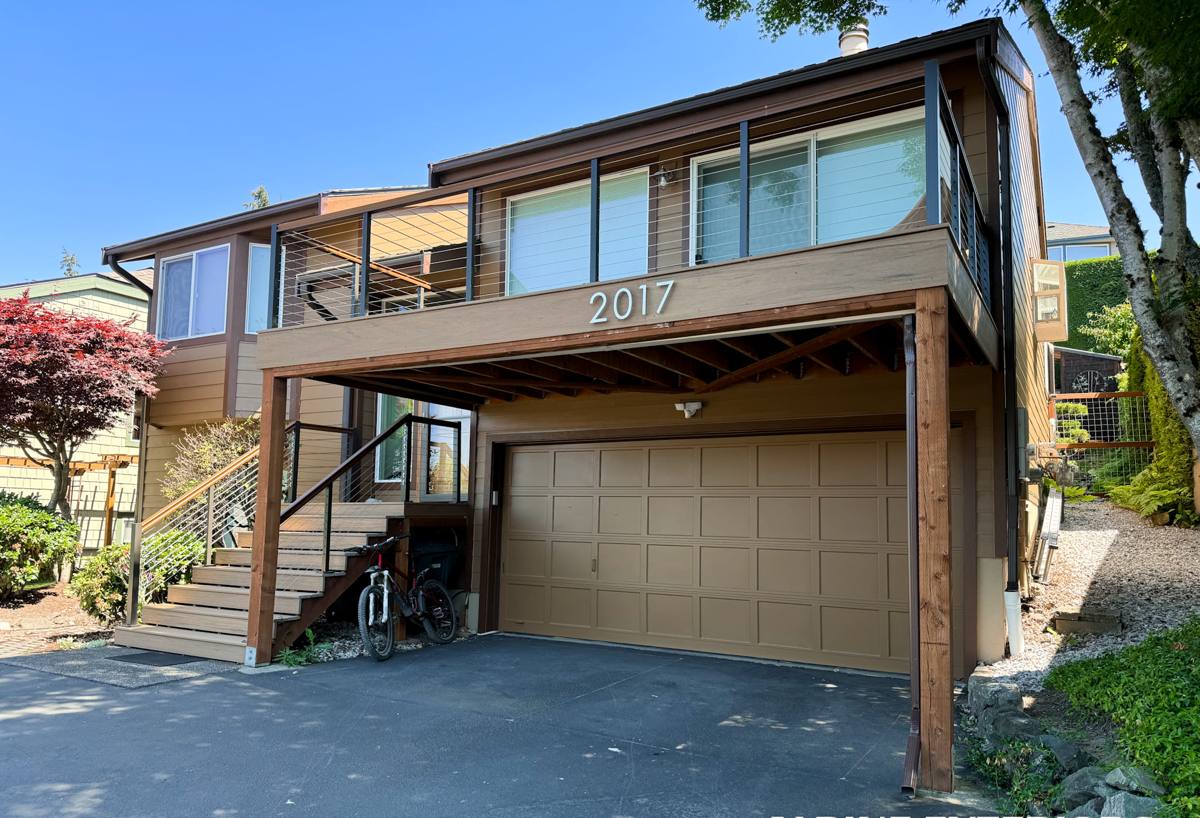
Why This Neighborhood Is Hard on Roofs
Several older homes in South Hill were built before modern roof ventilation and ice-and-water shield practices were standard, and many have been re-roofed at least once without those gaps being corrected. That's the pattern we see most often: a roof that looks fine from the street but is missing the underlayment coverage or attic airflow it needs to handle this specific climate.
Salt Air and Metal Fatigue
Proximity to the bay means airborne salt settles on every exterior surface, including roof flashing, nail heads, and vent stacks. Salt accelerates corrosion on exposed metal far faster than it degrades the shingles themselves. A roof can have plenty of life left in the shingle mat while its flashing is already rusting through — and rusted flashing is where leaks start, not the shingles.
Driving Rain and Wind Exposure
South Hill's elevation puts it in the path of wind-driven rain that comes in at an angle rather than straight down. Standard nailing patterns and minimal underlayment overlap tolerate vertical rain fine but let wind-driven rain work up under shingle tabs and through fastener penetrations. This is why wind rating and fastener count matter more here than in sheltered lower-elevation neighborhoods.
Moss, Shade, and the Long Wet Season
Bellingham's moss season runs long — realistically most of the year on north-facing slopes and anywhere tree cover keeps a roof from drying out between rain events. Moss doesn't just look bad; its root structure lifts shingle edges and holds moisture against the mat, which shortens the life of the roof from underneath. Roofs under mature conifers or with north-facing pitches need moss-resistant products and a maintenance rhythm, not a one-time treatment.
What a Correctly Installed Shingle Roof Includes
A shingle roof is a system, not a single product. Every layer has a job, and skipping or shortcutting any one of them is where premature leaks and callbacks come from. For South Hill specifically, we treat the following as standard, not upgrades:
- Ice-and-water shield at eaves, valleys, and all roof penetrations — not just the code minimum, but full coverage where wind-driven rain is likely to push moisture uphill under the shingle
- Synthetic underlayment across the full roof deck for a consistent moisture barrier that also protects the deck during the install itself
- Balanced intake and exhaust ventilation so the attic can dry out between wet spells instead of trapping moisture against the underside of the deck
- Corrosion-resistant flashing at all valleys, chimneys, skylights, and wall intersections, given the salt exposure this area sees
- Manufacturer-specified nailing pattern and fastener count matched to the wind exposure of the specific roof plane, not a blanket minimum
- Proper starter strip and hip/ridge shingle installation, since these are the most common places we find shortcuts on older re-roofs
Choosing the Right Shingle Product for This Climate
Not every asphalt shingle line is built the same, and for a roof exposed to South Hill's mix of wind, moisture, and shade, the differences matter more than the price tag suggests. We steer homeowners toward algae-resistant (AR) shingles as a baseline here — untreated shingles will streak and host moss growth noticeably faster under tree cover or on shaded north slopes. Beyond that, wind rating and mat weight are the two specs worth understanding before you pick a product.
| Shingle Type | Typical Wind Rating | Best Fit for South Hill | Trade-Offs |
|---|---|---|---|
| 3-tab (economy) | 60–70 mph | Not recommended for exposed, wind-driven-rain roof planes | Lowest cost, but thinner mat and lower wind rating age faster in this exposure |
| Standard architectural (laminate) | 110–130 mph | Good baseline for most South Hill roofs with AR treatment added | Solid value; needs AR granules specified — it's not automatic on every line |
| Premium/designer architectural | 130–150 mph | Best for fully exposed, view-facing roof planes and steep-shade north slopes | Higher material cost; heavier mat resists wind uplift and moss intrusion longer |
We don't push premium product on every job — a well-sheltered, lower-pitch roof on the back of a South Hill lot may do perfectly well on a standard architectural line. What we won't do is install a 3-tab or bare economy shingle on a fully exposed, view-facing plane and call it a good long-term fit for this climate. That's a maintenance burden we'd rather explain up front than have a homeowner discover in year six.
Our Process for a South Hill Roof
1. On-Site Inspection and Honest Assessment
We walk the roof, check the attic for ventilation and existing moisture staining, and look at flashing condition around every penetration — not just the shingle surface. This tells us whether you're looking at a full re-roof, a repair, or something in between, and we'll say so plainly.
2. Written Scope Before Any Work Starts
You get a scope that spells out underlayment type, flashing scope, ventilation plan, and the specific shingle product — not a vague "re-roof" line item. If something on your existing roof needs correcting (undersized ventilation, missing ice-and-water shield, deteriorated decking), we flag it before tear-off, not as a surprise change order mid-job.
3. Tear-Off and Deck Inspection
Old roofing comes off down to the deck so we can actually see what's there. Any soft or water-damaged decking gets replaced before new underlayment goes down — covering a compromised deck just hides the problem for the next roof to inherit.
4. Underlayment, Flashing, and Ventilation Installed to the Standard Above
This is where a roof's real lifespan gets decided, and it's the stage that's invisible once shingles go on — which is exactly why we don't shortcut it.
5. Shingle Installation and Final Walkthrough
Shingles go down to manufacturer spec for the wind exposure of your specific roof planes. We walk the finished roof with you, cover the warranty paperwork, and explain any maintenance items — moss-prone areas in particular — so you know what to expect going forward.
Repair, Patch, or Full Replacement?
Not every roof problem calls for a full tear-off, and we'd rather tell you that than sell a bigger job than you need. A few honest markers we use to decide:
- Isolated leak, roof under 12–15 years old, shingles otherwise intact: usually a flashing or fastener repair, not a replacement
- Moss buildup with shingles still gripping and no granule loss underneath: a cleaning and moss treatment plan, not a re-roof
- Widespread granule loss, curling tabs, or multiple past patch repairs: the mat is aging out and full replacement is usually the more cost-effective path
- Soft spots in the decking or daylight visible in the attic: replacement is warranted regardless of shingle age, since the deck itself needs attention
- Rusted or failing flashing on an otherwise sound roof: targeted flashing replacement can add years without touching the shingles
If you're not sure which category your roof falls into, that's exactly what the inspection is for — we'll tell you honestly, including when the answer is "this doesn't need us yet."
Maintenance That Actually Extends a South Hill Roof's Life
Given the moss season and salt exposure this neighborhood deals with, a shingle roof here benefits from a light annual check rather than a "install it and forget it" approach. Keeping gutters clear so water isn't backing up under the eave edge, having moss physically removed rather than just chemically treated when it gets established, and having flashing checked every few years for corrosion will do more for a roof's lifespan than any single upgrade at install time. None of this needs to be elaborate — it just needs to happen on a schedule instead of after a leak shows up.
Why Local Experience on This Specific Terrain Matters
South Hill's roofs aren't uniform — pitch, tree cover, and wind exposure change block to block, sometimes house to house. A crew that has worked this neighborhood knows which streets tend to hold moss year-round, which exposures take the worst of the wind off the bay, and which older homes are likely to need ventilation correction under the shingles rather than just a surface re-cover. That local pattern recognition shortens the inspection, sharpens the estimate, and avoids the guesswork that comes with a crew seeing this kind of exposure for the first time. It's also why we don't hand you a generic package — the ventilation plan, underlayment coverage, and shingle spec we recommend are based on where your roof actually sits and how it's actually exposed, not a one-size answer for all of Whatcom County.
Get a Straightforward Estimate
If your South Hill roof is due for an inspection, showing signs of moss or flashing wear, or you're just trying to plan ahead, we're happy to take a look and give you a straight answer — repair, maintenance, or replacement, whichever it actually is. Use the form below to request a free, no-pressure estimate.