 Bellingham Exterior
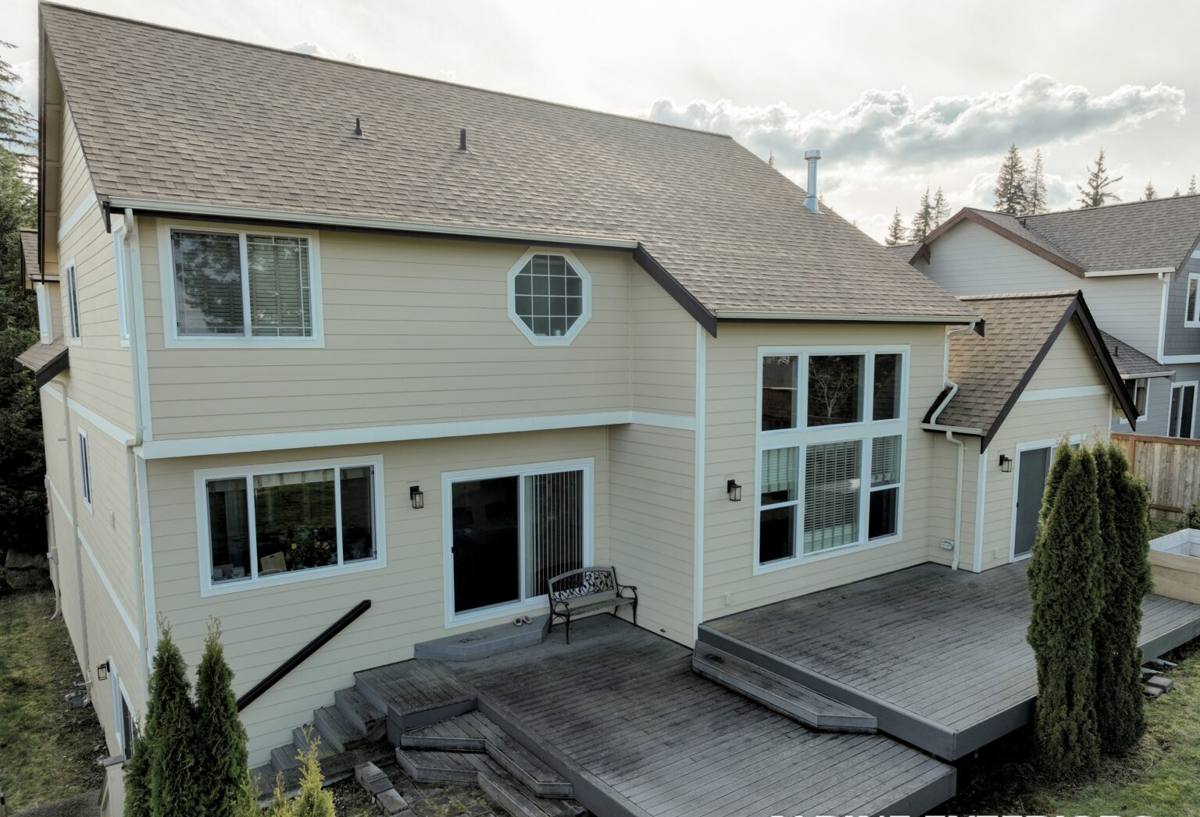
 Deck Building for Birchwood Homes
Birchwood is one of Bellingham's older, well-established residential areas, and a lot of the decks we get called out to inspect or rebuild here were never built for the amount of moisture this part of Whatcom County actually sees year-round. A deck in Birchwood doesn't fail because of one bad storm. It fails slowly, from water that never fully dries out between rain events, from wood that stays damp under a layer of moss for months at a time, and from hardware that was never rated for a marine-influenced climate this close to Bellingham Bay. Building a deck correctly here means designing for that reality from the footings up, not just picking attractive decking boards.
What Bellingham's Climate Actually Does to a Deck
Salt Air and Corrosion
Bellingham's proximity to the bay means the air carries a low but steady level of salt, even well inland in neighborhoods like Birchwood. Over years, that salt content accelerates corrosion on fasteners, joist hangers, and any hardware that isn't rated for coastal exposure. A deck built with standard interior-grade screws or unprotected steel hangers will show rust streaks and weakening connections years before a deck built with hot-dip galvanized or stainless hardware.
Moss and Prolonged Dampness
Whatcom County's long moss season isn't just a cosmetic issue. Moss holds moisture directly against wood fibers and decking surfaces for extended periods, which is exactly the condition that leads to rot, soft spots, and slick, unsafe walking surfaces. Shaded areas of a deck, and the gaps between boards where debris collects, are where this shows up first.
Driving Rain and Ledger Board Rot
The single most common structural failure we see on older decks anywhere in this region is rot at the ledger board — the piece that attaches the deck to the house. Driving rain pushes water behind poorly flashed ledger boards, and because that area is hidden behind decking and siding, the damage often isn't visible until the deck starts to feel spongy or actually begins to pull away from the house. This is a life-safety issue, not just a maintenance one, since the ledger connection carries a significant share of the deck's structural load.
What a Correctly Built Deck Actually Involves
A deck that's going to hold up in this climate isn't built differently because of style preferences — it's built differently because of what's underneath the decking boards.
Ledger Board Flashing
Proper ledger flashing includes a metal drip cap, self-adhering waterproof membrane, and correct integration with the house's existing siding and weather barrier, so water is directed away from the house rather than trapped against it. This is the detail that separates a deck that lasts decades from one that needs structural repair inside ten years.
Footings Below Frost Depth
Footings need to be sized and set to the depth required by local building code, so seasonal ground movement doesn't shift or crack them over time. Skipping this, or pouring undersized footings, is a common shortcut that causes decks to settle unevenly.
Joist Protection and Spacing
Joist tape over the top of every joist keeps water from soaking directly into end grain and fastener holes, which is one of the cheapest and most effective upgrades against long-term rot. Joist spacing also needs to account for the decking material chosen — composite and PVC boards often require tighter spacing than solid wood to prevent sagging over time.
Fasteners and Hardware Rated for This Climate
Given the salt-air exposure discussed above, we treat corrosion-resistant hardware as a standard requirement for Birchwood decks, not an upgrade. That means hot-dip galvanized or stainless connectors, hangers, and structural screws throughout — especially at the ledger, posts, and any hardware in direct or near contact with the ground.
Choosing the Right Decking Material
There's no single "best" decking material — the right choice depends on how much upkeep a homeowner wants to do, budget, and how much sun or shade the deck gets. Here's how the common options actually compare in a wet, moss-prone climate like ours.
| Material | Upfront Cost | Moisture & Moss Resistance | Maintenance | Typical Lifespan |
|---|---|---|---|---|
| Pressure-treated wood | Lowest | Fair — needs sealing to perform well | Annual cleaning and re-sealing | 10-15 years with upkeep |
| Cedar | Moderate | Good natural resistance, but surface needs care | Regular cleaning, periodic oiling | 15-20 years with upkeep |
| Capped composite | Higher | Very good — resists moisture absorption | Occasional washing, no sealing/staining | 25-30 years |
| PVC decking | Highest | Excellent — doesn't absorb moisture | Occasional washing | 25-30+ years |
Wood decking isn't a bad choice for Birchwood — it's a legitimate option for homeowners who don't mind the maintenance and like the look. Where we push back is on skipping that maintenance, since untreated or unsealed wood in this climate degrades faster than most homeowners expect. Composite and PVC cost more upfront but reduce the moss, staining, and re-sealing headaches that come with our wet season.
Design Considerations for Birchwood Properties
Many Birchwood lots have mature tree cover, which is one of the neighborhood's nicer qualities but also means more shaded, slower-drying deck surfaces. When we design a deck for a shaded lot, we pay closer attention to board spacing for airflow, drainage slope away from the house, and, where the site allows it, decking orientation that gets the surface at least some direct sun exposure during the day to help it dry out. On sloped Birchwood lots, we also look closely at how the deck's substructure and footings interact with drainage patterns on the property, so runoff isn't directed toward the house foundation or neighboring yards.
Our Process
1. On-Site Assessment
We walk the property, look at the existing structure if there is one, and talk through how the space will actually be used — entertaining, grilling, a quiet spot off a bedroom — since that shapes size and layout.
2. Design and Material Selection
We go over decking material options honestly, including the maintenance trade-offs above, so the choice matches the homeowner's budget and how much upkeep they actually want to do.
3. Permitting
Deck permits and inspections in the City of Bellingham and unincorporated Whatcom County exist for good reason — they catch undersized footings and missing ledger flashing before they become hidden problems. We handle this as part of the job.
4. Construction
Ledger flashing, footings, framing, joist protection, and hardware are all installed to the standards outlined above before a single decking board goes down.
5. Final Walkthrough
We walk the finished deck with the homeowner, point out any maintenance recommendations specific to the material chosen, and make sure every question is answered before we consider the job done.
What to Expect for Long-Term Maintenance
- Sweep debris out of board gaps regularly so moisture and organic material don't build up and feed moss growth
- Wash the deck surface at least once a year, more often on shaded sections
- Re-seal or re-stain wood decking on the schedule the product calls for — don't wait until it looks dry and gray
- Check the ledger board area and flashing annually for any signs of water staining or separation from the house
- Keep gutters and downspouts near the deck clear so runoff isn't dumping directly onto or under the structure
- Inspect fasteners and hardware periodically for rust or corrosion, especially on older decks
Why a Crew That Already Works Birchwood Matters
A contractor who builds decks across a range of climates might not think twice about ledger flashing detail or hardware corrosion ratings, because in a drier climate those shortcuts don't show up as fast. A crew that regularly works Birchwood and the rest of Bellingham has already seen what our combination of driving rain, salt air, and moss does to a deck that was built to a lower standard — and builds accordingly the first time. That also means being familiar with the local permitting process, typical soil conditions on Birchwood lots, and how to sequence a build around our wetter months so framing isn't sitting exposed to rain any longer than necessary.
Signs Your Current Deck Needs Attention
If you already have a deck in Birchwood, a few warning signs are worth acting on before they become bigger problems: soft or spongy spots in the decking, visible gaps or movement where the deck meets the house, rust staining around fasteners, persistent moss that comes right back after cleaning, or a ledger board area that looks darker or stained compared to the surrounding siding. Any of these can point to moisture getting into the structure, and catching it early is a lot less expensive than a full rebuild.
If you're planning a new deck or want an honest look at whether your current one is holding up the way it should, we're happy to come take a look. Use the form below to request a free, no-pressure estimate for your Birchwood property.