 Bellingham Exterior
 Building Decks That Hold Up in Silver Beach
A deck in Silver Beach lives a different life than a deck in a dry inland climate. Between the tree cover, the moisture that rolls in off the water, and the long stretch of gray months Whatcom County gets every year, an outdoor structure here is under near-constant low-grade attack. It's rarely one dramatic storm that ruins a deck in this area — it's the slow accumulation of damp air, shaded boards that never fully dry out, and moss finding a foothold in every joint and fastener head. A deck built without that in mind will look fine for a season or two and then start showing problems that are expensive to fix because they're structural, not cosmetic.
We build and repair decks for homes throughout Bellingham, and Silver Beach comes with its own particular set of conditions worth planning around: partial shade from mature trees, ground that holds moisture longer than open, sunnier lots, and coastal air that carries salt and moisture into every metal fastener and connector on the structure. None of that means you can't have a great deck here — it means the deck has to be built for these conditions, not just built to a generic plan.
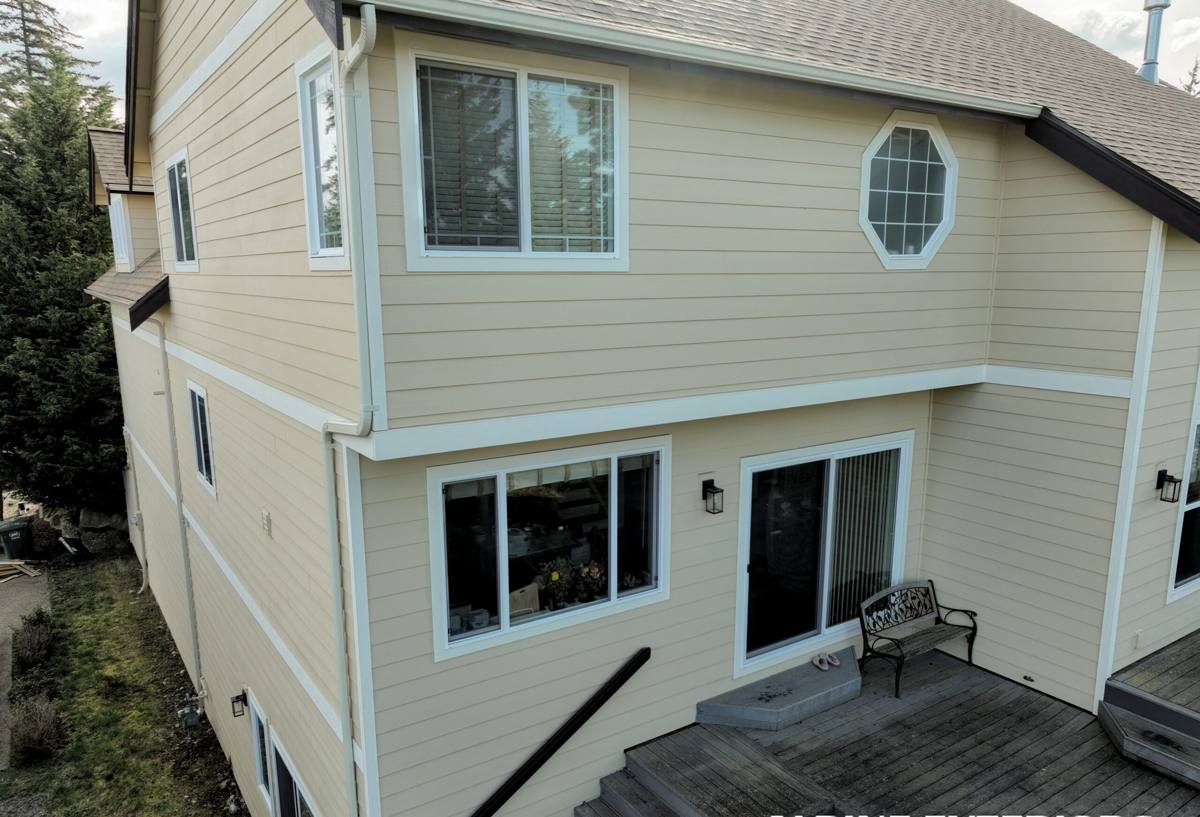
What This Climate Actually Does to a Deck
Moisture That Doesn't Leave
Whatcom County gets a lot of driving rain, and Silver Beach's tree cover means a lot of decks here don't get the sun exposure needed to dry out quickly between storms. Wood that stays damp for days at a time is wood that's vulnerable to rot, especially at joints, fastener holes, and anywhere two pieces of lumber meet tightly enough to trap water.
A Long Moss Season
Moss doesn't need much — shade, moisture, and time — and this area supplies all three for most of the year. On a deck, moss isn't just a cosmetic nuisance. It holds water against the wood surface, keeps boards from drying, and over time it can work into seams and fastener heads, accelerating the exact rot problems the framing is trying to avoid.
Salt and Coastal Air on Metal
Being close to the water means the air carries salt, and salt-laden moisture is hard on any exposed metal — screws, joist hangers, post bases, railing hardware. Standard fasteners can corrode faster here than they would inland, which is why fastener selection matters as much as the lumber choice itself.
What a Correctly Built Deck Needs Here
Ledger Attachment and Flashing
The ledger board — where the deck attaches to the house — is the single most common point of failure on decks in wet climates. If it isn't flashed correctly to shed water away from the house band board, water gets trapped behind it and rot sets in where you can't see it until the deck starts to feel spongy or pull away from the wall. This connection has to be flashed, fastened, and detailed to move water out and away, every time, with no shortcuts.
Corrosion-Resistant Fasteners and Hardware
Given the coastal air and moisture in this area, we don't treat fastener choice as an afterthought. Hot-dip galvanized or stainless connectors, hangers, and screws rated for exterior and coastal exposure cost more up front than standard hardware, but they're the difference between hardware that lasts the life of the deck and hardware that starts rusting and staining the wood within a few years.
Airflow and Drainage Underneath
A deck built low to the ground with poor airflow underneath will trap moisture no matter how good the boards on top are. Proper joist spacing, ventilation gaps, and grading the ground underneath to shed water rather than pool it are part of what separates a deck that dries out between storms from one that stays damp all winter.
Choosing a Decking Material for This Climate
There's no single "right" decking material for every home — it depends on budget, how much upkeep you want to take on, and how much shade and moisture your specific lot deals with. Here's how the common options actually perform under Silver Beach conditions:
| Material | Moisture & Moss Resistance | Maintenance | Typical Lifespan |
|---|---|---|---|
| Pressure-treated lumber | Good if sealed and maintained; treatment protects against rot but surface still needs care | Annual cleaning and periodic resealing | 15–20 years with upkeep |
| Cedar | Naturally rot- and insect-resistant, but shaded/damp spots still grow moss and gray unevenly | Regular cleaning, staining or sealing every 2–3 years | 15–20 years with upkeep |
| Composite / capped composite | Very good — doesn't rot, though moss and algae can still grow on the surface film in shade | Periodic washing; no staining or sealing | 25–30+ years |
In heavily shaded, damp yards like a lot of what we see around Silver Beach, composite decking often earns its higher upfront cost back in avoided maintenance calls. That said, plenty of homeowners prefer the look and feel of real wood and are happy to keep up with the cleaning and sealing — it's a legitimate choice as long as you go in knowing the maintenance commitment.
The Parts of the Job Most Homeowners Never See
What holds a deck together long-term isn't usually visible once the project is finished. This is where a shortcut on a competing bid tends to hide.
- Footings sized and set below frost depth, on soil that's actually been checked for load-bearing capacity
- Post bases that keep wood posts off wet concrete and standing water
- Ledger flashing installed correctly the first time, not caulked over as a workaround
- Joist tape or protective coating on cut ends and top faces of framing lumber
- Corrosion-resistant hardware rated for the coastal exposure this area actually gets
- Proper board spacing and airflow underneath so the structure can dry out between rain events
None of this shows up in a photo of the finished deck, but it's exactly what determines whether you're calling us back in three years about a soft spot, or enjoying the deck for the next two decades.
Permits and Whatcom County Requirements
Most new decks and many significant deck rebuilds in and around Bellingham require a permit, with inspections tied to footings, framing, and guardrail requirements before the job is signed off. Guardrail height, baluster spacing, and stair details all have code requirements that exist specifically because they affect safety, not just aesthetics. We handle the permit process as part of the job rather than leaving it for the homeowner to sort out, and we build to pass inspection the first time.
Keeping a Deck Healthy Once It's Built
What to Watch For
Even a well-built deck needs occasional attention in a climate like this. A few minutes checking these each fall and spring can catch small problems before they become expensive ones:
- Soft or spongy spots underfoot, especially near the ledger board or stairs
- Moss or algae buildup in board gaps, corners, or anywhere shaded most of the day
- Rust streaks around screw heads or metal connectors
- Gaps or separation where the deck meets the house
- Standing water that doesn't drain within a few hours after rain
- Loose or wobbly railings and stair stringers
Catching any of these early is usually a small repair. Ignoring them through another wet season is how a repair turns into a rebuild.
Our Process for a Silver Beach Deck Project
We walk the site first, because the right build depends on the specific lot — sun exposure, slope, drainage, tree cover, and how the deck ties into the house all shape the plan. From there we talk through material options honestly, including the maintenance tradeoffs, and put together a plan that fits the budget without cutting corners on the parts that determine longevity. Once we're building, that means correct footings, proper ledger flashing, corrosion-resistant hardware, and framing detailed for drainage and airflow — not just decking installed on top of whatever's underneath. We pull the necessary permits, coordinate inspections, and walk the finished deck with you before calling the job done.
Why Local Experience in Silver Beach Matters
A crew that mostly builds decks in drier climates will often use methods that are perfectly fine there and inadequate here — lighter flashing details, standard hardware instead of corrosion-resistant, decking choices that don't account for how little sun a shaded lot actually gets. We work throughout Bellingham and Whatcom County, and building for this specific combination of rain, shade, moss, and coastal air is simply part of how we plan every job, not an upgrade you have to ask for.
If you're planning a new deck or dealing with an aging one in Silver Beach, we're happy to take a look and give you an honest, no-pressure estimate — just fill out the form below.