 Bellingham Exterior
 Why Birchwood Homes Take a Harder Hit From the Elements
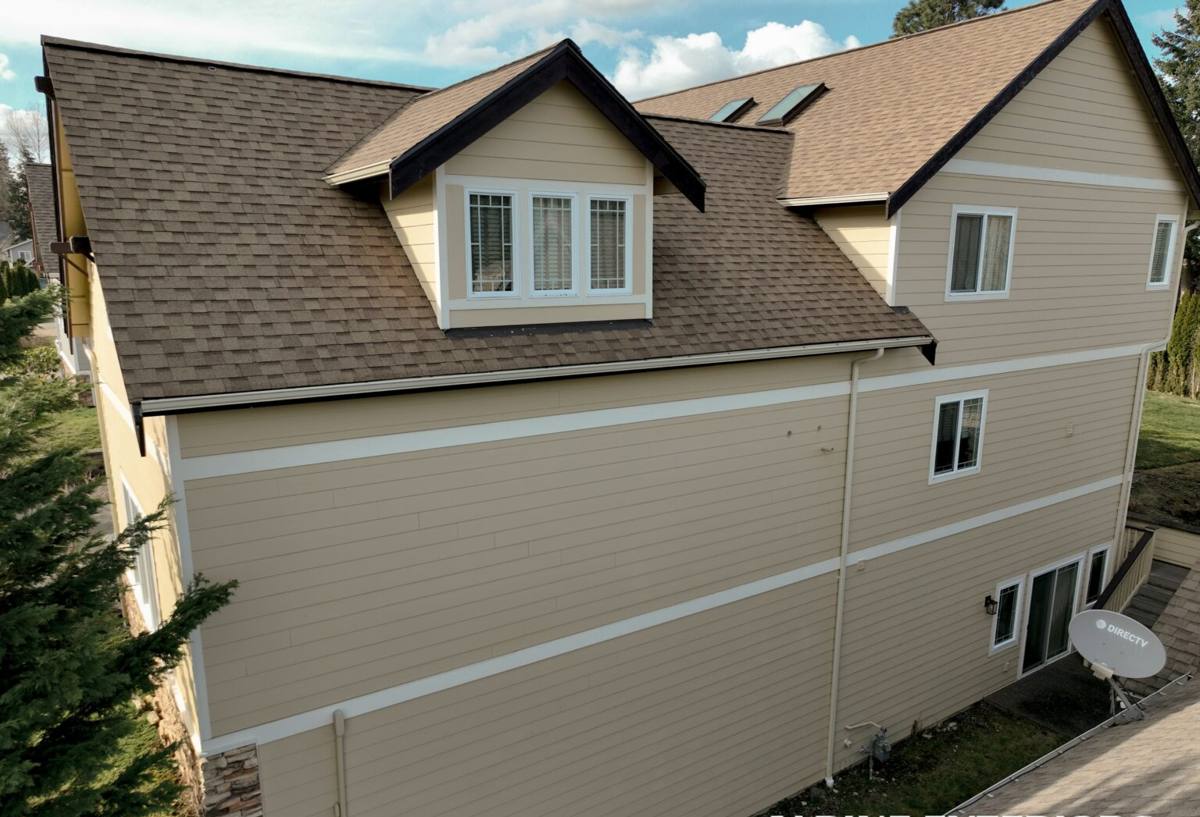
Birchwood is a mature, well-established part of Bellingham, and that maturity cuts both ways for siding. Established tree canopy means shaded roof and wall sections that stay damp for days after a storm passes. Proximity to Bellingham Bay means a steady drift of salt-laden air working its way into every seam, nail hole, and lap joint on the exterior. Add Whatcom County's long, low-intensity rainy season — the kind that drives sideways into west- and south-facing walls for weeks at a stretch — and you have three separate stressors converging on the same siding, year after year.
Most siding products are rated for "normal" exposure. Birchwood's exposure isn't normal. It's the combination of salt air, driving rain, and a moss season that can run from October through May that separates homes that need a full siding replacement every 15-20 years from homes that need one every 30-plus. The material and the installation both matter here — you can't fix a climate mismatch with caulk.
How Salt Air, Rain, and Moss Actually Damage Siding
Salt Air
Salt is hygroscopic — it pulls moisture out of the air and holds it against whatever surface it settles on. On wood-based siding, that means the surface stays damp longer than it would inland, which accelerates rot at seams and fastener points. On metal fasteners and trim, salt accelerates corrosion, which is why fastener choice and flashing detail matter as much as the siding panel itself in a bay-adjacent neighborhood like Birchwood.
Driving Rain
Wind-driven rain doesn't just wet the face of the siding — it gets forced upward and sideways into laps, seams, and butt joints that were designed for water running straight down. If the water-resistive barrier behind the siding, the flashing above windows and doors, and the lap spacing aren't all correct, driving rain finds the one weak point and works it for months at a time.
Moss and Algae
Shaded, damp wall sections in Birchwood's tree-covered lots grow moss and algae the same way a north-facing roof does. On porous or absorbent siding materials, that growth holds moisture against the substrate and can accelerate deterioration underneath a surface that still looks intact from the sidewalk. Moss also traps organic debris in laps and trim returns, which keeps those areas wet even between storms.
Signs Your Birchwood Home Is Due for Siding Replacement
- Soft or spongy spots when you press on the siding, especially near the bottom courses and around windows
- Persistent moss or algae staining that comes back within weeks of cleaning
- Visible cupping, buckling, or separation at panel seams and butt joints
- Paint that's failing faster than it used to, or that won't hold a fresh coat
- Rising energy bills that track with drafts you can feel near exterior walls
- Bubbling, peeling, or a chalky residue on wood-based or engineered wood products
- Visible fastener corrosion or rust streaking below nail heads
- Interior signs — musty smells, damp drywall, or discoloration on walls that back up to exterior siding
Any one of these on its own might be a repair. Several at once, especially on a home that's had the original siding for 20-plus years, usually means the underlying moisture barrier has been compromised and a full replacement is the more honest recommendation than another round of patching.
What a Correct Siding Replacement Actually Involves
Siding replacement isn't just removing old panels and nailing up new ones. In a climate like Bellingham's, the work that happens between tear-off and the first new panel going up is what determines whether the new siding lasts 10 years or 40.
Tear-Off and Inspection
Old siding comes off in full, not patched around, so the sheathing underneath can actually be inspected. This is where hidden rot, soft sheathing, or old moisture damage gets found and fixed — problems that a "reside over the old siding" approach would just seal in.
Water-Resistive Barrier
A new, continuous water-resistive barrier goes on before any siding, lapped correctly so water sheds down and out rather than behind the barrier. This is the single most important layer for a home dealing with driving rain off the bay, and it's completely invisible once the job is done — which is exactly why it has to be done right the first time.
Flashing at Every Penetration
Windows, doors, hose bibs, vents, and light fixtures are all places where water looks for a way in. Correct flashing at each of these, integrated with the water-resistive barrier rather than just caulked over it, is what actually stops driving rain — caulk alone is a maintenance item, not a solution.
Correct Fastening and Clearances
Fastener type, spacing, and depth all affect long-term performance, and clearance between the bottom of the siding and grade, decks, and roof lines keeps splash-back and standing moisture away from the material. These are manufacturer specifications, not preferences, and skipping them is one of the most common ways a siding job fails early.
Why We Install Only James Hardie Fiber Cement
We install James Hardie siding exclusively, and Birchwood's climate is a big part of why. Hardie's fiber cement is non-combustible and doesn't rot, swell, or feed moss and algae growth the way wood-based or engineered wood products can. The factory-applied ColorPlus finish is baked on under controlled conditions, which holds color and resists the fading and chalking that salt air and UV exposure accelerate on field-painted materials. Hardie's HZ5 product line is specifically engineered for climates with high moisture exposure, which describes Birchwood's combination of bay proximity, rainfall, and shade almost exactly.
We don't install vinyl, LP SmartSide, Cemplank, Allura, or primed wood siding. Each of those products has legitimate uses elsewhere, but in this specific climate — driving rain, salt air, and a long moss season — we've seen enough of them fail early to no longer put our name behind installing them here. Hardie backed by correct installation is what we're willing to warranty and stand behind.
How the Common Options Compare for This Climate
| Material | Moisture Resistance | Moss/Algae Resistance | Salt Air Durability | Finish Longevity |
|---|---|---|---|---|
| James Hardie Fiber Cement | Excellent | Strong resistance, doesn't feed growth | Excellent, non-corrosive material | Factory ColorPlus finish, long-lasting color hold |
| Vinyl | Fair — can warp and gap over time | Moderate, growth sits on surface | Can become brittle in salt/UV exposure | Color fades, cannot be repainted easily |
| LP SmartSide / Engineered Wood | Good if perfectly maintained, vulnerable at cut edges | Moderate, more absorbent than fiber cement | Fasteners and edges more exposed to corrosion/swelling | Field-applied finishes need more frequent upkeep |
| Primed Wood / Cedar | Fair to poor without diligent upkeep | Low, organic material feeds growth | Salt accelerates rot at seams and fasteners | Requires regular repainting/resealing |
Cost Factors for a Birchwood Siding Replacement
Every home is different, but the same handful of factors drive the price on most Birchwood siding replacement projects. We walk through all of these during a free estimate rather than quoting off a phone call, because guessing at any of them leads to change orders later.
| Factor | Why It Matters Here |
|---|---|
| Sheathing condition | Rot found during tear-off, common on homes with hidden moisture damage, adds repair scope before new siding can go on |
| Home size and wall complexity | Dormers, bump-outs, and multiple gables mean more cutting, flashing, and labor per square foot |
| Siding profile choice | Lap width and texture (smooth vs. cedar-textured) affect material cost and install time |
| Trim and accessory scope | Full trim replacement alongside siding is more efficient than doing them as separate projects later |
| Access and site conditions | Mature landscaping, tight side yards, and sloped lots common in Birchwood can affect staging and labor time |
Our Process, Start to Finish
- Free on-site estimate. We look at your current siding, walls, and trim in person and talk through what we're seeing before you commit to anything.
- Inspection during tear-off. Old siding comes off, sheathing gets inspected, and you're told immediately if we find anything unexpected before we move forward.
- Water-resistive barrier and flashing. The invisible layer goes on correctly, lapped and integrated at every window, door, and penetration.
- James Hardie installation to manufacturer spec. Fastening, clearances, and joint treatment follow Hardie's published requirements, not shortcuts.
- Trim, caulking, and final walkthrough. We finish the details and walk the job with you before calling it done.
Why a Crew That Already Works Birchwood Matters
A contractor who's worked other homes in this neighborhood already knows which wall orientations take the worst of the driving rain, where shade patterns keep siding damp longest, and how salt exposure from the bay tends to show up on fasteners and trim first. That's not a marketing point — it changes real decisions on your job, from where extra flashing attention goes to which wall gets a closer look during the estimate. It also means we're not learning Whatcom County's climate on your house.
After Installation: Keeping Hardie Siding Looking Right
Hardie fiber cement is low-maintenance compared to the alternatives, but "low-maintenance" isn't "no-maintenance" in a climate like this one. A yearly rinse to clear moss, pollen, and salt residue off shaded and bay-facing walls keeps the ColorPlus finish looking like it did on install day. Keeping gutters clear and trimming back vegetation that shades wall sections both reduce how long those areas stay damp after a storm — which matters more here than in drier parts of the state.
If you're seeing any of the warning signs above, or you just want an honest read on how much life is left in your current siding, we're happy to take a look. The estimate is free, there's no pressure, and you'll get a straight answer about whether replacement makes sense now or can reasonably wait.