 Bellingham Exterior
 Asphalt Shingle Roofing for Columbia Homes
The Columbia neighborhood sits close enough to Bellingham Bay that salt-laden air is part of daily life, and close enough to the forested hillsides that shade, moisture, and moss are never far behind. Asphalt shingle roofing is still the most practical choice for most homes in this part of Whatcom County — it's proven, repairable, and available in a range of budgets — but it only performs well here when it's installed with this exact climate in mind. A shingle roof that would be fine in a dry inland climate can fail early in Columbia if the underlayment, ventilation, and flashing details aren't matched to what this neighborhood actually deals with year-round.
This page covers what a correctly built asphalt shingle roof looks like for a Columbia home, what the climate does to roofs here specifically, and how we approach the job from first inspection to final cleanup.
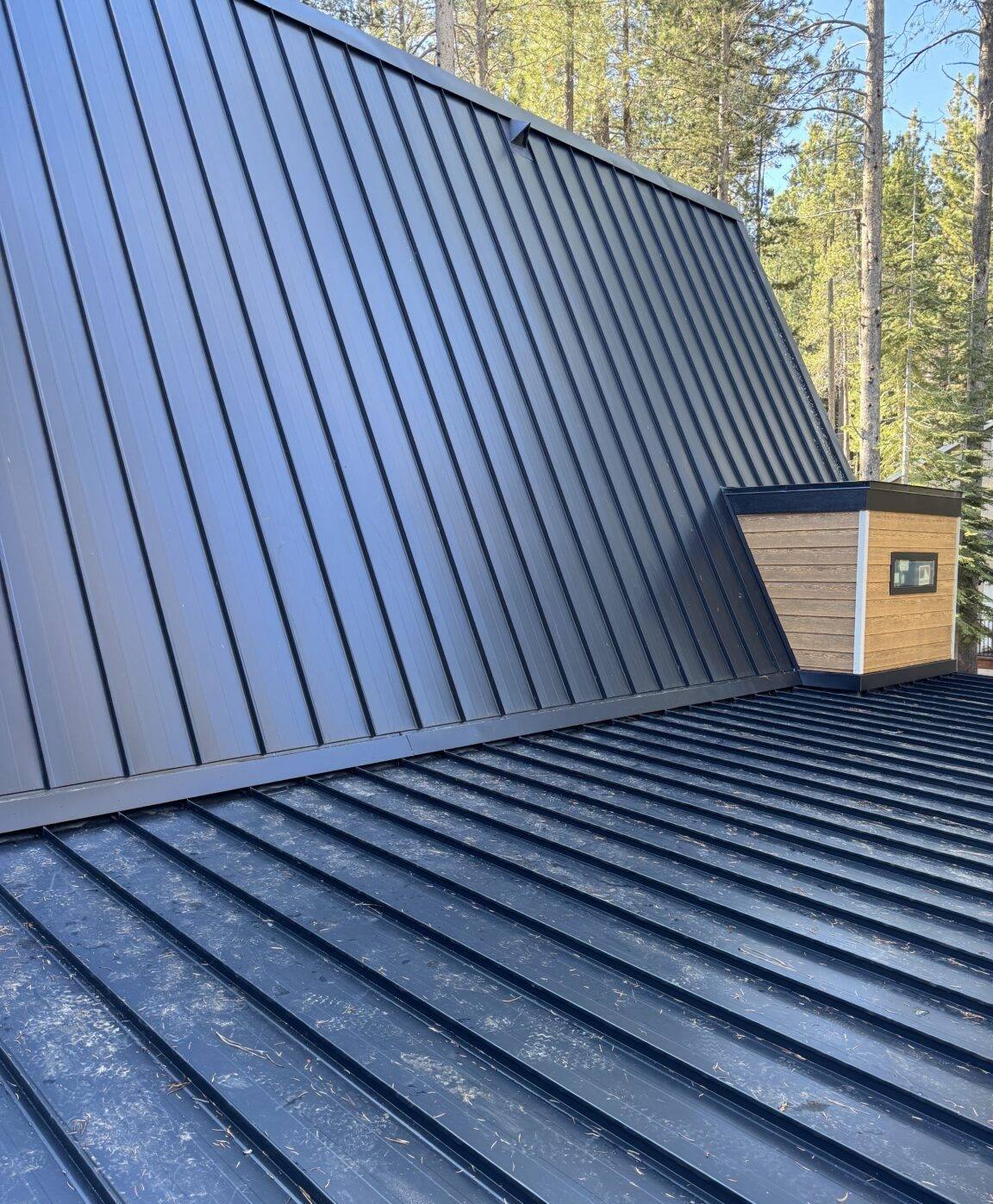
What Columbia Roofs Are Actually Up Against
Three things drive most of the shingle roofing problems we see on homes in and around Columbia:
Driving Rain
Bellingham doesn't just get a lot of rain — a good share of it arrives sideways, pushed by wind off the bay and the Strait of Georgia. Wind-driven rain finds its way under shingles that are properly lapped for straight-down rain but not for water pushed uphill under the tab line. Roof valleys, wall-to-roof transitions, and chimney flashing take the brunt of this and are where we see the most weather-related leaks on older roofs in the area.
A Long Moss Season
Between the tree cover common in Columbia's older residential streets and the region's long stretch of wet, mild weather, moss has months to establish itself on north-facing slopes and shaded roof planes. Moss isn't just cosmetic — it holds moisture against the shingle surface, works its way under tab edges, and gradually lifts granules loose, which shortens the life of the roof underneath it.
Salt Air
Being near the bay means metal roofing components — flashing, fasteners, vent stacks, drip edge — are exposed to a slow corrosive process that inland homes don't deal with. Standard fasteners and untreated metal flashing corrode faster here, which is why material choice on the metal components matters as much as the shingle itself.
What a Correctly Installed Shingle Roof Includes
A shingle roof is a system, not just a layer of shingles. Skipping or downgrading any one of these components is where premature leaks usually start.
Underlayment and Water-Resistant Barrier
Synthetic underlayment goes down over the entire deck as the roof's backup line of defense. In eaves, valleys, and around any roof penetration — the spots most exposed to wind-driven rain and ice damming during cold snaps — we install self-adhering ice-and-water membrane rather than relying on underlayment alone.
Ventilation
Attic ventilation controls moisture buildup from the inside, which matters as much as keeping rain out from the outside. A shingle roof with poor intake or exhaust ventilation traps humid air, which condenses on the roof deck and accelerates rot and premature shingle aging from underneath — a slow failure that's easy to miss until the deck itself is compromised.
Flashing
Step flashing at walls, counter-flashing at chimneys, and properly lapped valley flashing are what actually stop water at the roof's weak points — the field of shingles is the easy part. Given the salt air near the bay, we use corrosion-resistant metal on these components rather than standard galvanized steel, which pits and rusts faster this close to saltwater.
Fastening and Nailing Pattern
Manufacturer nailing patterns exist for a reason, and going light on nail count — or nailing high on the shingle instead of in the manufacturer's designated zone — is a common shortcut that shows up later as blow-offs during winter windstorms. We follow the pattern the shingle is rated for, not the fastest one.
Choosing the Right Shingle for This Climate
Not every shingle line is worth the same premium in a moss-prone, salt-air environment. Here's how the common options compare for a Columbia home specifically:
| Shingle Type | How It Handles This Climate | Relative Cost |
|---|---|---|
| 3-Tab (standard) | Lowest upfront cost but the shortest lifespan; wind ratings are typically lower, which matters given the area's storm gusts | Lowest |
| Architectural / Laminate | Thicker, better wind resistance, and better moisture shedding on multi-plane roofs common in the neighborhood; the standard we recommend for most homes here | Moderate |
| Algae-Resistant (AR) Laminate | Copper-infused granules resist the algae and moss staining that shaded, damp roof planes are prone to; worth the upgrade on north-facing or tree-covered roofs | Moderate to higher |
| Impact-Rated (Class 4) | More resistant to debris impact during windstorms; not required here but some insurers offer a premium discount | Higher |
For most Columbia homes, an algae-resistant architectural shingle is the practical middle ground — the moss resistance pays for itself in reduced maintenance and a longer usable roof life, without pushing the budget into impact-rated territory that isn't necessary for this area's typical weather risk.
Our Process, Start to Finish
- Inspection. We get on the roof, not just in the attic — checking deck condition, existing flashing, ventilation, and the extent of any moss or granule loss before quoting anything.
- Written Estimate. A clear scope of work and price before any commitment, including whether a full tear-off is needed or the existing layer can be removed and the deck reused.
- Tear-Off and Deck Check. Old material comes off down to the deck so we can actually see and repair any soft or water-damaged sheathing — a step that gets skipped on cheaper "roof-over" jobs and causes problems later.
- Underlayment, Flashing, and Ventilation Install. The system components go in first and get inspected before a single shingle is laid.
- Shingle Installation. Installed to the manufacturer's nailing pattern and exposure spec, not a shortcut version of it.
- Cleanup and Walkthrough. Site cleared of debris and old material, magnetic sweep for stray nails, and a walkthrough so you know exactly what was done and what to watch for going forward.
Moss, Algae, and Keeping a Roof Healthy Longer
The single biggest thing a Columbia homeowner can do to extend a shingle roof's life is stay ahead of moss before it takes hold. A few habits go a long way:
- Keep overhanging branches trimmed back to reduce shade and debris buildup on the roof surface
- Clear gutters and valleys of needles and leaves at least twice a year — clogged valleys are where wind-driven rain finds its way under shingles
- Have moss physically removed (not scraped aggressively) rather than left to spread, since it damages granules the longer it sits
- Avoid pressure washing shingles — it strips granules and shortens the roof's life faster than the moss itself would
- Have zinc or copper strips installed near the ridge on shaded roof planes to slow future moss growth
- Schedule a roof check after major windstorms, since lifted or cracked shingles are easy to miss from the ground
Why a Crew That Already Works Columbia Matters
A roofing crew that regularly works this neighborhood already knows which roof pitches and orientations tend to hold moss longest, which older homes are more likely to have outdated flashing details, and how to sequence a job around Bellingham's rain patterns instead of guessing. That local familiarity shows up in fewer surprises mid-job — knowing to check for a particular flashing style common on homes of a certain age, or planning a tear-off around a realistic weather window rather than hoping it holds off. It also means we're not learning the area's quirks on your roof; we've already seen them on the ones down the street.
Warranty and Materials
We work with established shingle manufacturers and install to their published specifications so the manufacturer's material warranty stays valid — cutting corners on underlayment or nailing pattern is one of the fastest ways to void that coverage without realizing it. We back our own installation work separately, and we'll walk you through exactly what's covered by the manufacturer versus what's covered by us before any work begins, so there's no confusion later if a question comes up.
Get a Straight Answer on Your Roof
If you're dealing with moss buildup, a leak that's been nagging you, or a roof that's simply reaching the end of its useful life, we're glad to take a look and give you a straightforward, no-pressure estimate — no upsell, just what your roof actually needs. Use the form below to get started.