 Bellingham Exterior
 Why Window Performance Matters More in Barkley
Barkley sits inside Bellingham's broader Whatcom County climate, and that climate is not gentle on a home's windows. Salt air drifting in off the water accelerates corrosion on hardware and weakens weaker seals faster than a dry inland climate would. Driving rain gets pushed sideways by wind often enough that it finds its way into gaps a calmer climate would never test. And a moss season that runs long through fall, winter, and much of spring keeps shaded walls and window surrounds damp for extended stretches. None of that is dramatic in the moment. It shows up slowly, as fogged glass, drafts, sticking sashes, and heating bills that creep upward year after year.
Windows are one of the largest sources of energy loss in most homes, and in a climate that swings between damp winters and warm, increasingly common summer heat spikes, a poorly performing window costs a Barkley homeowner twice — once in wasted heating and cooling, and again in the moisture damage that follows when seals fail and water starts working its way behind trim and siding.
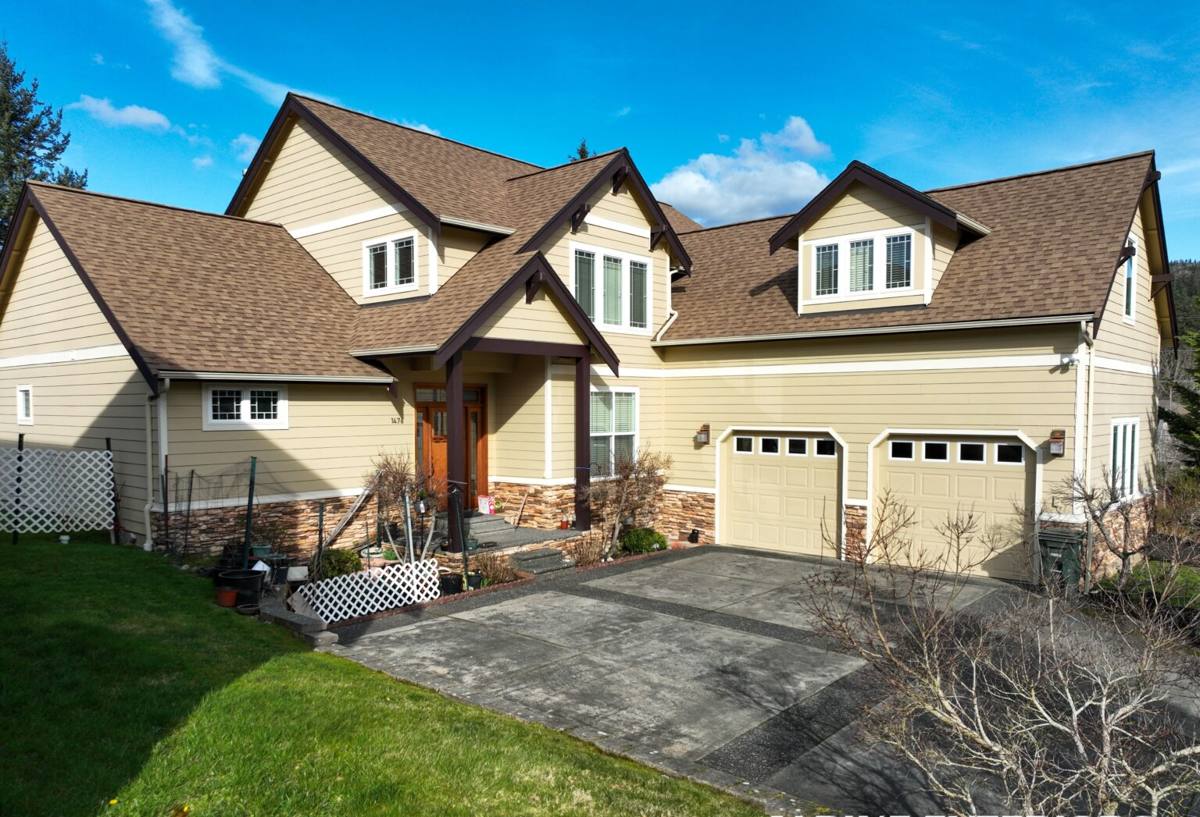
What "Energy-Efficient" Actually Means
The term gets used loosely in the window industry, so it's worth being specific about what actually determines whether a window performs well in this climate. Three numbers matter most, and any reputable window will have them clearly labeled through the National Fenestration Rating Council (NFRC).
U-Factor
U-factor measures how much heat a window lets escape. Lower is better. In a climate like Whatcom County's, where homes rely on heating for a large part of the year, a low U-factor is the single biggest factor in whether a window actually saves money on energy bills.
Solar Heat Gain Coefficient (SHGC)
SHGC measures how much solar heat passes through the glass. The right number depends on orientation and exposure — a south-facing window on a home that gets real summer sun benefits from a lower SHGC to reduce overheating, while a north-facing window in a shaded, moss-prone spot has less need to manage solar gain and more need to manage moisture and drafts.
Air Leakage
This one is often overlooked but matters enormously in a driving-rain climate. A window can have excellent glass and still perform poorly if the frame and sash don't seal tightly, because wind-driven rain will find any gap in the weatherstripping or frame assembly.
Beyond these three ratings, the glass package itself matters. Low-E (low-emissivity) coatings reflect heat back into the home in winter and block excess solar heat in summer without noticeably changing how much light comes through. Most efficient windows today pair two panes of glass with an inert gas fill — usually argon — between them, which insulates far better than plain air. Triple-pane glass adds a third layer of insulation and is worth considering on north-facing or particularly exposed walls, though it isn't always necessary on every opening in a home.
Frame Materials: What Holds Up in This Climate
Glass performance gets most of the attention, but frame material determines how long that performance lasts. In a salt-air, high-moisture environment, some materials hold their seal and shape far better than others over a 20-plus-year service life.
| Frame Material | Performance in Barkley's Climate | Maintenance Burden |
|---|---|---|
| Vinyl | Good insulation value, resists moisture well, but can expand and contract with temperature swings, which stresses seals over time | Low — no painting, occasional cleaning |
| Fiberglass | Very stable dimensionally, holds seals tightly through temperature and humidity swings, strong long-term performer in wet climates | Low |
| Wood | Excellent natural insulator but vulnerable to moisture absorption, swelling, and rot without diligent upkeep | High — regular painting or sealing required |
| Aluminum | Durable and low-maintenance, but conducts heat and cold readily unless thermally broken, which hurts energy performance | Low |
| Composite | Blends wood-like appearance with better moisture resistance; performance varies by manufacturer and construction | Low to moderate |
We steer most Barkley homeowners toward vinyl or fiberglass frames specifically because of how this climate behaves. Wood-framed windows can look excellent, but in a location with this much sustained dampness and moss pressure, the maintenance commitment required to keep them performing is significant, and a missed paint cycle can lead to real moisture damage at the frame before it's visible from inside the house.
What a Correct Installation Actually Involves
The window unit itself is only part of the equation. In a driving-rain climate, how a window is installed determines whether it actually stays watertight — a high-end window installed with poor flashing will leak long before a modest window installed correctly will.
Flashing and Water Management
Proper installation means integrating window flashing with the home's water-resistive barrier so that any water that does reach the opening is directed back out and down, never trapped behind the wall assembly. This is one of the most common places we find shortcuts taken on prior installations in this area, and it's usually the reason a homeowner ends up with staining or soft framing around a window years after a replacement.
Air Sealing and Insulation
The gap between the window frame and the rough opening needs to be sealed and insulated correctly — not stuffed with excess spray foam, which can bow the frame and interfere with proper operation, and not left with gaps that undercut the window's rated performance. Getting this right is as much about the labor as it is about the product.
Sill Pans and Sloping
A sill pan under the window opening, sloped to shed any water that gets past the primary seal, is a standard part of doing this correctly in a wet climate. It's an extra step some installers skip because it isn't visible once the window is in, but it's one of the details that separates an installation built for this region from a generic one.
Our Process for Barkley Window Projects
We approach every window project the same structured way, adjusted to what a specific home and opening actually need.
1. On-Site Assessment
We look at each window opening individually — not just the glass, but the condition of the framing, sill, and any existing water staining or soft spots that indicate a moisture problem already underway. Orientation matters too, since a south-facing window and a shaded north-facing window in the same house can have different ideal specifications.
2. Product Selection
We walk through frame material, glass package, and performance ratings based on that specific opening's exposure, not a one-size-fits-all recommendation. A home with heavy tree cover and persistent shade gets different guidance than one with open southern exposure.
3. Removal and Prep
Old windows come out carefully, and we inspect the rough opening for rot, water damage, or inadequate flashing from the original construction before anything new goes in. Any damaged framing gets addressed before the new window is set — installing a new window into a compromised opening just locks the existing problem behind new trim.
4. Installation
New windows are set, shimmed level and square, flashed and sealed to manage water correctly, and insulated around the frame without over-packing. Sashes are checked for smooth operation before we consider the job finished.
5. Final Walkthrough
We check operation, sealing, and appearance with the homeowner before wrapping up, and we're straightforward about any additional trim, siding, or finish work an opening might need to look complete.
Signs Your Current Windows Are Costing You Money
Most window failures don't happen suddenly. They show up gradually, and by the time they're obvious, a home has often been losing energy — and money — for a while.
- Visible condensation or fogging between panes, which means the seal between the glass layers has failed
- Noticeable drafts near the frame, especially on windy, rainy days
- Windows that are difficult to open, close, or lock properly
- Soft or discolored trim, sill, or wall area around the window frame
- Visible moss, mildew, or persistent dampness on or around the frame
- Rooms near windows that feel noticeably colder in winter or warmer in summer than the rest of the home
- A heating bill that's climbed over recent years without a clear explanation
Any one of these on its own is worth a look. Several together usually mean the windows have moved past the point where minor repair will solve the underlying issue.
What Affects the Cost of a Window Project
Every home and project is different, but the same handful of factors tend to drive cost up or down. We give homeowners a straightforward, itemized estimate rather than a vague range, but it helps to understand what's actually being priced.
| Factor | Why It Matters |
|---|---|
| Frame material | Vinyl is typically the most affordable; fiberglass and wood cost more upfront but differ in long-term maintenance and performance |
| Glazing package | Double-pane with Low-E and argon fill is standard; triple-pane adds cost but may be worth it on exposed or north-facing walls |
| Number and size of openings | Larger and more numerous windows increase material and labor cost directly |
| Condition of the existing opening | Rot, water damage, or out-of-square framing found during removal adds repair work before the new window can be set correctly |
| Installation type | A full-frame replacement, which addresses the flashing and rough opening, typically costs more than an insert replacement but often performs better long-term in a wet climate |
We're upfront when a less expensive option — like an insert replacement into a sound existing frame — is genuinely appropriate, and equally upfront when it isn't, such as when the existing opening already shows water damage that needs to be addressed at the source.
Why a Crew That Already Works Barkley Matters
Window performance is only as good as the installation behind it, and installation quality depends heavily on understanding the specific conditions a home is facing. A crew that regularly works Barkley and the surrounding Bellingham area already knows how salt air, driving rain, and prolonged moss exposure behave on this kind of housing stock — which orientations tend to take the worst weather, which older construction details tend to need extra attention during removal, and which flashing and sealing approaches actually hold up through a full Whatcom County year rather than just looking finished on install day.
That local familiarity shows up in small decisions throughout a project — how a sill pan is sloped, how much clearance is left at the bottom of a frame, which sealants are rated to stay flexible through this region's temperature and humidity swings. None of it is visible once the trim goes back on, but it's the difference between a window that performs for two decades and one that starts showing problems within a handful of years.
Maintaining Efficient Windows in a Wet Climate
Even a well-installed, high-performance window benefits from basic upkeep in this climate. Keeping weep holes clear of debris and moss allows water to drain out of the frame the way it's designed to. Periodically checking exterior caulking and weatherstripping for gaps catches small issues before they become drafts or leaks. Wiping down tracks and hardware helps prevent the corrosion that salt air accelerates. None of this is demanding, but it's worth doing on a seasonal basis rather than assuming a new window is maintenance-free indefinitely.
If your Barkley home has windows that are drafty, fogged, hard to operate, or simply older than they should be for how they're performing, we're glad to take a look and walk you through honest, straightforward options. Reach out using the form below to schedule a free, no-pressure estimate.