 Bellingham Exterior
 Windows Built for York's Wet, Salt-Tinged Climate
The York neighborhood sits close enough to Bellingham Bay and the Salish Sea that homes here deal with a steady mix of moist marine air, wind-driven rain, and long stretches of overcast, damp weather every year. Add in Whatcom County's extended moss season and the shaded, tree-lined streets common in older York blocks, and you have a climate that is genuinely hard on windows. Frames absorb moisture, seals get stressed by constant temperature and humidity swings, and glass that isn't doing its job shows up as cold drafts, foggy corners, and higher heating bills all winter long.
Energy-efficient windows are not just a comfort upgrade in this environment — they are a practical response to the specific conditions York homes face. Done right, they cut down on condensation, resist the moisture that drives rot and mold, and keep heating costs from climbing every time the wind picks up off the water.
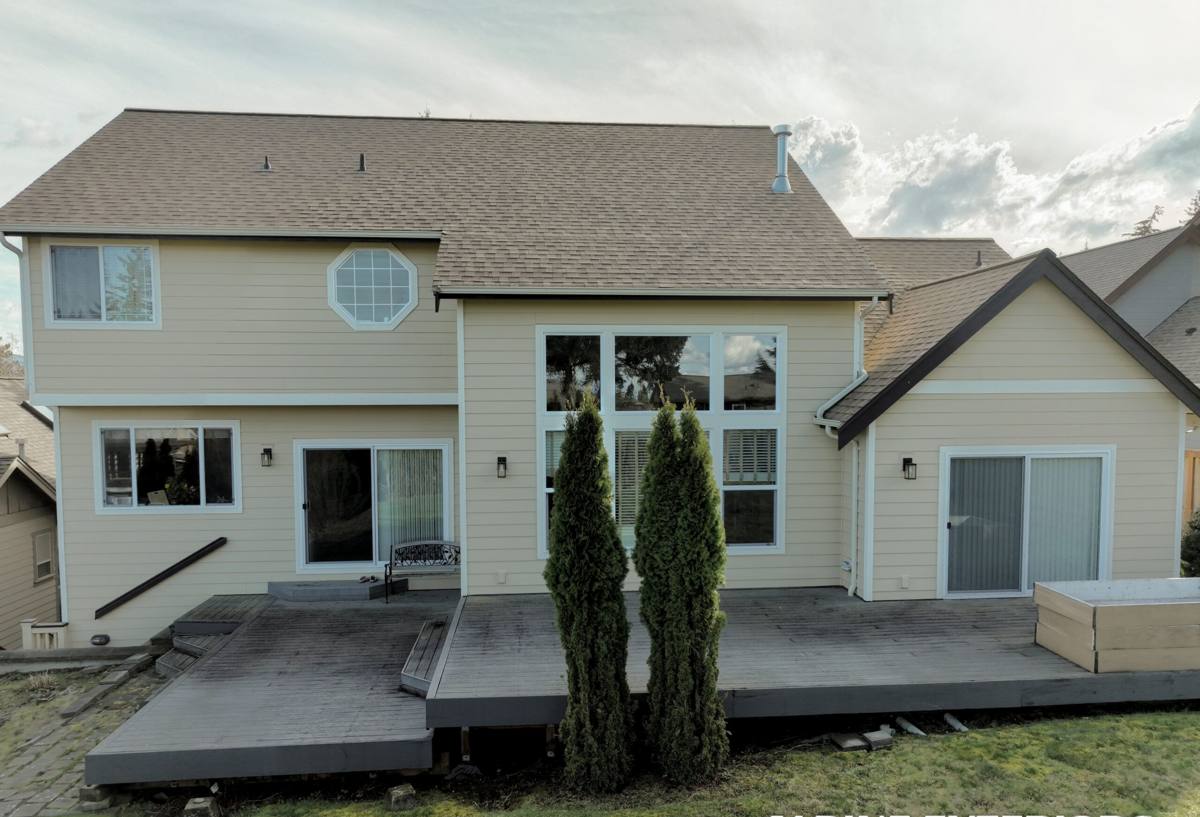
What "Energy-Efficient" Actually Means for a Bellingham Home
"Energy-efficient" gets used loosely in the window industry, so it helps to know what actually matters for a home in this part of Washington. A few ratings and features do the real work:
- U-factor — measures how well the window resists heat loss. Lower numbers matter most here, since Whatcom County winters are long and mild but persistently damp and cold.
- Solar Heat Gain Coefficient (SHGC) — measures how much solar heat passes through the glass. York's tree cover and northern latitude mean less direct sun than other parts of the state, so this matters less than U-factor, but it still affects rooms with southern or western exposure.
- Condensation resistance — arguably the most locally relevant rating. Homes near the water deal with more humidity indoors and out, and a window with poor condensation resistance will fog and sweat on cold mornings, which over time feeds mold and rot at the sill.
- Air leakage rating — lower is better, and it's a direct predictor of draft complaints in older York homes with settled framing.
Look for the NFRC (National Fenestration Rating Council) label on any window you're considering — it lists these numbers plainly and lets you compare products on the same terms instead of relying on marketing language.
Glazing and Coatings That Matter Here
Double-pane (dual-glazed) windows with a low-E coating and an inert gas fill — usually argon — are the standard for most York homes and perform well for the climate. Triple-pane windows offer a modest additional bump in insulation and are worth considering for north-facing rooms or homes right along a wind corridor, but the added cost doesn't always pencil out unless comfort in a specific room is a real problem. Low-E coatings reflect heat back into the room in winter and are the single feature that does the most work for a marine climate like this one.
Common Window Problems We See Around York
A lot of the York neighborhood was built in eras when aluminum-frame single-pane windows were standard, and many homes still have original or first-generation replacement windows. The problems tend to repeat:
- Aluminum frames that conduct cold straight through, leaving cold spots and condensation on the interior frame even when the glass itself is fine.
- Wood sills and jambs softened by years of driving rain finding its way past aging caulk and flashing.
- Failed seals on older dual-pane units, visible as a permanent haze or fog trapped between the panes.
- Moss and algae staining on sills and exterior trim from the shaded, damp conditions common on tree-covered lots.
- Drafts around window frames where original flashing was minimal or has degraded over decades of freeze-thaw and moisture cycling.
None of these are unusual for a coastal Pacific Northwest home of a certain age — but they do mean a window job here needs to account for moisture management as much as it accounts for glass performance.
What a Correct Installation Actually Involves
Energy-efficient glass only performs as well as the installation around it. A window that's well-rated on paper but poorly flashed and sealed will still leak air and let moisture into the wall cavity — which is a bigger problem in this climate than a slightly higher U-factor. A correct job includes:
- Removing the old window and inspecting the rough opening for rot, soft wood, or existing moisture damage before anything new goes in.
- Repairing or rebuilding any compromised framing — installing a new window into a wet or rotted opening just traps the problem behind new trim.
- Installing proper flashing and a weather-resistant barrier that directs water out and away from the opening, sequenced correctly with the house wrap.
- Setting the window level, plumb, and square, then insulating the gap between frame and rough opening without overpacking it, which can bow the frame.
- Sealing the interior and exterior with the right sealants for the surface — not just caulk over everything.
- Finishing trim work that sheds water rather than holding it against the frame.
This is the part of the job that determines whether a window performs well for twenty years or starts failing in five. It's also the part that's easy for a rushed crew to shortcut, since it's covered up by trim once the job is done.
Our Process for York Homeowners
We keep the process straightforward and try to minimize disruption to your home:
1. On-Site Assessment
We look at each window individually — not every window in a York home needs the same fix. Some need full replacement, others just need re-sealing, new flashing, or hardware repair. We also check for underlying moisture or framing issues while we're there, since those are common in homes exposed to this much rain over the years.
2. Product Selection
We walk through frame material, glazing, and performance ratings in plain terms, matched to your budget and to which side of the house the window faces. There's no reason to over-spec a window for a sheltered interior wall the same way you would for one facing prevailing wind and rain.
3. Precise Measurement and Ordering
Older homes rarely have perfectly standard openings, so we measure carefully and order to the actual conditions of your house rather than a stock size.
4. Installation
Removal, framing repair where needed, proper flashing and sealing, and a clean finish — done efficiently, with the work site protected and cleaned up daily.
5. Final Walkthrough
We check operation, seals, and finish work with you before we consider the job done, and explain anything you'll want to keep an eye on going forward.
Comparing Frame Materials for a Marine Climate
Frame material affects both energy performance and how the window holds up against years of damp, salt-tinged air. Here's how the common options compare for a home in this part of Whatcom County:
| Frame Material | Moisture Resistance | Maintenance | Relative Cost |
|---|---|---|---|
| Vinyl | Very good — won't rot, resists corrosion | Low — occasional cleaning | Lower |
| Fiberglass | Excellent — dimensionally stable in temperature and humidity swings | Low | Higher |
| Wood (unclad) | Poor without diligent upkeep — vulnerable to the rot common on this coast | High — regular painting/sealing | Moderate to higher |
| Wood-clad (exterior vinyl or aluminum shell) | Good — exterior is protected, interior keeps wood look | Moderate | Higher |
| Aluminum | Fair — corrosion-resistant but conducts cold and often condenses | Low | Lower to moderate |
For most York homes, vinyl or fiberglass frames offer the best balance of performance and long-term maintenance given the amount of rain and humidity the exterior of the house has to shed. Unclad wood can still make sense for homes where matching an existing architectural style matters, but it's a real maintenance commitment in this climate — that's a trade-off we'll always be upfront about rather than talk you out of what you actually want.
How This Affects Your Heating Bills and Comfort
Whatcom County winters aren't extreme in temperature, but they're long, damp, and windy near the water — the kind of cold that gets into a house through drafts and cold glass rather than through a single hard freeze. Replacing poorly performing windows typically shows up as fewer cold drafts near seating areas, less condensation fogging up the glass on cold mornings, and a furnace that isn't fighting constant heat loss through old frames and failed seals. It also reduces the moisture load inside the house, which matters directly for preventing the mold and mildew issues that damp coastal homes are prone to.
Keeping New Windows Performing Long-Term
Energy-efficient windows are a long-term investment, and a little upkeep goes a long way in this climate. A simple seasonal checklist:
- Clean weep holes on the exterior sill so water drains instead of pooling.
- Wipe down and inspect exterior sills and trim after the wettest months for moss growth or staining, and clean it off before it holds moisture against the frame.
- Check caulking and sealant lines once a year for cracking or separation, especially on sides of the house that take the most wind-driven rain.
- Operate each window a few times through the year so hardware and weatherstripping don't stick or compress unevenly.
- Watch for condensation between panes, which signals a failed seal on an older dual-pane unit — not something you can fix with caulk, and worth addressing before moisture gets into the frame.
Why a Crew That Already Works in York Matters
Window performance in a coastal Whatcom County neighborhood depends as much on installation detail as on the product itself. A crew that regularly works in York already understands the moisture patterns specific to homes near the bay, knows what condition to expect behind trim on houses of a certain age, and doesn't need to relearn local flashing and sealing practices on your dime. That familiarity tends to show up in fewer surprises once old trim comes off and in a finished job that's actually built for the rain and moss this area gets, not a generic install.
If you're dealing with drafty windows, foggy glass, or just want a straight answer on whether repair or replacement makes more sense for your home, we're happy to take a look. We offer free, no-pressure estimates — walk us through what you're noticing, and we'll give you an honest assessment along with straightforward options, using the form below.