 Bellingham Exterior
 Fairhaven's Climate Is Tougher on Siding Than Most Homeowners Realize
Fairhaven sits close to the water, and that proximity shapes everything about how siding ages here. Salt-laden air off Bellingham Bay works its way into seams, fasteners, and paint films faster than it does even a few miles inland. Add Whatcom County's long wet season — months of driving rain pushed sideways by wind off the water — and you have a climate that punishes any siding material or installation detail that isn't built to shed moisture correctly. Then there's the tree cover. Many Fairhaven lots carry mature trees and deep shade, which means less sun exposure to dry out siding between storms and a long moss and algae season that can run most of the year on north-facing walls.
None of this is unusual for western Washington. But Fairhaven's combination of coastal exposure, shade, and an older housing stock means the margin for error on a siding job is smaller here than in a drier, more open part of Bellingham. A product that's borderline in performance, or an installation that skips a flashing detail, tends to show its problems sooner in this neighborhood than elsewhere.
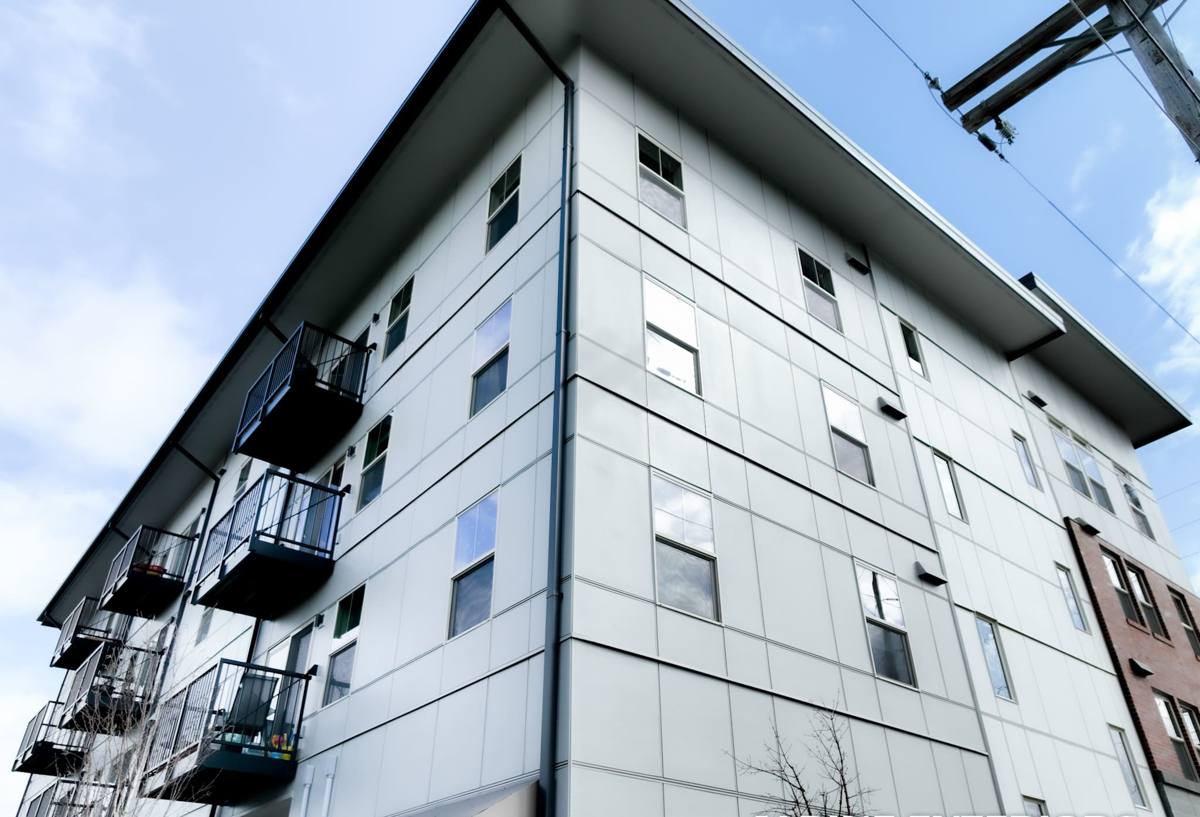
What Fairhaven Homes Actually Need From Their Siding
Fairhaven is one of Bellingham's older, more established neighborhoods, and a lot of the homes reflect that — character-rich construction, mature landscaping, and in many cases original or aging exterior cladding that's due for replacement. Whether a house is a century-old craftsman or a mid-century build, the siding covering it has three jobs to do in this environment:
- Shed wind-driven rain without letting water track behind the cladding at laps, corners, and penetrations
- Resist moisture absorption so the material itself doesn't swell, cup, or rot over repeated wet-dry cycles
- Hold a finish that doesn't chalk, peel, or feed algae growth under salt air and heavy shade
A lot of siding failures we see in Fairhaven aren't dramatic — they're slow. Paint that needs recoating every few years. Bottom edges that stay damp and start to soften. Moss that colonizes north walls and holds moisture against the surface long after a storm has passed. These are symptoms of a system that's fighting the climate instead of being built for it.
Why We Only Install James Hardie Fiber Cement
We made the decision years ago to install James Hardie fiber cement siding exclusively — not vinyl, not LP SmartSide, not primed wood, not other fiber cement brands. That's a narrower lineup than a lot of contractors offer, and we're upfront about why.
Fiber cement as a category resists moisture absorption and doesn't rot the way wood-based products can if water gets behind them. It's also non-combustible, which matters to insurers and to homeowners thinking about wildfire exposure in a drier future summer. Within fiber cement, Hardie's HZ5 product line is engineered specifically for the kind of wet, coastal-influenced climate Fairhaven sits in, and the factory-applied ColorPlus finish is baked on under controlled conditions rather than field-applied — which means better, more consistent adhesion and a longer stretch before repainting is needed. Hardie also backs the product with a strong, transferable warranty, which carries real value if the home changes hands.
We're not going to tell you every other product on the market is junk — that's not honest, and it's not our call to make about a competitor's material. What we will say is that after years of installing and repairing siding in this exact climate, we settled on one system we trust enough to stand behind with our own name, and it's Hardie.
How It Compares on the Points That Matter Here
| Factor | Why It Matters in Fairhaven |
|---|---|
| Moisture absorption | Fiber cement doesn't swell or soften with repeated wet-dry cycling the way wood-based sidings can |
| Salt air resistance | Factory-cured cement composition and factory finish hold up better than field-painted surfaces near the water |
| Fire rating | Non-combustible material, relevant to both insurance considerations and long-term risk |
| Finish durability | ColorPlus factory finish is engineered to resist fading and chalking longer than typical field-applied paint |
| Warranty | Manufacturer-backed and transferable to a future owner, which supports resale value |
What a Correct Siding Installation Actually Involves
The siding material is only part of the equation. Most of the failures we get called out to inspect in Fairhaven trace back to installation shortcuts, not the product itself. A correct install involves:
Water Management Behind the Cladding
A weather-resistive barrier installed and lapped correctly, with proper flashing at every window, door, and penetration, so any water that does get past the siding has a path to drain out rather than sit against the sheathing.
Manufacturer Clearances and Fastening
Hardie specifies minimum clearances from grade, roof lines, and decks, along with specific fastener patterns and nailing depth. Skipping these is one of the most common ways an otherwise good product fails early — usually by trapping moisture at the bottom edge.
Caulking and Joint Treatment Done Right
Butt joints and panel seams need to be treated to shed water, not just sealed with caulk and left. Caulk fails; a properly lapped and flashed joint does not depend on caulk to keep water out over the long run.
Ventilation Behind the Siding
A rainscreen gap lets any moisture that gets behind the cladding dry out instead of sitting against the wall assembly — especially important on the shaded, damp sides of a Fairhaven lot where drying time between rain events is short.
Our Process, Start to Finish
- On-site assessment — we look at your current siding, sheathing condition where accessible, moisture history, and the specific exposure of each wall (which sides get sun, which stay damp and shaded)
- Honest scope and estimate — what needs to be replaced, what water-management details need correcting, and a clear cost breakdown
- Tear-off and sheathing check — removing old siding gives us a direct look at the sheathing and framing underneath; any rot or moisture damage gets addressed before new siding goes on
- Weather barrier and flashing installation — the part of the job that determines whether the siding performs for decades or fails in five years
- Hardie panel or lap siding installation — installed to manufacturer spec, with correct clearances, fastening, and rainscreen detailing
- Final walkthrough — we go over the finished work with you before calling the job done
What Drives Cost on a Fairhaven Siding Job
| Factor | Why It Affects Price |
|---|---|
| Condition of existing sheathing | Hidden rot found during tear-off adds repair scope that can't be quoted sight-unseen |
| Home size and number of stories | More square footage and taller walls mean more material and more staging/access work |
| Trim and detail complexity | Older Fairhaven homes with more elaborate trim, corners, and window surrounds take more labor per square foot |
| Site access | Mature trees, retaining walls, and tight lots common in the neighborhood can limit equipment access and add labor time |
| Siding profile chosen | Lap siding, panel systems, and shingle-style Hardie products vary in material and installation cost |
Signs Your Fairhaven Home's Siding Needs Attention
- Paint that's chalking, peeling, or needing recoating more often than every 8-10 years
- Persistent moss or algae staining on shaded or north-facing walls
- Soft spots, bubbling, or visible warping near the bottom edge of siding boards
- Gaps opening up at corners, trim, or panel seams
- Rising energy bills that suggest the wall assembly is no longer performing as insulation
- Visible water staining on interior walls near exterior corners after heavy rain
Why Hiring a Crew That Already Works This Neighborhood Matters
Fairhaven's mix of older construction, coastal exposure, and heavy tree cover means a siding crew needs to make judgment calls a generic install job doesn't require — how much rainscreen gap to leave on a heavily shaded wall, where moisture is most likely to be hiding in a decades-old wall assembly, how to detail flashing around the trim details common to the neighborhood's older housing stock. A crew that regularly works in Fairhaven and similar Bellingham neighborhoods has already seen how these houses fail and what it takes to build them back correctly, rather than learning on your project.
It also matters for accountability. A local, established contractor is still around in five or ten years if a warranty question comes up — not just a name on an invoice from a crew that worked the area for one season and moved on.
Maintenance After Installation
Correctly installed Hardie siding is low-maintenance, not no-maintenance. In Fairhaven's climate, that means an occasional gentle wash to keep moss and algae from establishing on shaded walls, periodic visual checks of caulking at trim joints, and prompt attention if you notice a soft spot or a gap opening anywhere. None of this is heavy work, but staying ahead of small issues is what makes a correctly installed system last as long as it's designed to.
If your Fairhaven home's siding is showing its age, or you want a straight answer on what a correct installation costs and involves for your specific house, we're happy to take a look. The estimate is free, there's no pressure, and you'll get an honest assessment either way — just fill out the form below to get started.