 Bellingham Exterior
 Why Ferndale Homes Wear Out Siding Faster Than You'd Expect
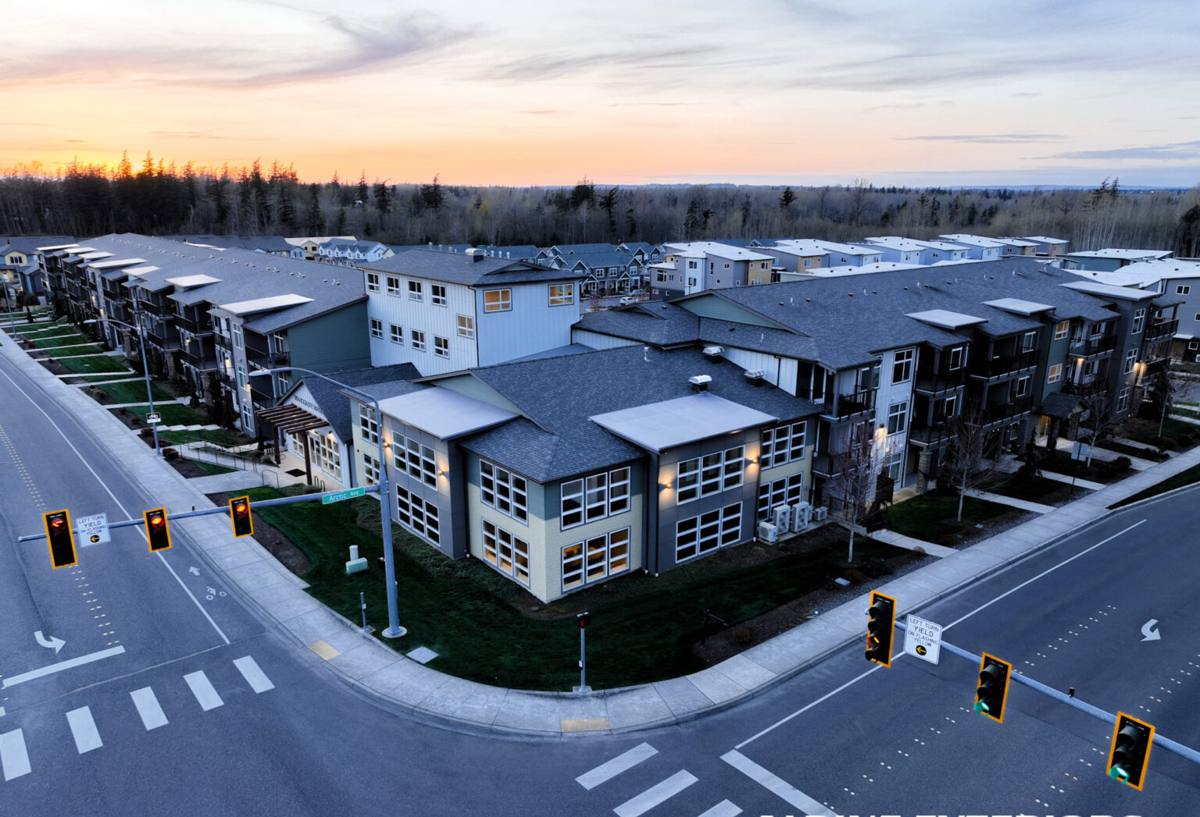
Ferndale sits close enough to Bellingham Bay and the Nooksack River lowlands that its homes take on a specific combination of punishment: salt-tinged marine air rolling in off the water, long stretches of driving rain through fall and winter, and a moss season that can run nine months out of the year on shaded north and west walls. None of these factors is dramatic on its own. Together, over ten or fifteen years, they quietly break down siding that wasn't built or installed for this exact environment.
We work on homes across Whatcom County, and Ferndale's mix of older farmhouse-style homes, newer subdivisions near the interstate, and properties tucked closer to the water each present slightly different siding failure patterns. Understanding which pattern applies to your house is the first step in deciding whether you're looking at a repair, a partial replacement, or a full re-side.
The Three Climate Forces Doing the Damage
Salt Air and Metal Fastener Corrosion
Proximity to Bellingham Bay means airborne salt reaches Ferndale roofs and walls more than most people realize, especially on homes west-facing or with a clear line to the water. Salt-laden moisture accelerates corrosion on fasteners, flashing, and any exposed metal trim. Once fasteners start to rust and weep, you'll see brown streaking on siding faces — a sign that water and salt have already gotten past the surface.
Driving Rain and Wind-Driven Moisture
Whatcom County's rain doesn't just fall straight down. Storms off the Strait of Georgia and Puget Sound push rain sideways into wall assemblies, which is a much harder condition to design around than vertical rainfall. Siding, house wrap, flashing, and caulking all have to work together as a system to keep wind-driven rain from finding its way behind the cladding. A single weak point — a poorly lapped J-channel, a gap at a window head — becomes the entry point for ongoing water intrusion.
Moss, Algae, and Prolonged Dampness
Shaded, tree-lined lots common around Ferndale keep siding damp for extended stretches, which is exactly the condition moss and algae need to establish. Wood-based and wood-composite siding products absorb that moisture and begin to swell, delaminate, or rot from the inside out. Even siding that looks fine from the street can be soft or spongy to the touch in shaded corners and under eaves where sun never fully dries the surface.
How to Tell If Your Ferndale Home Needs Siding Replacement
- Soft, spongy, or crumbling siding when pressed, especially near the bottom courses or around windows
- Persistent moss or dark algae staining that returns within weeks of cleaning
- Visible rust streaks running down from nail heads or metal trim
- Paint that's peeling, bubbling, or won't hold more than a couple of years between coats
- Warping, cupping, or visible gaps opening up between boards or panels
- Soft drywall, musty smell, or staining on interior walls that back up to exterior siding
- Siding that's original to a home built more than 20-25 years ago and has never been replaced
If you're seeing two or more of these signs, it's worth getting a professional look before the damage spreads to sheathing and framing, which turns a siding job into a much larger structural repair.
What a Correct Siding Replacement Actually Involves
Replacing siding isn't just pulling off old boards and nailing up new ones. Done right, especially in a climate like Ferndale's, it's a full building-envelope project:
Tear-Off and Inspection
Old siding comes off in sections so we can inspect the sheathing underneath before covering it back up. This is the point where hidden rot, soft spots, or prior water damage gets found and addressed — not discovered years later when it's a bigger problem.
Sheathing Repair
Any compromised sheathing gets cut out and replaced. Covering damaged sheathing with new siding just buys a few years before the same failure resurfaces, worse and more expensive.
Weather-Resistive Barrier
A new house wrap goes on as the drainage plane, properly lapped shingle-style so water sheds outward and down rather than working its way inward. This layer matters as much as the siding itself for keeping wind-driven rain out of the wall cavity.
Flashing at Every Penetration
Windows, doors, hose bibs, vents, and any other wall penetration get properly flashed before the new siding goes up. This is the step most likely to get rushed on a lower-quality job, and it's the step most responsible for leaks showing up two or three years later.
Siding Installation to Manufacturer Spec
Correct nail placement, proper gapping for expansion, factory-specified clearances from grade, decking, and roof lines, and correctly lapped and caulked joints. Fiber cement siding installed off-spec can void the manufacturer's warranty even if the product itself is right for the job.
Trim, Caulking, and Final Detailing
Trim boards, corner treatments, and caulking joints get finished last, with attention to the same wind-driven-rain and salt-air conditions that caused the original failure.
Why We Install Only James Hardie Fiber Cement
We standardized on James Hardie siding for every home we side, including in Ferndale, and we don't install vinyl, LP SmartSide, cedar, primed spruce, Cemplank, or Allura. That's not a marketing position — it's a decision based on what actually holds up against salt air, driving rain, and a long moss season.
Fiber cement is non-combustible and dimensionally stable, meaning it doesn't expand, contract, warp, or absorb moisture the way wood-based products do. James Hardie's ColorPlus factory-applied finish is baked on under controlled conditions, which gives it better fade and moisture resistance than field-applied paint, and it comes backed by a real, transferable warranty. For a climate that keeps siding damp for months at a stretch and pushes rain sideways into wall assemblies, that combination of moisture resistance and finish durability is the deciding factor.
James Hardie also engineers specific product lines for different climate zones — their HZ5 formulation, used in the Pacific Northwest, is built around freeze-thaw cycling and sustained moisture exposure rather than dry-climate conditions. That regional engineering is part of why we don't treat "siding" as a single interchangeable product category.
What We Explicitly Don't Install, and Why
| Product | What It Gets Right | Why It's a Poor Fit Here |
|---|---|---|
| Vinyl siding | Low upfront cost, low maintenance in mild climates | Can warp or crack in temperature swings; seams and J-channels are common entry points for wind-driven rain |
| LP SmartSide | Engineered wood strength, easier to install than solid wood | Wood-based core is still moisture-sensitive; edges and cut ends need diligent sealing that's easy to miss |
| Cedar / primed spruce | Natural appearance, traditional look | Absorbs moisture readily; needs ongoing refinishing and is highly susceptible to rot in prolonged damp shade |
| Cemplank / Allura | Also fiber cement, similar base material | Different factory finish and warranty structure; we standardized on one system so our crews install to one spec, consistently |
Every one of these products has a legitimate use case somewhere. Our judgment, formed from working exterior projects across Whatcom County's specific weather pattern, is that James Hardie's fiber cement system is the one that consistently holds up here without surprises.
Why Hiring a Crew That Already Works Ferndale Matters
Siding installation quality varies enormously by crew, and the parts that matter most — flashing details, house wrap lapping, fastener spacing — are exactly the parts a homeowner can't easily inspect after the job is done. A crew that already works Ferndale and the surrounding Whatcom County area has seen how these specific climate forces play out on real houses: which walls take the worst of the driving rain, which orientations hold moss longest, and where salt-related fastener corrosion tends to show up first.
That local pattern recognition shows up in small decisions during the job — extra attention to flashing on a west-facing wall, a recommendation to address a moss-prone roofline detail while the siding's already open, or simply knowing which manufacturer specs actually matter in this climate versus which are boilerplate. It's the difference between a generic installation and one built for the house it's actually going on.
Cost Factors for a Ferndale Siding Replacement
Every home is different, but the same handful of factors drive most of the cost variation we see on siding replacement projects in this area:
| Factor | Why It Affects Cost |
|---|---|
| Extent of sheathing damage | Rot found during tear-off requires repair before new siding goes up |
| Home size and wall complexity | More corners, gables, and penetrations mean more labor and flashing detail |
| Siding profile and trim selection | Lap width, trim style, and accent details affect material and labor |
| Number of stories and access | Second-story and steep-site work requires more scaffolding and time |
| Existing siding removal | Multiple layers or difficult-to-remove materials add tear-off time |
We give every homeowner a clear, itemized estimate before work starts, so there's no guessing about what's driving the number.
What to Expect From Our Process
- Free on-site inspection, including a look at siding, trim, and any visible moisture or moss issues
- Honest assessment of whether you need spot repair, partial replacement, or a full re-side
- Written estimate detailing scope, materials, and timeline
- Tear-off with sheathing inspection and repair as needed
- New house wrap, flashing, and James Hardie fiber cement installation to manufacturer spec
- Final walkthrough before we consider the job complete
Maintaining Your New Siding in Ferndale's Climate
Even the right siding benefits from a little seasonal attention in this climate. A yearly rinse-down helps keep moss and algae from establishing, especially on shaded north and west walls. Keeping gutters clear prevents overflow from running down and staining siding faces. Trimming back vegetation that keeps a wall shaded and damp goes a long way toward slowing moss regrowth. James Hardie's factory finish reduces how much upkeep is needed compared to field-painted wood siding, but no siding is entirely maintenance-free in a marine climate like Whatcom County's.
If your Ferndale home is showing signs of siding wear — moss that keeps coming back, soft spots, rust streaking, or siding that's simply original and aging out — we're happy to take a look and give you a straightforward, no-pressure estimate using the form below.