 Bellingham Exterior
 Roof Replacement for Birchwood Homes
Birchwood sits close enough to Bellingham Bay and the surrounding waterways that its homes take on a specific mix of weather stress most inland neighborhoods don't deal with. Salt-laden air moving in off the water, long stretches of driving rain through fall and winter, and a moss season that can run eight months or more all work on a roof at the same time. When we replace a roof in this part of Bellingham, we're not just swapping old shingles for new ones — we're building a system that's matched to what this specific patch of Whatcom County throws at a house year after year.
This page covers what a correct roof replacement looks like for Birchwood specifically: the materials that hold up best here, the parts of the job that get skipped by crews who don't know the area, and how our process works from first look to final walk-through.
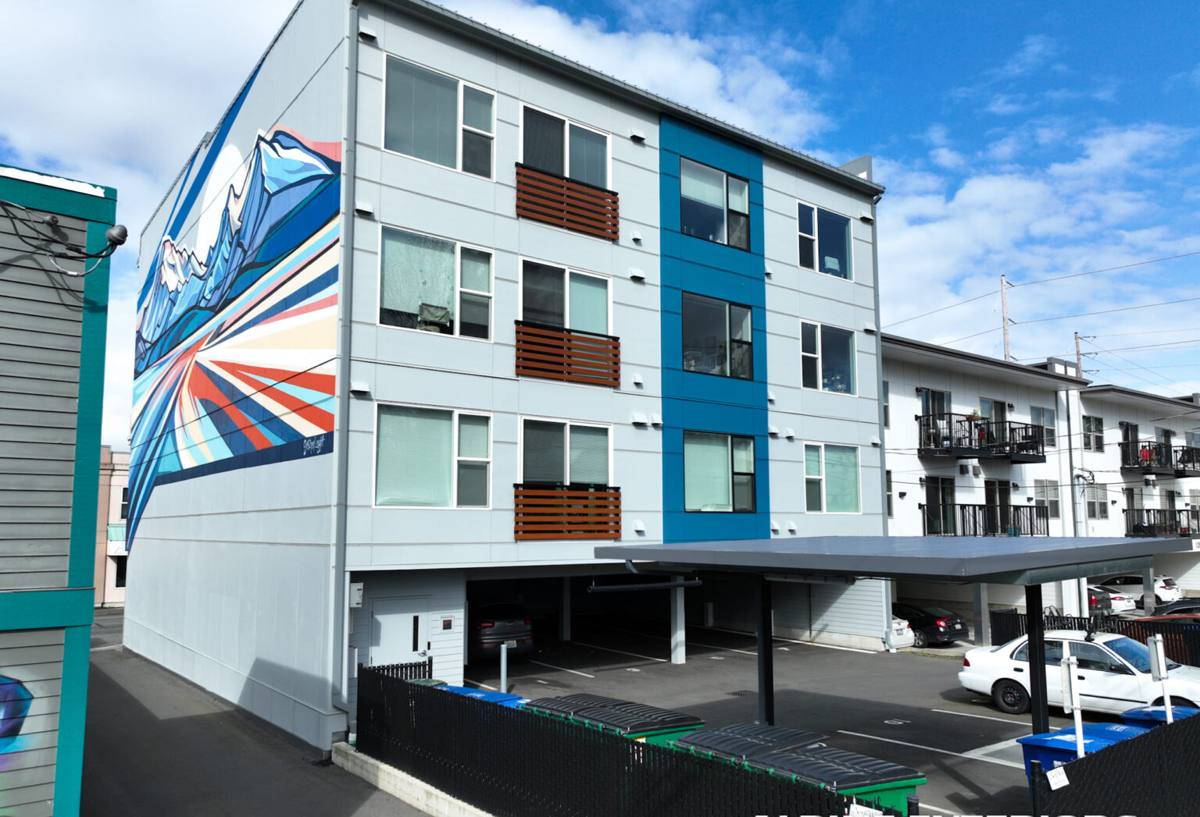
What Birchwood's Climate Actually Does to a Roof
Salt Air and Metal Fasteners
Proximity to the bay means airborne salt settles on roofing surfaces and, more importantly, on exposed metal — nail heads, flashing, vent caps, and gutter hardware. Standard electro-galvanized fasteners corrode faster in this environment than they would twenty or thirty miles inland. Over years, that corrosion can lead to nail pops, streaking, and eventually water finding its way through a fastener hole that's lost its seal. It's a slow process, which is exactly why it gets missed — nobody notices until there's a stain on a ceiling.
Driving Rain and Wind-Driven Water
Bellingham doesn't get the heaviest rainfall totals in Washington, but Birchwood's exposure means rain frequently comes in at an angle rather than falling straight down. Wind-driven rain pushes water sideways under shingle tabs, into valleys, and behind flashing that isn't properly lapped. A roof that would hold up fine in a calmer, more sheltered spot can leak in Birchwood if the underlayment and flashing details weren't built for horizontal water.
Moss and Shade
Between the marine moisture and tree cover common in this part of Bellingham, moss finds ideal growing conditions on north-facing slopes and shaded valleys for most of the year. Moss isn't just cosmetic — its root structure lifts shingle edges, holds moisture against the roof deck, and accelerates granule loss. A roof that isn't detailed to shed water quickly and dry out between storms becomes a moss farm within a few seasons.
Signs a Birchwood Roof Needs Replacing, Not Patching
Not every roofing problem calls for a full replacement, and we'll tell you honestly when a repair is the smarter move. But there are signs that point toward replacement being the more cost-effective long-term choice:
- Granule loss heavy enough that you're finding grit in gutters and downspouts every time it rains
- Multiple layers of moss regrowth even after cleaning, especially on north-facing slopes
- Shingles that are curling, cracking, or losing tabs across more than one section of the roof
- Soft spots in the decking found during inspection, which usually mean sustained moisture intrusion
- Flashing around chimneys, skylights, or valleys that's rusted, loose, or was never properly stepped and lapped
- A roof approaching or past the end of its rated lifespan combined with any of the above
If a roof is showing isolated damage — one bad valley, a section of storm damage, a failed vent boot — a targeted repair is usually the right call and the honest recommendation. Full replacement makes sense when the roofing system as a whole has aged out or when repair costs start stacking up close to what a new roof would run.
What a Correct Replacement Involves
Tear-Off and Deck Inspection
We remove the old roofing down to the deck rather than layering over it. This is the only way to actually see what's underneath — soft or rotted decking, especially common on north-facing slopes where moss and moisture linger longest, has to be found and replaced before anything new goes down. Roofing over a compromised deck just hides the problem for a while.
Underlayment Built for Wind-Driven Rain
Given how often rain comes in sideways in this area, we pay close attention to underlayment coverage and lap direction, with synthetic underlayment and self-adhered membrane in vulnerable spots — valleys, eaves, and around penetrations — where wind-driven water is most likely to find a way in.
Flashing Details
Flashing failure is one of the most common causes of roof leaks, and it's rarely the field of the roof that fails first — it's the transitions. Chimneys, skylights, sidewalls, and valleys all need properly stepped and counter-flashed metal, not just a bead of sealant. We use corrosion-resistant flashing material given the salt exposure common in Birchwood, and we lap every piece so water is always directed out and away from the structure, never toward a seam.
Ventilation
A roof deck that can't breathe traps moisture from the inside, which speeds up rot and shortens the life of the new roofing from underneath. We check intake and exhaust ventilation as part of every replacement and correct it when it's inadequate — this matters more in a marine climate where ambient humidity is already working against the structure.
Fastening Standards
Because of the salt-air corrosion issue, fastener choice matters more here than it would in a drier, inland part of the county. We follow manufacturer specifications for fastener type and pattern, and in higher-exposure spots we use corrosion-resistant fasteners so the roof isn't compromised from the nail heads up years before the shingles themselves wear out.
Material Options for Birchwood Conditions
Material choice matters, but so does the quality of the installation underneath it — a premium material poorly installed will underperform a mid-range material installed correctly. That said, some materials are simply better matched to salt air, driving rain, and moss pressure than others.
| Material | Moss Resistance | Salt Air Durability | Typical Lifespan | Notes |
|---|---|---|---|---|
| Architectural asphalt shingle | Moderate (benefits from algae-resistant granules) | Good with corrosion-resistant fasteners | 25–30 years | Most common choice; good value, wide color range |
| Standing seam metal | Very good — moss struggles to hold on smooth vertical seams | Requires marine-grade coatings or finishes | 40–50+ years | Higher upfront cost, sheds water and moss fast |
| Synthetic composite | Good | Good | 30–50 years | Lighter than slate/wood alternatives, consistent performance |
| Cedar shake | Poor without diligent maintenance | Moderate | 20–30 years with upkeep | We're honest with clients: high maintenance burden in this climate, moisture retention is a real concern |
We don't push cedar shake as a default recommendation for homes in this part of Bellingham — not because it can't work, but because the maintenance burden and moisture behavior in a marine, moss-heavy climate make it a harder product to keep performing well without consistent upkeep. If a homeowner wants that look and understands the maintenance commitment, we'll install it correctly and explain what ongoing care looks like. For most Birchwood homes, an algae-resistant architectural shingle or a standing seam metal roof gives the best balance of performance and cost over the life of the roof.
Our Process, Start to Finish
- Inspection and estimate — We walk the roof, check the attic or deck where accessible, and identify problem areas before quoting anything. No guessing from the ground.
- Written scope — You get a clear breakdown of materials, underlayment, flashing work, and any decking replacement anticipated, so there are no surprises mid-project.
- Scheduling around weather — In Whatcom County, timing a tear-off around a dry window matters. We plan the job so the deck isn't left exposed to rain any longer than necessary.
- Tear-off and deck repair — Old roofing comes off, the deck gets inspected, and any soft or damaged sections are replaced before new material goes down.
- Underlayment and flashing — Installed to the standards described above, with extra attention in valleys and around penetrations.
- Roofing installation — Installed to manufacturer specification, including fastener pattern and exposure, so warranty coverage stays intact.
- Cleanup and walk-through — Magnetic sweep for stray nails, debris hauled off, and a walk-through so you can see the finished work and ask questions.
Why a Crew That Already Works Birchwood Matters
Roofing code and best practice don't change block by block, but familiarity with a specific area's conditions changes how a job actually gets built. A crew that already works in Birchwood knows which slopes tend to hold moss longest, understands how exposed a given lot is to wind off the bay, and doesn't have to learn on your roof that standard fasteners corrode faster this close to salt water. That local pattern recognition shows up in small decisions — where to add extra underlayment, which fastener grade to spec, how to detail a valley — that add years to a roof's service life.
It also matters for warranty support. A roof replacement is only as good as the company standing behind it, and a contractor with an established presence in Bellingham and Whatcom County is easier to reach if a question comes up five or ten years down the line.
Maintenance After Replacement
A new roof in Birchwood still needs some seasonal attention to hit its full lifespan. This isn't a heavy maintenance list — it's the handful of things that actually move the needle in this climate:
- Clear gutters and downspouts at least twice a year, more often under heavy tree cover
- Have moss growth addressed early, before it establishes roots under shingle edges — soft washing rather than pressure washing protects the shingle surface
- Check attic ventilation isn't blocked by insulation or debris, which helps control interior moisture
- After major windstorms, a quick visual check for lifted shingles or displaced flashing is worth the five minutes
- Keep overhanging branches trimmed back where practical to reduce shade and debris buildup on north-facing slopes
Get a Straightforward Estimate
If your Birchwood roof is showing its age, dealing with persistent moss, or you just want an honest read on how much life it has left, we're happy to take a look. The estimate is free, there's no pressure attached to it, and you'll get a clear explanation of what we see and what we'd recommend. Use the form below to get started.