 Bellingham Exterior
 Roofing in Cordata: A Different Set of Demands Than Inland Homes
Cordata sits close enough to the water and the marine layer that comes with it to put real, ongoing stress on a roof system. Homes here deal with salt-laden air moving in off Bellingham Bay, long stretches of driving rain through the fall and winter, and a moss season that can run for months if a roof isn't shedding water and drying out the way it should. None of that is dramatic on its own, but stacked year after year, it's what separates a roof that makes it to 25-30 years from one that starts failing at 15.
A roof replacement in this part of Whatcom County isn't just about swapping old shingles for new ones. It's about building an assembly — decking, underlayment, ventilation, flashing, and the roofing material itself — that's matched to what this specific climate does to a house over time.
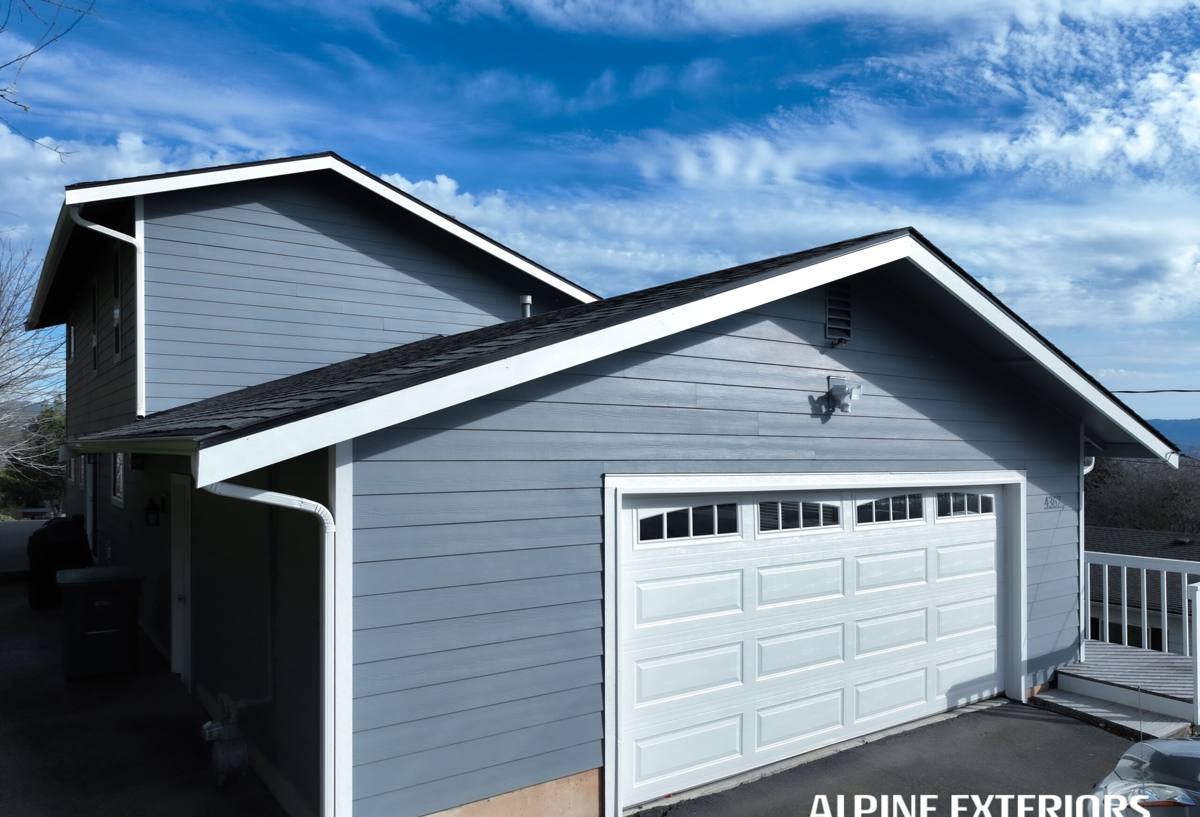
What Bellingham's Climate Actually Does to a Roof
Moisture That Doesn't Let Up
Western Washington doesn't get extreme storms as much as it gets persistent, low-intensity rain over long stretches. That's actually harder on a roof in some ways than a hard downpour — water has more time to find its way under compromised shingles, around aging flashing, or into a soffit that isn't ventilating properly. A roof here needs to be built to shed water efficiently and keep the deck dry, not just survive one bad storm.
Moss and Organic Growth
Cordata's tree cover and the region's damp, mild winters create ideal conditions for moss and algae to take hold on a roof, especially on north-facing slopes and anywhere shade lingers. Moss isn't just cosmetic — it holds moisture against the roofing material, works its way under shingle edges, and can lift tabs enough to let water in. A roof replacement is the right time to address moss-prone areas properly, rather than just cleaning growth off an aging roof and hoping it doesn't come back.
Salt Air and Metal Components
Being close to the bay means airborne salt is a real factor, even a few miles inland. Salt accelerates corrosion on unprotected metal — flashing, fasteners, vents, and any exposed hardware. Materials and fastener choices that would be fine in a drier, inland climate can corrode noticeably faster here if they're not rated for coastal exposure.
Signs a Cordata Roof Needs Replacement, Not Another Repair
- Granule loss showing up in gutters or at downspout outlets, especially on a roof over 15 years old
- Shingles that are cupping, curling, or cracking, particularly on south and west-facing slopes
- Persistent moss or dark streaking that comes back within a season or two of cleaning
- Soft spots, sagging, or visible deck movement when walked on
- Daylight visible through the roof deck from inside the attic
- Flashing around chimneys, vents, or skylights that's rusted, lifted, or was never properly integrated
- Multiple repair calls in the last few years for leaks in different spots, rather than one recurring issue
If it's one isolated issue — a single damaged flashing point, a small area of wind-lifted shingles — a repair is usually the honest answer. Replacement makes sense when the roofing material itself is at the end of its service life or when problems are showing up in multiple places at once.
What a Correct Roof Replacement Involves Here
Tear-Off and Deck Inspection
We remove the old roofing down to the deck rather than layering over it. That's the only way to actually see what's underneath — soft or rotted decking from long-term moisture intrusion is common on older Bellingham roofs and needs to be replaced before anything new goes down, not covered up.
Underlayment Built for Wet Climates
Given how much rain this area sees, underlayment choice matters more here than it would in a dry climate. Synthetic underlayment with proper lap and fastening, plus ice-and-water shield in vulnerable areas like eaves and valleys, gives the roof a real second line of defense if wind-driven rain ever gets past the primary roofing material.
Ventilation That Actually Balances
Proper intake and exhaust ventilation isn't optional in a climate this damp. Without it, moisture gets trapped in the attic, which shortens the life of the deck from the inside and can contribute to the exact moss and mildew problems homeowners are trying to avoid on the outside. We size and balance intake and exhaust as part of the replacement, not as an afterthought.
Flashing and Penetration Detailing
Most roof leaks don't come from the field of the roof — they come from where the roof meets something else: chimneys, skylights, vent stacks, walls. We use corrosion-resistant flashing appropriate for a coastal-influenced climate and integrate it correctly with the underlayment and roofing material, rather than relying on sealant to do a flashing detail's job.
Material Installed to Manufacturer Spec
Nail placement, exposure, and starter course installation all affect how well a roof performs in wind and rain. We install to the manufacturer's published specifications so the material performs — and the warranty holds — the way it's supposed to.
Material Options for Cordata Homes
| Material | Typical Lifespan Here | Considerations for This Climate |
|---|---|---|
| Architectural asphalt shingle | 25-30 years | Good moss resistance with algae-resistant granules; most cost-effective option; wide color range |
| Metal roofing (standing seam) | 40-50+ years | Excellent water shedding and low moss retention due to smooth surface; needs coastal-rated fasteners and coatings near the water |
| Synthetic/composite shingle | 30-40 years | Resists moisture absorption well; higher upfront cost; good option where moss and rot have been recurring issues |
| Wood shake | 20-25 years with upkeep | Requires ongoing maintenance to manage moisture and moss in this climate; higher long-term maintenance burden |
We don't push one material on every home. The right choice depends on the roof's exposure, the amount of shade and tree cover on the property, and what the homeowner wants to spend upfront versus maintain over time. A heavily shaded, moss-prone lot is a different conversation than a roof that gets full sun most of the day.
What It Costs and What Drives the Range
Every roof is different, so we won't post a number here that doesn't mean anything without seeing the actual roof. What we can tell you is what moves the price up or down on a typical Cordata home:
- Roof size and number of planes — a simple gable roof costs less to do correctly than one with multiple valleys, dormers, and hips
- Pitch and accessibility — steeper roofs and limited access add labor time and safety requirements
- Deck condition — hidden rot found during tear-off means deck repair or replacement before new roofing goes down
- Material selected — asphalt, metal, and synthetic options carry different material and installation costs
- Ventilation and flashing work needed — a roof with inadequate or failing ventilation needs that corrected as part of the job
- Layers of existing roofing — removing multiple old layers takes more time and disposal cost than a single-layer tear-off
We give a firm, written estimate after an in-person inspection, not a phone-quote guess. That's the only way to price the job accurately and avoid surprises once we're on the roof.
Our Process, Start to Finish
- Inspection and estimate — we walk the roof, check the attic for ventilation and moisture issues, and give you a clear written scope and price
- Material selection — we go over the options that make sense for your roof's exposure and your budget, no upselling for its own sake
- Scheduling around the weather — we plan tear-off and installation to minimize the window your home is exposed, and we don't tear off more than we can dry in and cover in a day
- Tear-off and deck inspection — old roofing comes off, the deck gets inspected, and any repairs are addressed before moving forward
- Underlayment, ventilation, and flashing installation — the parts of the job that don't show but determine how the roof actually performs
- Roofing material installation — installed to manufacturer spec for warranty coverage and performance
- Cleanup and final walkthrough — magnetic sweep for debris, gutters checked, and a walkthrough so you know exactly what was done
Why a Crew That Already Works Cordata Matters
A roofing crew that regularly works this specific area already knows which slopes tend to hold moss, how much airborne salt exposure to plan for near the water, and how the local rain patterns stress different roof details. That's not something you get from a national franchise rotating crews through different climates every few weeks. We're a Bellingham-based crew working Whatcom County roofs — including Cordata — on an ongoing basis, which means we've seen how our own work holds up here over years, not just at the final walkthrough.
It also means straightforward accountability. If something needs a follow-up call after a job, we're local and we're the ones who did the work.
Questions Worth Asking Any Roofing Contractor
Before hiring anyone for a roof replacement in this climate, it's reasonable to ask:
- Are you licensed and insured to do roofing work in Washington State?
- What underlayment and ice-and-water shield will you use, and where?
- How will you handle attic ventilation as part of this job?
- What's your plan if it starts raining mid-tear-off?
- What does the manufacturer warranty require, and will the installation meet those requirements?
A contractor who answers these clearly and specifically, rather than vaguely, is a good sign of how the actual job will go.
If your Cordata home is due for a roof replacement, or you're not sure whether what you're seeing needs a repair or a full replacement, we're happy to take a look. Request a free, no-pressure estimate using the form below and we'll walk the roof with you and give you a straight answer.