 Bellingham Exterior
 Roof Replacement in Edgemoor: What Local Homes Are Up Against
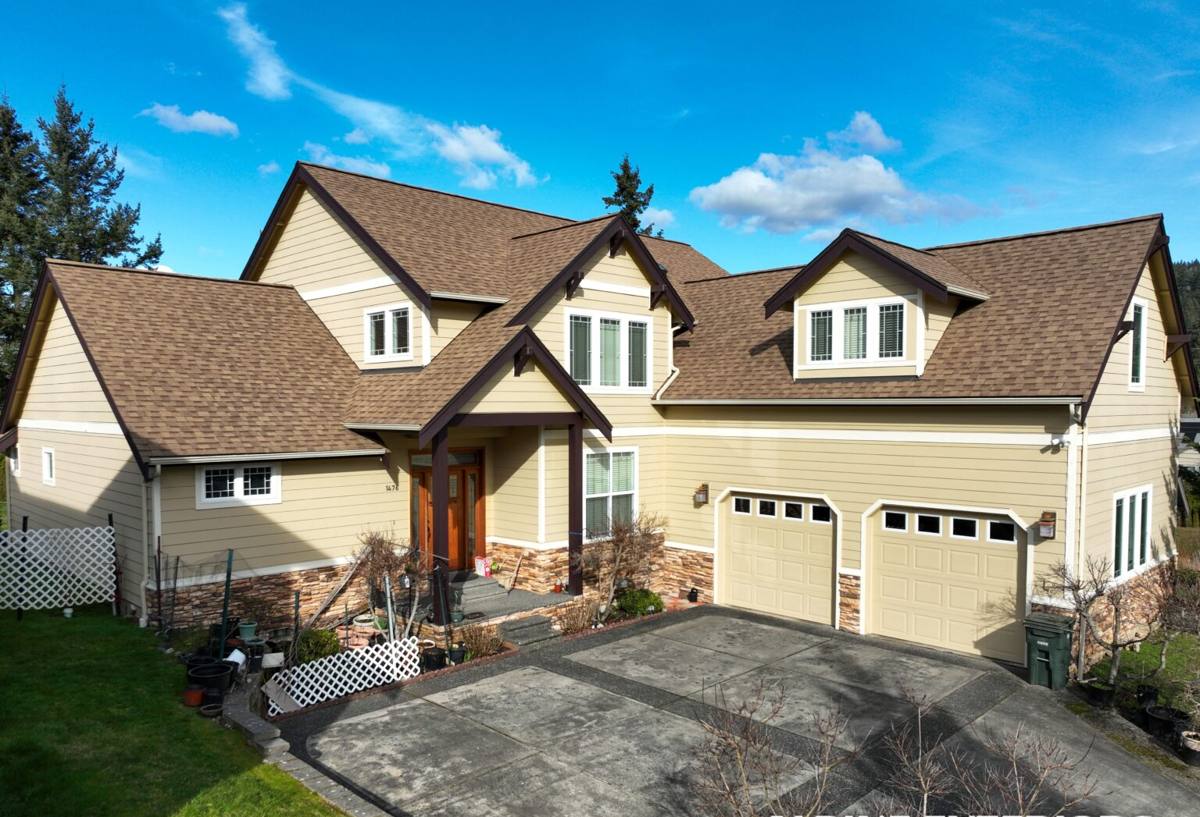
Edgemoor sits close to the water on wooded, established lots, and that combination shapes what a roof out here actually has to survive. Salt-laden air off the bay, near-constant winter rain, heavy tree canopy that keeps roof sections shaded and damp, and a moss season that can run most of the year all add up to faster wear than a roof would see in a drier, more open part of Whatcom County. When it's time to replace a roof in this neighborhood, the job needs to account for all of that from day one, not just match what was there before.
This page covers what a correct roof replacement looks like specifically for Edgemoor homes: what the climate does to roofing materials here, how we assess and plan the job, what's involved in doing it right, and why local experience matters more than it might seem.
Why Edgemoor's Setting Puts Extra Demand on a Roof
Salt Air and Moisture
Proximity to the water means roofing metal, fasteners, and flashing are exposed to salt-carrying air more than homes further inland. Untreated or lower-grade metal components can corrode faster here, which is why fastener and flashing selection matters as much as the shingle or panel choice itself.
Tree Cover and Shade
Many Edgemoor lots have mature trees close to the house. That's part of what makes the neighborhood attractive, but it also means roof sections stay shaded and slower to dry after rain, which is the exact condition moss and algae need to take hold. Overhanging limbs also mean more debris landing in valleys and gutters year-round.
Driving Rain and Wind Off the Water
Storms coming off the bay tend to drive rain at an angle rather than straight down, which puts more stress on flashing, ridge lines, and any point where the roof meets a wall, chimney, or skylight. A roof that's watertight in a light straight-down rain can still leak under wind-driven rain if those transition points weren't detailed correctly.
A Long Moss Season
Bellingham's wet season stretches long, and shaded, moisture-holding roofs in Edgemoor can support moss growth for much of the year. Moss isn't just cosmetic — it holds water against the roofing material and can lift shingle edges over time, which shortens the life of an otherwise sound roof.
Signs an Edgemoor Roof Is Ready for Replacement
Not every roof problem means a full replacement — some are legitimately repairable. But certain signs point toward a roof that's past the point where patching makes sense.
- Granule loss heavy enough that you can see bare, shiny patches on shingles
- Shingles that are curling, cracking, or cupping at the edges
- Moss or algae buildup that keeps returning shortly after cleaning
- Soft or spongy spots when walking the roof, which usually means the decking underneath is compromised
- Daylight visible through the roof boards from inside the attic
- Water stains or discoloration on interior ceilings, especially after storms
- A roof that's 20-25+ years old, regardless of how it looks from the ground
- Missing or displaced shingles after a windstorm, particularly if it's happened more than once
- Rising heating bills that track with attic insulation or ventilation problems tied to roof condition
If you're seeing two or more of these, it's worth having the roof looked at before deciding between repair and replacement.
What a Correct Roof Replacement Involves
A roof replacement is more than swapping old shingles for new ones. Done right, it addresses everything underneath the surface layer too — the parts that determine whether the new roof actually lasts.
Full Tear-Off and Decking Inspection
We remove the old roofing down to the decking rather than layering over it. That lets us actually see the wood underneath — soft, delaminated, or water-damaged decking is common on shaded, moisture-prone roofs and needs to be replaced before anything new goes down. Skipping this step is one of the most common ways a roof replacement fails early.
Underlayment and Water Protection
Given how much rain Whatcom County sees, the underlayment layer matters as much as the visible roofing. We use synthetic or ice-and-water shield underlayment at vulnerable areas — eaves, valleys, and around penetrations — to give the roof a second line of defense if wind-driven rain gets past the surface material.
Ventilation
Proper intake and exhaust ventilation keeps the attic space dry and temperature-regulated, which reduces condensation buildup on the underside of the decking. Poor ventilation is a quiet cause of premature decking rot, especially on roofs that stay shaded and cool for long stretches like many in Edgemoor.
Flashing and Water Management
Flashing around chimneys, skylights, dormers, and roof-to-wall transitions is where most roof leaks actually originate — not the open field of shingles. We replace flashing rather than reuse it, and we pay particular attention to any point where wind-driven rain off the water could get pushed sideways under a shingle edge.
Choosing Roofing Materials for Edgemoor's Climate
There's no single "best" roofing material for every home — it depends on the house, the budget, and how much shade and moss exposure the roof will see. Here's how the common options stack up for a property like yours in this neighborhood.
| Material | Moss & Moisture Resistance | Typical Lifespan | Notes for Edgemoor |
|---|---|---|---|
| Architectural Asphalt Shingle | Good, especially with algae-resistant granules | 25-30 years | Solid all-around choice; needs periodic moss treatment on shaded sections |
| Standing Seam Metal | Excellent — sheds water and discourages moss growth | 40-50+ years | Higher upfront cost; fastener and flashing quality matters near salt air |
| Synthetic/Composite Shake | Very good; won't absorb moisture like wood | 30-40 years | Good look for wooded, upscale lots without the maintenance of real cedar |
We'll walk through these trade-offs with you directly rather than pushing one option. Cost, appearance, and how much roof maintenance you want to deal with going forward are all legitimate factors in that decision.
Our Replacement Process, Start to Finish
- On-site assessment — we inspect the roof, decking, ventilation, and flashing in person, not just from a satellite photo, and check for shade and moss patterns specific to your lot.
- Written estimate — a clear scope and price, with material options explained so you know what you're choosing between and why.
- Scheduling around weather — Whatcom County's wet stretches mean we plan tear-off days around forecast windows to keep your home protected throughout the job.
- Tear-off and decking repair — old roofing removed, decking inspected and replaced where needed before anything new goes on.
- Underlayment, flashing, and ventilation installed — the parts that determine how long the visible roof will actually last.
- Roofing material installation — installed to manufacturer specification, which is what keeps the material warranty valid.
- Cleanup and final walkthrough — site cleared of debris and nails, and we walk the finished roof with you.
Why Hire a Crew That Already Works in Edgemoor
Roofing crews that mostly work drier, more open parts of the county don't always plan for the specific combination Edgemoor throws at a roof — heavy tree cover, salt-air exposure, and wind-driven rain off the water. A crew familiar with the neighborhood knows to check decking more carefully on shaded north- and east-facing slopes, to spec corrosion-resistant fasteners and flashing near the waterfront, and to expect moss return on certain roof orientations regardless of material.
Local experience also means fewer surprises with permitting and site access — Edgemoor's mature landscaping and lot layouts sometimes require more thought around equipment staging and material delivery than a typical suburban lot. That's a planning problem, not a roofing problem, but it affects how smoothly the job goes.
Maintaining Your New Roof
A new roof still needs upkeep in this climate, and a little maintenance goes a long way toward hitting its full expected lifespan.
- Have moss and algae growth treated before it spreads, rather than after shingles are already lifting
- Keep gutters clear of needles and leaf debris, especially under tree cover
- Trim back branches that overhang the roofline to reduce shade and debris buildup
- Schedule a roof check after major windstorms, particularly ones coming off the water
- Have the roof inspected every couple of years even if nothing looks obviously wrong
If your Edgemoor roof is showing its age or you just want an honest read on how much life it has left, we're happy to take a look. Fill out the form below for a free, no-pressure estimate — we'll tell you straight whether you're looking at repair or replacement.