 Bellingham Exterior
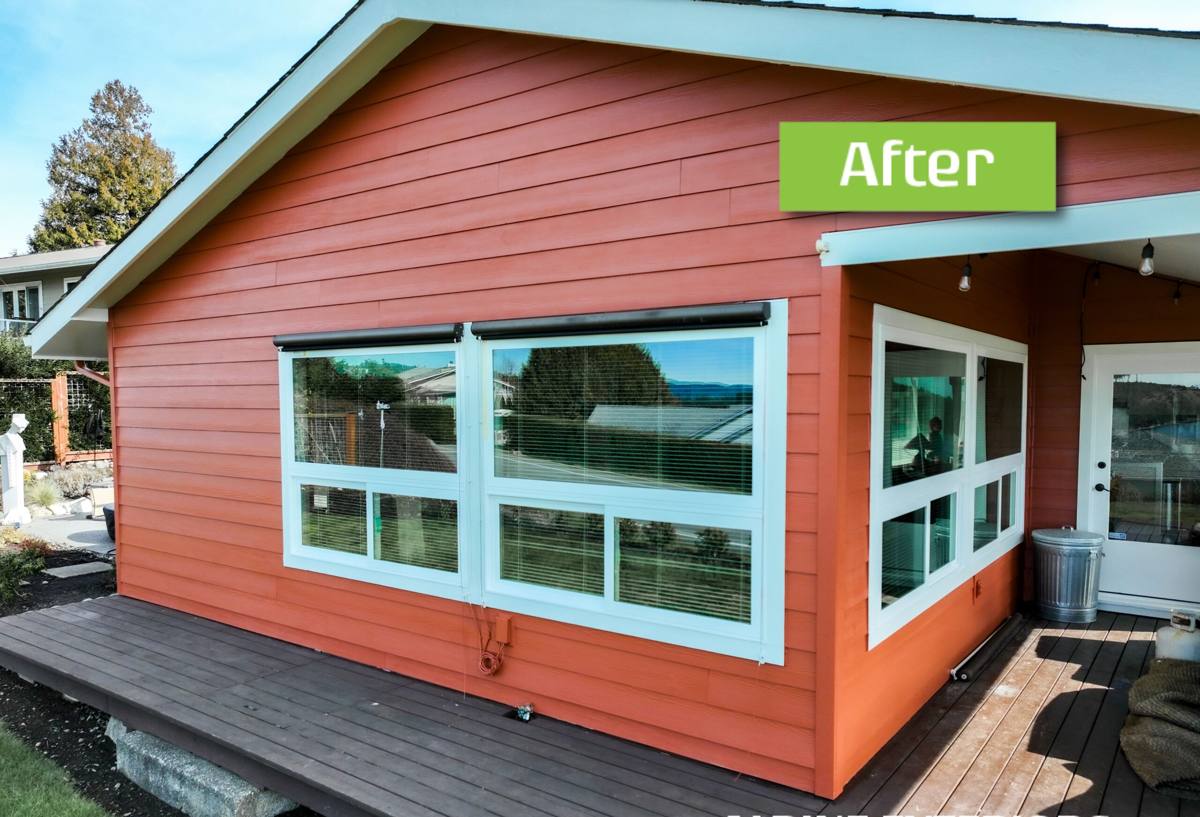
 Siding Installation in Sunnyland: Built for This Neighborhood's Weather
Sunnyland is one of Bellingham's older, well-established residential neighborhoods, with mature tree canopy, a mix of home ages, and the kind of quiet, tucked-in streets that make it a desirable place to live. That same character — big trees, close-set lots, proximity to Bellingham Bay — is exactly what makes siding on a Sunnyland home age differently than siding on a house out in the open county. Shade holds moisture longer. Salt-laden air off the Bay works its way into fasteners and seams. And Whatcom County's long, wet stretch of the year gives moss and algae more months than most regions to take hold.
This page covers what siding installation actually requires for a Sunnyland home given that climate, what a correct installation involves step by step, and why a crew that already works this neighborhood — not one driving in from out of the area for a single job — makes a real difference in how the work turns out.
What Bellingham's Climate Does to Siding Over Time
Three factors define siding performance here, and they compound each other rather than acting alone.
Salt Air
Homes closer to Bellingham Bay deal with airborne salt that accelerates corrosion on exposed fasteners, flashing, and any metal trim. Over years, this shows up as rust streaking, loosened fastener heads, and premature failure of hardware that wasn't rated for a coastal environment.
Driving Rain
Bellingham doesn't just get a lot of rain — it gets wind-driven rain that hits siding at an angle instead of falling straight down. That matters because it pushes water into laps, seams, and butt joints that would stay dry in a calmer climate. Siding installed without proper overlap, flashing, and drainage behind it will eventually let that water in, even if the surface looks fine.
Moss and Algae Season
Shaded, tree-lined streets like the ones common in Sunnyland keep siding damp longer after every rain. Combined with a mild year-round temperature range, that gives moss, algae, and mildew a long growing season on any surface that holds moisture — especially north-facing walls and anything tucked under overhangs or big conifers.
None of this means siding is doomed in Whatcom County. It means the material choice and the installation details have to account for these conditions from day one, not get patched around later.
Signs a Sunnyland Home Needs New Siding
- Soft, spongy, or crumbling spots when you press on the siding, especially near the bottom courses or under windows
- Persistent moss or dark streaking that comes back within weeks of cleaning
- Visible cupping, warping, or separation at seams and corners
- Peeling or bubbling paint, or a chalky residue on your hand after touching the surface
- Rust bleeding from fastener heads or trim
- Rising energy bills with no other explanation, which can point to gaps letting in moisture and air behind the siding
- Interior signs like musty smells, staining, or bubbled drywall on exterior-facing walls
If you're seeing more than one of these, it's worth having someone look at the wall assembly, not just the surface — by the time siding shows visible damage, the water intrusion behind it may already be well underway.
What a Correct Siding Installation Actually Involves
Siding is a water-management system, not just a finish layer. A correct installation gets several things right that aren't visible once the job is done:
Tear-Off and Inspection
Old siding comes off so the sheathing underneath can actually be inspected — not guessed at. Any rot, soft sheathing, or existing moisture damage needs to be found and repaired before anything new goes up. Covering over a damaged wall with new siding just hides the problem for a few more years.
Weather-Resistive Barrier
A properly lapped and sealed weather-resistive barrier goes on the sheathing, giving the wall a second line of defense if water ever gets past the siding itself. In a driving-rain climate like Bellingham's, this layer is not optional.
Flashing and Drainage Details
Every window, door, and penetration needs flashing that directs water back out, not into the wall. A rainscreen or drainage gap behind the siding lets any moisture that does get in evaporate and drain instead of sitting against the sheathing — a detail that matters more in shaded, damp neighborhoods than in drier climates.
Fastening
Corrosion-resistant fasteners, set to the manufacturer's specified depth and pattern, matter enormously near the Bay. Overdriven or underdriven nails are one of the most common causes of premature siding failure, and it's a detail that's invisible from the ground once the job is finished.
Joints, Caulking, and Finish Work
Butt joints, corners, and trim need to be sealed and finished to the product's installation spec — not just caulked over gaps. This is where a lot of corner-cutting happens on rushed jobs, and it's usually the first place problems show up.
| Installation Step | Why It Matters in Sunnyland's Climate |
|---|---|
| Sheathing inspection before re-siding | Catches hidden rot from years of wind-driven rain before it's sealed behind new siding |
| Weather-resistive barrier, properly lapped | Backup protection against driving rain that gets past the siding surface |
| Rainscreen / drainage gap | Lets moisture trapped by shade and humidity dry out instead of sitting against the wall |
| Corrosion-resistant fasteners, correct depth | Resists the accelerated corrosion caused by salt air off Bellingham Bay |
| Proper flashing at windows and trim | Directs water out and away instead of into seams, where driving rain pushes hardest |
Why We Install Only James Hardie Fiber Cement
For a neighborhood like Sunnyland — shaded lots, coastal humidity, a long wet season — the siding material itself has to hold up to sustained moisture exposure without becoming a maintenance burden. That's why we standardized on James Hardie fiber cement and don't install vinyl, LP SmartSide, or wood products. Fiber cement is non-combustible, doesn't swell or rot the way wood-based products can when they stay damp for extended periods, and Hardie's ColorPlus factory finish is baked on to resist the fading and peeling that painted wood and some engineered products are prone to in this climate. Hardie's HZ5 product line is specifically engineered for cold, wet climates like ours, and it comes with a strong transferable warranty when installed to Hardie's own specifications — which is a big part of why correct installation, not just correct material, is the whole job.
Our Process for Sunnyland Siding Jobs
- Free on-site assessment. We walk the exterior, check for existing moisture damage, and talk through what your home actually needs — not a generic package.
- Written estimate. Scope, product line, color, and cost laid out clearly before any work starts.
- Tear-off and sheathing check. Old siding comes off, the wall gets inspected, and any repairs are addressed and documented before we move forward.
- Weather barrier and drainage install. The moisture-management layer goes in first, correctly lapped and sealed.
- Hardie installation to spec. Fastening, flashing, and joint details done to manufacturer requirements so the warranty stays valid.
- Final walkthrough. We go over the finished job with you before calling it complete.
What Affects the Cost of a Siding Installation
| Factor | How It Affects Your Project |
|---|---|
| Home size and wall complexity | More corners, gables, and trim details mean more labor and material |
| Existing sheathing condition | Rot or moisture damage found during tear-off requires repair before new siding goes on |
| Siding profile and Hardie product line | Lap, shingle, and panel styles vary in material and installation time |
| Access and site conditions | Mature trees, tight lot lines, and shaded, damp ground common in older neighborhoods can affect staging and scheduling |
| Trim and detail work | Window and door trim, corner boards, and fascia detailing add labor beyond the flat wall area |
Every Sunnyland home is a little different, which is why we walk the property before giving a number rather than quoting off a phone call.
Before You Hire a Siding Crew
- Ask whether they inspect and repair sheathing before installing new siding, not just over it
- Confirm the crew is a certified installer for the product they're proposing, since manufacturer warranties often depend on it
- Ask how they detail flashing and drainage behind the siding, not just the finished look
- Get the estimate in writing, with product line and scope spelled out
- Ask if they've worked in your specific neighborhood and understand its exposure — a shaded, tree-covered lot near the Bay is a different job than a home out in open sun
Why a Crew That Already Works Sunnyland Matters
Every neighborhood in Bellingham has its own exposure pattern — how much direct sun it gets, how close it sits to the water, how old the housing stock is, how much tree cover shades the walls. A crew that regularly works Sunnyland has already seen how these homes hold up over time and knows where moisture problems tend to start on this kind of lot. That familiarity means fewer surprises during tear-off and a job that's built for the conditions the siding will actually face, not a generic install dropped in from a crew that mostly works elsewhere in Whatcom County.
If your Sunnyland home's siding is showing its age, or you're planning ahead before problems start, we're happy to take a look and give you a straight answer about what it needs. Reach out for a free, no-pressure estimate — we'll walk the property, explain what we see, and give you a clear, honest recommendation either way.