 Bellingham Exterior
 Why Siding Replacement in Columbia Isn't a Generic Job
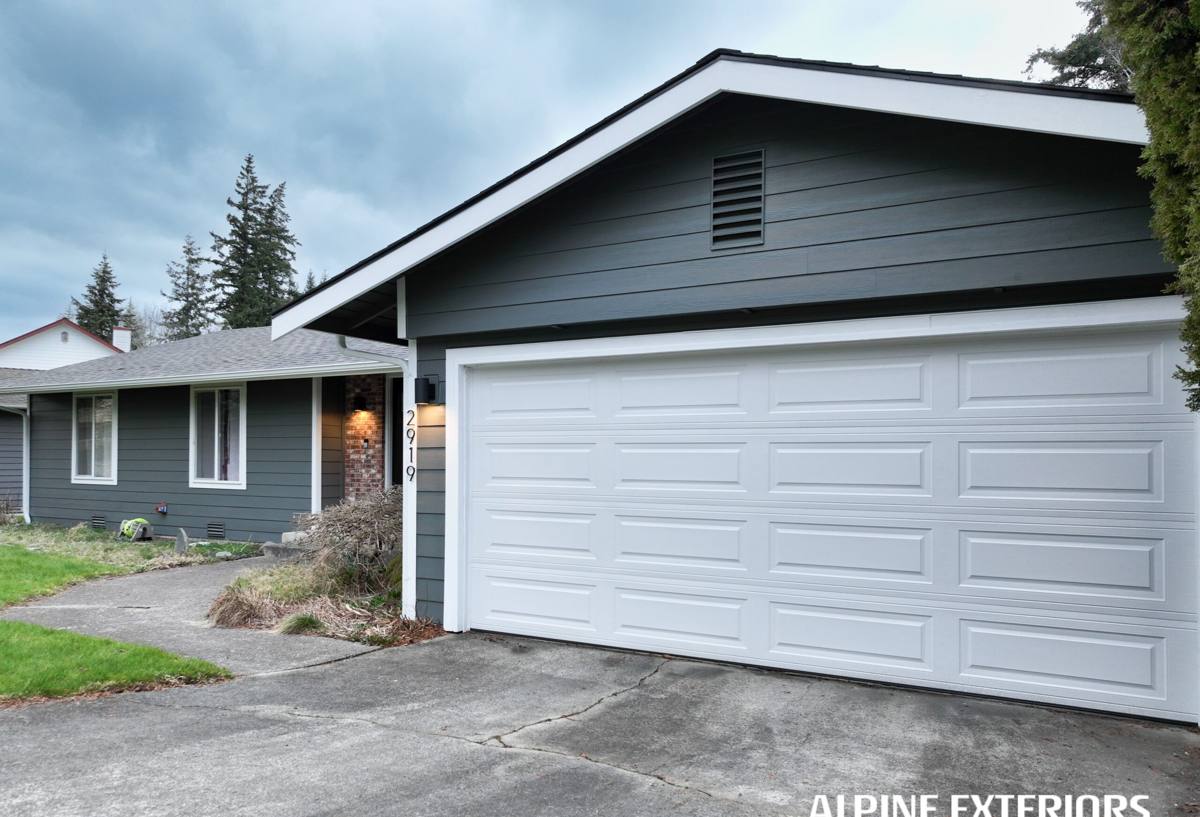
Columbia is one of Bellingham's older, established neighborhoods, which means a lot of its homes are carrying original siding, or a prior replacement, that's now thirty, forty, or more years into a fight with Whatcom County weather. That fight isn't gentle. Bellingham sits close enough to the water that salt-laden air reaches inland further than most homeowners realize, and it combines with near-constant seasonal moisture to create conditions that punish anything less than a properly installed, climate-appropriate siding system. A siding replacement here isn't just a cosmetic swap — it's a chance to correct whatever the original installation got wrong and put a product on the house that's actually built for this environment.
We approach every Columbia project the same way: assess what the existing siding and sheathing are telling us about moisture history, then install a system engineered for Pacific Northwest exposure — not a product line borrowed from a drier climate and hoped to hold up here.
What Bellingham's Climate Actually Does to Siding
Salt Air
Homes anywhere near Bellingham Bay deal with airborne salt that accelerates corrosion on fasteners, flashing, and any metal trim components. Over time, salt exposure also breaks down cheaper paint films and finishes faster than inland weathering alone would, which is part of why factory-cured finishes matter so much more here than in landlocked markets.
Driving Rain
Whatcom County rain rarely falls straight down. Wind-driven rain off the Sound pushes moisture sideways into siding laps, corner boards, and trim joints — exactly the spots where a rushed or under-flashed installation fails first. A siding system that isn't detailed correctly at these transition points will eventually let water behind the cladding, and once that happens, the sheathing and framing are at risk long before anyone sees a visible problem on the surface.
Moss and Prolonged Dampness
Bellingham's moss season isn't a two-week nuisance — shaded, north-facing, and tree-covered walls (common throughout Columbia's mature, tree-lined lots) can stay damp for months at a stretch. Moss and algae hold moisture against the siding surface, and on porous or poorly finished materials that constant dampness accelerates rot, delamination, and paint failure. Siding replacement in this neighborhood has to account for shade patterns on the specific lot, not just a generic climate zone.
Signs a Columbia Home Needs Siding Replacement, Not Just Repair
- Soft or spongy spots when you press on the siding, especially near the bottom courses or below windows
- Paint that won't hold — repeated repainting every few years instead of a stable finish
- Visible cracking, buckling, or warping panels, particularly on sun-exposed and shaded elevations
- Persistent moss or black streaking that returns quickly after cleaning
- Rising energy bills that point to gaps or failed weather barriers behind the cladding
- Siding style badly mismatched to a home's age and character, or previous patch-repairs that were never blended in
If you're only seeing one or two of these, a targeted repair might still make sense. If several apply, or if there's evidence of moisture reaching the sheathing, full replacement is usually the more honest recommendation — patching over a failing water management system just delays the real cost.
What We Install, and Why
We install James Hardie fiber cement siding exclusively. We don't offer vinyl, LP SmartSide, Cemplank, Allura, or primed wood siding as alternatives, and that's a deliberate standard, not an oversight.
Fiber cement is non-combustible and dimensionally stable — it doesn't expand and contract with temperature and humidity swings the way wood-based or vinyl products do, which matters directly in a climate that cycles through wet, cold, and salt exposure year-round. Hardie's ColorPlus finish is baked on at the factory under controlled conditions, rather than field-painted on site, which gives it far better resistance to fading, chipping, and the kind of moisture-driven finish failure that shows up early on lower-quality products in coastal Washington. Hardie also engineers region-specific product lines (HZ5, for the Pacific Northwest's freeze-thaw and moisture profile) rather than selling one formulation everywhere.
We're not going to tell you every other product on the market is worthless — vinyl is inexpensive and low-maintenance, engineered wood has a warmer look some homeowners prefer, and cedar has genuine character. But each comes with a real trade-off we're not willing to install and then walk away from: vinyl can warp and fade and doesn't hold paint if you ever want to change color; engineered wood products are more sensitive to installation errors and ongoing moisture management; cedar demands a maintenance commitment most homeowners underestimate. Fiber cement, installed correctly, gives Columbia homes the best balance of durability, appearance, and long-term cost in this specific climate.
What a Correct Siding Replacement Actually Involves
The material is only half the equation — installation quality determines whether that material performs for twenty-plus years or fails in five. A correct job on a Columbia home includes:
Full Tear-Off and Sheathing Inspection
We remove the existing siding rather than installing over it, because covering up hidden rot or moisture damage just hides the problem under a new layer. This is also the point where we find out what the last thirty years of Bellingham weather actually did to the wall assembly.
Weather-Resistive Barrier and Flashing
A properly lapped weather barrier, correctly integrated window and door flashing, and detailed corner and penetration flashing are what actually keep driving rain out — the siding itself is the second line of defense, not the first. This is the step that gets shortcut most often on lower-bid jobs, and it's the step that matters most in this climate.
Proper Fastening and Clearances
Hardie has specific fastener spacing, type, and embedment requirements, along with minimum clearances from grade, roofing, and decking. Getting these wrong voids warranty coverage and creates the exact gaps where moisture and pests get in.
Caulking and Joint Treatment
Every joint, seam, and trim intersection is a potential water entry point. Correct sealant selection and application — not just "caulk everything and hope" — is part of what separates a durable installation from one that needs attention again in a few years.
Ventilation Behind the Cladding
Rainscreen or drainage gap detailing lets any moisture that does get behind the siding actually dry out instead of sitting against the sheathing — especially important on the shaded, moss-prone elevations common throughout Columbia's tree-covered lots.
Our Process, Start to Finish
- On-site assessment — we look at your home's actual exposure, shade pattern, existing siding condition, and any signs of past moisture intrusion before quoting anything.
- Written estimate — a clear scope covering tear-off, repair allowances for any hidden sheathing damage, product line and color, and timeline.
- Prep and protection — landscaping, walkways, and windows protected before demo begins.
- Tear-off and sheathing repair — old siding removed, damaged sheathing replaced, not papered over.
- Weather barrier and flashing installation — the water management layer, done to manufacturer spec.
- Hardie siding installation — correct fastening, clearances, and joint treatment throughout.
- Trim, caulking, and cleanup — finish details completed and the site cleared.
- Final walkthrough — we go over the finished work with you before calling the job done.
Cost Factors for Columbia Siding Replacement
Every home is different, but the following factors are what actually move the price on a job like this — useful to know before you start comparing quotes:
| Factor | Why It Matters |
|---|---|
| Home size and wall complexity | More corners, gables, and trim details mean more labor and material waste |
| Existing sheathing condition | Moisture damage found during tear-off adds repair scope — common on older Columbia homes |
| Siding profile and accent work | Lap width, shingle-style accents, and board-and-batten details cost more than a single uniform profile |
| Story height and access | Two-story walls, steep grades, and limited side-yard access affect scaffolding and labor time |
| Trim and flashing scope | Window, door, and roofline flashing done correctly takes real time — it's not an area to shortcut for a lower bid |
| Color and finish selection | Factory ColorPlus finishes carry a premium over field-primed product but eliminate a repaint cycle |
Be cautious of bids that come in far below others for the same scope — it usually means flashing, tear-off, or fastening detail is being cut somewhere you won't see until years later.
Why a Crew That Already Works Columbia Matters
Bellingham's siding needs aren't uniform across every neighborhood — a shaded, tree-covered lot a few blocks from Whatcom Falls behaves differently than an open, wind-exposed property closer to the water. A crew that's worked in and around Columbia has a feel for how moss, shade, and driving rain actually behave on the mix of home styles here, from older bungalows to more recently updated houses, and knows what tends to go wrong with siding that wasn't detailed for this specific exposure. That local familiarity, paired with manufacturer-correct Hardie installation, is what keeps a siding job performing the way it's supposed to instead of needing attention again in a handful of years.
It also means someone who understands Whatcom County permitting and inspection expectations is handling that part of the job, so it's one less thing on your plate.
Maintaining Your New Siding Through Bellingham's Seasons
- Rinse siding annually, focusing on shaded and north-facing walls where moss and algae collect fastest
- Trim back vegetation and tree limbs that keep walls damp or in constant shade
- Inspect caulking at trim and window joints every year or two and re-seal if it's cracking or pulling away
- Keep gutters clear so overflow isn't running directly down the siding face
- Watch for any soft spots or staining near grade, which can signal a drainage or splash-back issue worth addressing early
Fiber cement with a factory finish needs far less attention than wood or vinyl, but "low maintenance" doesn't mean "no maintenance" — a little seasonal attention goes a long way in this climate.
If your Columbia home's siding is showing its age or you're planning ahead for a replacement, we're happy to take a look and walk you through what we'd actually recommend for your specific exposure — no pressure, no obligation. Use the form below to request a free estimate.