 Bellingham Exterior
 Siding Replacement in Happy Valley: Built for This Specific Neighborhood
Happy Valley sits close enough to Bellingham Bay to catch the salt-laden air coming off the water, and its mature tree canopy and rolling, often sloped lots mean a lot of homes here spend large parts of the year in shade, damp, and dropped organic debris. That combination is hard on exterior siding in ways that a generic "replace the siding" job doesn't address. A correct siding replacement in this neighborhood accounts for how moisture moves, where wind-driven rain hits hardest, and how much shade a given wall gets before the crew ever picks up a nail gun.
We work in this neighborhood regularly, and we've developed opinions about what holds up here and what doesn't. This page walks through what Happy Valley homes actually need from a siding replacement, what a job done right looks like from the water-resistive barrier out, and why the product and process matter as much as the crew doing the work.
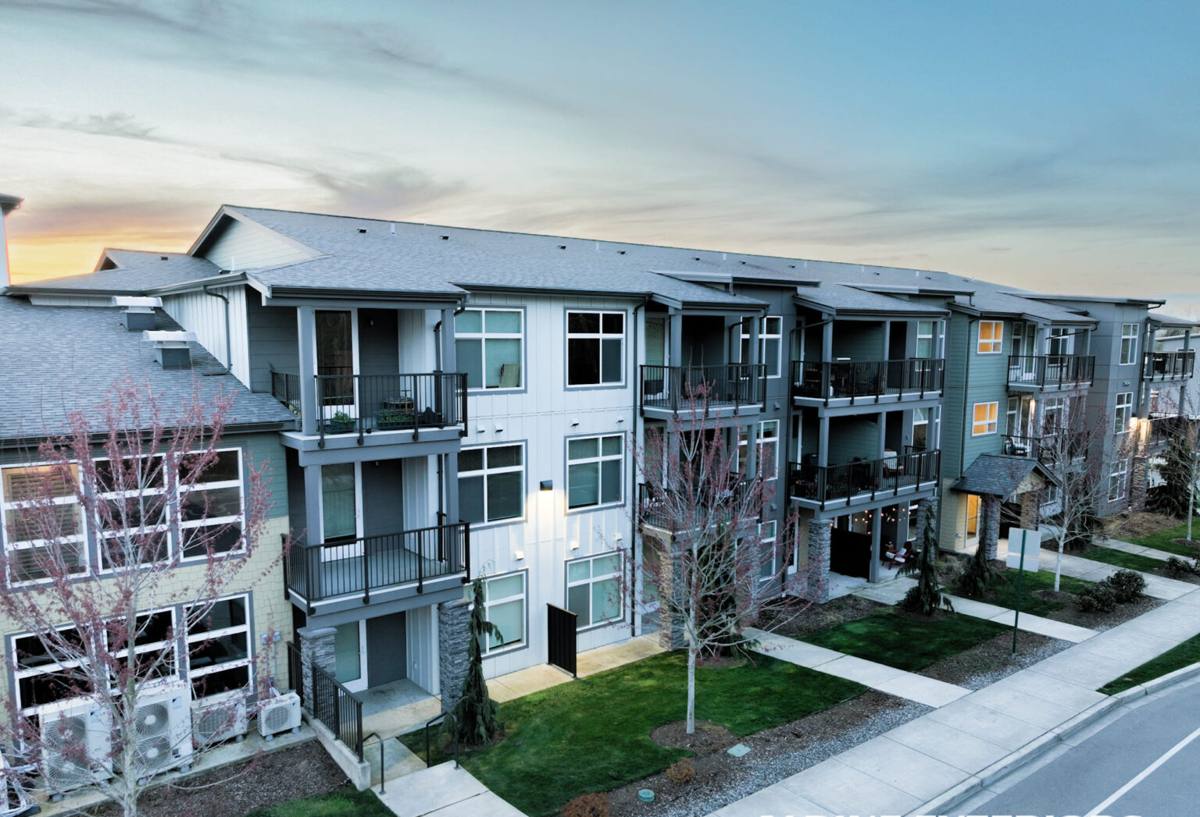
What Bellingham's Climate Does to Siding in Happy Valley
Whatcom County doesn't get the extreme storms some regions do, but it gets something arguably harder on siding: persistence. Rain that falls sideways during winter storms, humidity that lingers under tree cover, and a moss season that can stretch from fall through spring all add up to near-constant moisture exposure on north- and west-facing walls.
Salt Air and Metal Fasteners
Proximity to the bay means airborne salt settles on exterior surfaces, including the fasteners and trim flashing holding your siding together. Standard fasteners can corrode faster near the water than they would further inland, which is why fastener spec matters as much as the siding material itself.
Driving Rain and Wall Assemblies
Wind-driven rain doesn't just wet the surface of your siding — it tests every seam, joint, and penetration in the wall assembly behind it. A siding replacement that doesn't address the water-resistive barrier, flashing details, and drainage plane is solving half the problem.
Moss, Shade, and Organic Growth
Tree-covered lots like many in Happy Valley hold moisture longer after rain and see less direct sun to dry surfaces out. That's a recipe for moss, algae, and mildew staining on siding that isn't rated to handle sustained dampness — and it's a major reason wood-based and some engineered wood products struggle here long-term.
Why We Install Only James Hardie Fiber Cement
We don't install vinyl, LP SmartSide, Cemplank, Allura, primed spruce, or cedar. That's a deliberate standard, not a limitation of what we're capable of doing. Each of those products has real strengths, but each also has a trade-off that shows up over time in a climate like ours — vinyl can warp and fade and offers little protection against moisture intrusion at seams; engineered wood products rely on factory sealing that, once compromised at a cut edge or fastener hole, lets moisture in where wood fiber doesn't recover well; cedar and primed spruce require an ongoing maintenance commitment most homeowners don't want to sign up for, especially on a shaded, damp lot.
James Hardie fiber cement is non-combustible, dimensionally stable in wet-dry cycling, and holds a factory-applied ColorPlus finish that's formulated to resist the fading and staining that comes with shade and moisture. Hardie's HZ5 product line is engineered specifically for climates that see prolonged moisture exposure — which describes Happy Valley about as well as anywhere in Whatcom County. It's a product built for the problem this neighborhood actually has, not the problem a cheaper material assumes you have.
Signs a Happy Valley Home Needs Siding Replacement
Not every siding problem calls for full replacement, but certain signs mean patching or spot repair is just delaying a bigger bill. Walk your exterior — especially north-facing and tree-shaded walls — and look for:
- Soft or spongy spots when you press on the siding, especially near the bottom courses or around window trim
- Persistent black or green staining that returns quickly after cleaning
- Visible warping, bowing, or panels pulling away from the wall
- Peeling or bubbling paint that keeps recurring in the same spots year after year
- Moss or algae growth that's thick enough to hold moisture against the surface rather than shedding water
- Cracked or crumbling caulk at seams, corners, and trim joints
- Rising energy bills that suggest the wall assembly behind the siding is no longer doing its job
What a Correct Siding Replacement Involves
Swapping old panels for new ones is the visible part of the job, but it's not where most siding failures actually start. A replacement done to spec addresses the whole wall assembly:
Tear-Off and Inspection
Once the old siding comes off, we inspect the sheathing underneath for rot, soft spots, or prior water damage — common on shaded, tree-covered lots where moisture has had years to work on hidden framing. Any compromised sheathing gets replaced before anything new goes up.
Water-Resistive Barrier and Flashing
A new weather-resistive barrier goes on correctly lapped, and flashing is installed at every window, door, and penetration so water is directed out and down, never trapped behind the cladding. This is the step that determines whether your new siding lasts fifteen years or fifty.
Fastener and Clearance Spec
We follow James Hardie's fastener spacing and clearance requirements, including ground and roofline clearances that matter more on sloped, tree-covered lots where splashback and debris buildup are common. Corrosion-resistant fasteners matter more here given the salt air off the bay.
Finish and Detail Work
Trim, caulking, and touch-up painting at cut edges are finished to manufacturer spec, not just to look good on installation day. Cut-edge sealing in particular protects the factory finish's warranty coverage over the long run.
Our Process, Start to Finish
- On-site assessment — we walk the property, check wall orientation, shade exposure, and current siding condition wall by wall.
- Written estimate — a clear scope covering material, tear-off, sheathing repair contingencies, and timeline, with no vague allowances.
- Sheathing and barrier work — old siding removed, substrate inspected and repaired as needed, new barrier and flashing installed.
- Hardie installation — panels or lap siding installed to manufacturer fastener and clearance spec.
- Finish work — trim, caulking, and any cut-edge sealing completed.
- Final walkthrough — we review the finished job with you before calling it done.
Cost Factors for Siding Replacement in Happy Valley
Every home is different, but the same handful of factors drive most of the cost variation we see on jobs in this neighborhood:
| Factor | Why It Matters Here |
|---|---|
| Wall square footage and complexity | More corners, gables, and trim detail mean more labor and cut waste |
| Sheathing condition | Shaded, tree-covered lots see more hidden moisture damage discovered at tear-off |
| Access and lot slope | Sloped or tight lots common in Happy Valley can add setup and staging time |
| Siding profile chosen | Lap, panel, and shingle-style Hardie products vary in material and labor cost |
| Trim and detail scope | Window and corner trim replacement adds cost but affects long-term water management |
Maintenance After Installation: Living With Moss Season
James Hardie siding cuts down maintenance considerably compared to wood-based products, but no siding in a climate like ours is entirely maintenance-free. A yearly rinse to keep moss and organic buildup from taking hold, especially on shaded north walls, keeps the ColorPlus finish looking like it did on installation day. Keeping gutters clear and vegetation trimmed back from siding also reduces the moisture load your walls have to deal with — small habits that matter more in a neighborhood with this much tree cover than they would on an open, sun-exposed lot.
Why Local Experience in Happy Valley Matters
A contractor who's worked this neighborhood knows which walls take the worst of the driving rain, how much shade a given lot really gets through the year, and what sheathing condition to expect once tear-off starts on an older home. That's not something you get from a general estimate — it comes from doing the work here repeatedly and paying attention to what holds up and what doesn't. It also means we're not guessing at fastener spec or clearance requirements for this climate; we're applying what we've already confirmed works on homes like yours.
If you're seeing early signs of siding trouble on a Happy Valley home, or you're just ready to stop patching and do it right, we're happy to walk your property and give you a straightforward, no-pressure estimate. Use the form below to get started.