 Bellingham Exterior
 Why South Hill Homes Need Siding Built for This Climate
South Hill sits up on the slope above downtown Bellingham, which means most homes here catch more wind and more weather than houses tucked into lower, more sheltered parts of the city. That elevation and exposure is part of what makes South Hill a desirable place to live, but it's also exactly the kind of setting that wears out the wrong siding material faster than homeowners expect. Whatcom County's marine climate brings long stretches of wet weather every year, and on South Hill that shows up as driving rain that hits siding at an angle instead of falling straight down, salt-tinged air drifting up from Bellingham Bay, and a moss season that can stretch from fall through spring on shaded exteriors.
None of that is unusual for this part of the Pacific Northwest. What matters is whether the siding on a given home was actually installed to handle it. A lot of siding failures we get called out to inspect aren't failures of the material itself — they're failures of water management, flashing, or fastening that let moisture get in and stay in. On a hill like South Hill, with more wind-driven rain than a sheltered lot gets, those installation shortcuts show up sooner rather than later.
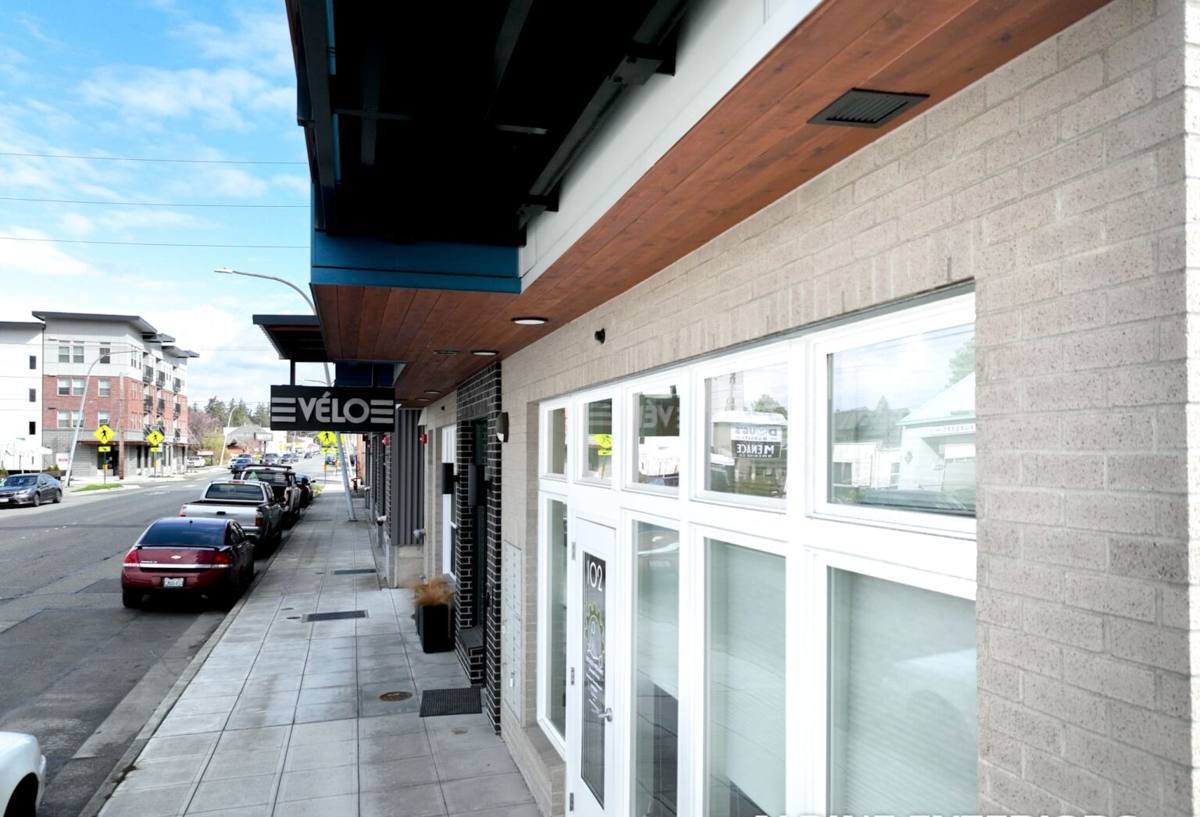
What South Hill's Housing Stock Means for a Siding Project
South Hill has a mix of older, established homes alongside newer construction, and that mix matters when we're scoping a siding job. An older home may have several layers of siding history underneath what's currently on the wall, moisture trapped behind trim that was never properly flashed, or sheathing that's been slowly absorbing water for years without any visible sign from the street. We don't assume a wall is in good shape just because the existing siding looks fine — we check what's underneath before we quote the job, because that's what actually determines the scope of work.
Mature tree cover is common throughout South Hill, and it changes how a house dries out after a storm. A wall that gets full sun in the afternoon sheds moisture quickly. A shaded wall, or one tucked under overhanging branches, can stay damp for days after the rain stops. That difference matters when we're planning ventilation behind the siding and deciding where extra attention to detail is worth it.
Why We Install Only James Hardie Fiber Cement Siding
We standardized on James Hardie fiber cement and don't install vinyl, LP SmartSide, or other engineered wood or composite siding products. That's not a marketing position — it's a decision built around what holds up in this specific climate over decades, not just the first few years after installation.
Fiber cement is a cement-based composite, not an engineered wood product, which means it doesn't have the same vulnerability to sustained moisture exposure that wood-based sidings do. It's also non-combustible, which is a meaningful consideration for homeowners thinking about long-term risk. Hardie's ColorPlus finish is baked on at the factory under controlled conditions, which gives it more consistent, longer-lasting color than field-applied paint, and it comes with a real transferable warranty backing the product.
Built for This Specific Climate Zone
Hardie engineers its HZ5 product line specifically for wetter, harsher climate zones like ours, rather than shipping the same panel to every region of the country. That engineering shows up in how the product handles moisture cycling — the repeated wetting and drying that South Hill siding goes through for months at a time every winter and spring.
What a Correct Installation Involves
The siding material is only part of the equation. Most of what determines whether a siding job lasts twenty years or fails in five happens behind the panels, where a homeowner will never see it once the job is done.
Water Management Behind the Panels
Every wall gets a weather-resistive barrier installed with proper overlaps, and flashing at every window, door, and penetration point where water could otherwise find its way behind the siding. On a house that catches wind-driven rain the way South Hill homes do, sloppy flashing details are usually where problems start.
Fastening and Clearances
Fiber cement has to be fastened according to the manufacturer's specifications — the wrong fastener type, spacing, or pattern can void the warranty and create long-term problems even though the siding looks correctly installed. Clearance from grade, roofing, and decking also matters more than people realize; too little clearance traps moisture right where the siding is most vulnerable.
Finishing Details
Caulking, trim work, and touch-up paint matched to the ColorPlus finish all affect how the finished job performs and looks over time. These are the details that separate a siding job that photographs well on day one from one that's still performing well after ten winters.
| Material | Moisture & Rot Resistance | Moss & Algae Resistance | Salt Air Performance | Typical Maintenance |
|---|---|---|---|---|
| James Hardie Fiber Cement | Strong — cement-based, not wood-based | Resists growth well when installed with proper drainage | Holds up well with correct fasteners and finish | Occasional washing; factory finish reduces repainting |
| Vinyl | Doesn't rot, but can warp or crack in temperature swings | Can trap moss/algae in seams and laps | Fasteners and trim pieces prone to corrosion over time | Low, but seams and panels can degrade with age |
| Wood or Cedar | Vulnerable to sustained moisture without diligent upkeep | Prone to moss and algae in shaded, damp conditions | Salt exposure accelerates weathering and finish breakdown | Frequent — refinishing, caulking, spot repairs |
| Engineered Wood (e.g. LP SmartSide) | Wood-based core is moisture-sensitive if compromised | Can support moss/algae growth if drainage is poor | Edge and seam sealing critical near salt air | Moderate — depends heavily on install quality |
Moss, Shade, and Long-Term Maintenance on South Hill
Moss doesn't care how good the siding material is — it grows wherever it finds shade, moisture, and something to hold onto. On South Hill's tree-shaded lots, north-facing and heavily shaded walls are the ones that see the most moss pressure over a typical wet season. A correctly installed rainscreen or drainage gap behind the siding lets that wall dry out between storms instead of staying damp, which makes a real difference in how much moss actually takes hold.
Gutters and downspouts matter here too. Water dumped too close to a wall, or overflow from a clogged gutter running down the siding face, creates exactly the conditions moss needs. Keeping gutters clear and directing runoff away from siding is one of the simplest things a homeowner can do to extend the life of a fiber cement installation.
Salt Air and Driving Rain: Coastal Exposure Considerations
Proximity to Bellingham Bay means South Hill homes get some degree of salt-laden air, especially on days with wind off the water. Salt air accelerates corrosion on fasteners and metal flashing that aren't rated for it, which is why fastener selection isn't something we treat as interchangeable — the wrong screw or nail in the wrong spot becomes the weak point in an otherwise sound wall.
Driving rain adds a second layer of demand. Rain that hits a wall at an angle, rather than falling straight down, tests lap details, caulking, and flashing much harder than a calm, straight-down rain would. Getting those overlap details right at the time of installation is what keeps wind-driven rain from working its way behind the panels over years of exposure.
Our Process for a South Hill Fiber Cement Siding Job
Every job starts with an honest look at what's actually on the wall and what's underneath it, not just a quote based on square footage.
- On-site assessment of existing siding, sheathing condition, and any signs of trapped moisture
- Removal of old siding and inspection of the wall assembly before anything new goes up
- Repair of any damaged sheathing or framing found during tear-off
- Installation of a properly lapped weather-resistive barrier and flashing at every penetration
- Installation of James Hardie fiber cement panels or lap siding per manufacturer fastening specifications
- Trim, caulking, and finish work matched to the ColorPlus factory finish
- Final walkthrough and cleanup before the crew leaves the site
Why Hiring a Crew That Already Works in South Hill Matters
A contractor who already works this neighborhood knows the kind of exposure a given lot is likely to see based on where it sits on the hill, how much tree cover surrounds it, and which walls tend to hold moisture longest. That's not something you get from a generic bid — it comes from having done the work here before and having seen what actually happens to siding on South Hill homes over time. It also means fewer surprises during permitting and a crew that understands the character of the neighborhood well enough to do the job right the first time.
If you're weighing a siding project for a South Hill home, we're happy to take a look and walk you through what your specific house needs — no pressure, no obligation. Use the form below to request a free estimate.