 Bellingham Exterior
 Siding Repair Built for Sudden Valley, Not for a Typical In-Town Lot
Most siding repair advice online assumes a house sitting on an open, sunny lot in a standard subdivision. That advice doesn't hold up well in Sudden Valley. Homes here sit in a heavily wooded community on the south shore of Lake Whatcom, tucked under second-growth forest, with hilly terrain and a private road network that changes access and scheduling compared to an in-town job. The siding damage we find on a Sudden Valley repair call is often different from what we see closer to downtown Bellingham, and the repair itself needs to account for that, not just patch the visible symptom and move on.
We repair siding throughout Sudden Valley and install only James Hardie fiber cement, on repairs as well as full re-sides. This page covers what actually causes siding damage in this specific setting, what a correct repair involves, and how to tell a real fix from one that will fail again in a season or two.
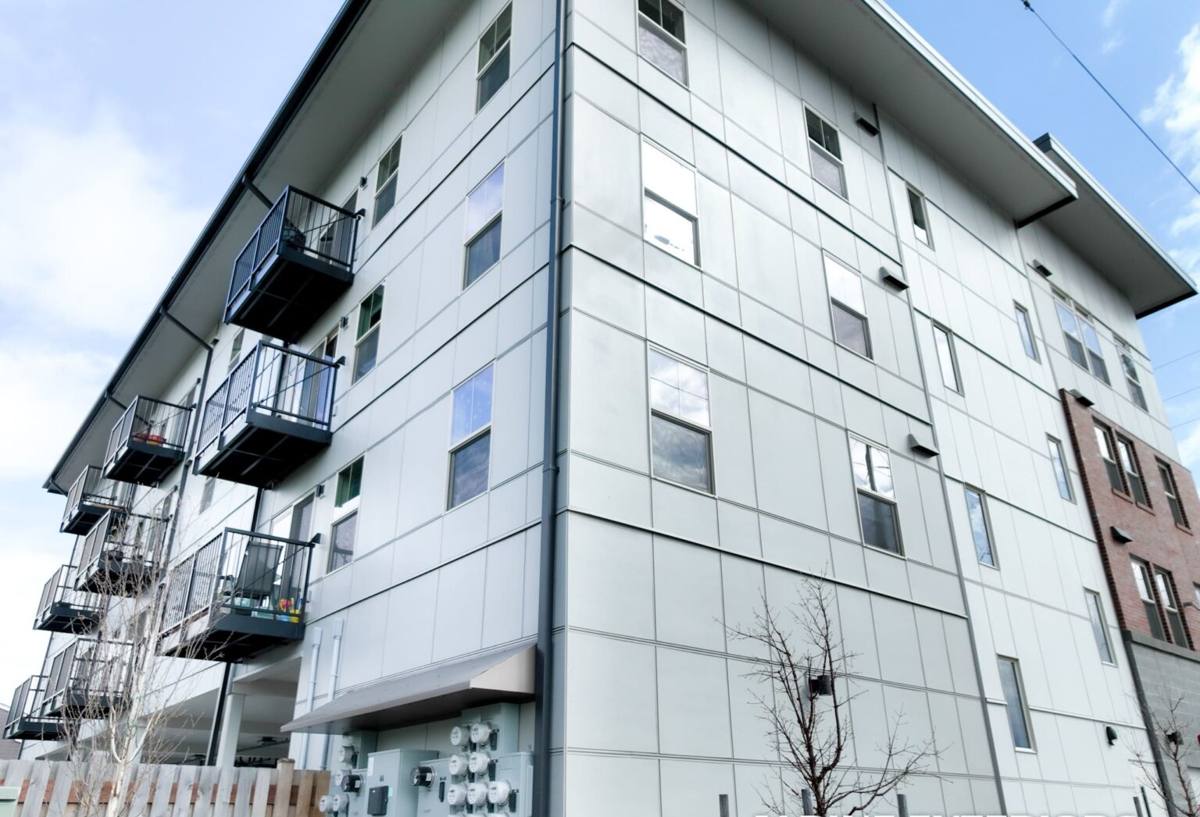
Why Siding Fails Faster in This Setting
Whatcom County's marine climate brings salt-tinged air off Bellingham Bay to much of the region, but Sudden Valley sits several miles inland on the shore of Lake Whatcom, so it isn't salt exposure driving siding failure here the way it might on a waterfront lot closer to the Sound. What drives it instead is the combination below, and it's just as demanding on a wall system in its own way.
Shade That Never Lets a Wall Fully Dry
Dense tree cover is the defining feature of most Sudden Valley lots, and it means a lot of wall surface never sees direct sun for months at a time. Siding that would dry out within hours on an open lot can stay damp for days here. That extended dampness is what breaks down moisture-sensitive materials at the seams, cut edges, and fastener points long before their expected service life is up.
Driving Rain and Lake Humidity
Lake Whatcom adds moisture to the air on top of Whatcom County's already wet climate, and the hilly, varied terrain around Sudden Valley means wind-driven rain doesn't hit every wall the same way. One elevation of a house can take direct wind and rain while another stays sheltered and just stays damp. Repairs that don't account for which wall is actually exposed, versus which one is just chronically humid, tend to miss the real cause of the damage.
A Moss Season That Runs Most of the Year
Shade, humidity, and mild temperatures keep moss and mildew active in Sudden Valley for a much longer stretch of the year than in sunnier parts of the county. Moss on siding isn't just cosmetic — it holds moisture directly against the surface it grows on, and on materials that absorb water, that constant contact accelerates rot and finish failure at exactly the spots moss tends to collect: under eaves, behind gutters, and along ground-level courses where debris builds up.
The Repair Calls We See Most Often Here
- Rot at the bottom courses and butt joints — the lowest boards and horizontal seams hold moisture longest, especially where landscaping, mulch, or debris sits close to the wall.
- Cracked or split boards from falling debris — branches, cones, and windfall from surrounding trees are a real source of impact damage here that a more open lot doesn't deal with as often.
- Failed caulking and open seams — caulk has a service life measured in years, not decades, and once it fails, water gets behind the siding at exactly the joints designed to keep it out.
- Nail pops and loose or bowing panels — common on older installations where fastening wasn't done to spec, made worse by repeated wet-dry cycling in shaded conditions.
- Moisture staining, soft spots, or discoloration around trim and window flashing — usually a sign the problem isn't the siding itself but a flashing detail that's letting water in behind it.
- Moss and mildew staining that keeps returning — a cosmetic complaint on the surface, but often a signal that a wall section isn't drying out between rains the way it should.
What We Actually Check Before Quoting a Repair
The mistake we see most often from repairs done by someone unfamiliar with this kind of property is treating the visible damage as the whole problem. A cracked board gets swapped out, a stained section gets caulked and painted over, and the underlying cause — trapped moisture, a bad flashing lap, chronic shade that never lets that spot dry — never gets addressed. It looks fixed for a season, then the same spot fails again.
A proper assessment goes past the surface. We check the sheathing and framing behind damaged siding for softness or rot, since siding damage in a shaded, wet environment often means the wall assembly behind it has been wet longer than the siding alone would suggest. We look at how water is actually reaching that section — is it splashing up from grade, running down from a failed piece of flashing above, or just sitting there because the wall never gets sun — because the answer changes what the repair needs to include.
Timing a Repair Around the Wet Season
Whatcom County's wet season runs long, and a damaged section of siding left open to weather for weeks while a homeowner puts off the call almost always gets worse, not better. A gap in the siding envelope during a stretch of driving rain can soak sheathing that was otherwise fine, turning a board-level repair into a framing repair. We don't push unnecessary urgency on cosmetic issues, but on anything that's actually let water past the siding plane, especially heading into the wetter months, getting it closed up sooner rather than later matters more in this climate than in a drier region.
Repair or Replace? How We Make That Call
| Situation | Repair usually makes sense | Replacement usually makes sense |
|---|---|---|
| Damage extent | Isolated boards or sections, sound siding elsewhere | Damage recurring across multiple walls or elevations |
| Sheathing/framing behind siding | Dry and solid once opened up | Soft, stained, or showing rot behind more than one section |
| Cause of the damage | Isolated impact (falling debris) or a single failed detail | Systemic moisture problem from age, shade, or original installation |
| Material match | Existing Hardie siding, color and profile available to match | Original material is discontinued, a different brand, or badly faded |
| Age of the siding | Well within expected service life | Nearing or past it, with repair costs adding up over time |
Most Sudden Valley homes we look at fall somewhere on that spectrum rather than cleanly on one side, and part of an honest quote is telling a homeowner when a repair is a reasonable near-term fix versus when it's a way of delaying a re-side that's coming regardless. We'll say so either way.
What a Correct Siding Repair Involves
- Diagnose the actual cause of the damage, not just the visible symptom, including a check of the wall assembly behind the affected siding.
- Remove damaged material carefully enough to avoid stressing or cracking the sound siding around it.
- Replace or repair any water-damaged sheathing, framing, or house wrap found underneath before new siding goes back on.
- Restore or correct flashing and drainage detailing at that section, especially around any window, door, or trim penetration nearby.
- Install replacement siding with correct fastener type, spacing, and clearance to match Hardie's published specifications.
- Match color and profile as closely as the existing installation allows, and set expectations up front about weathering differences on older sections.
Why We Repair With James Hardie — Even on a Small Patch Job
We install only James Hardie fiber cement, and that standard doesn't change for a repair. When we're matching into existing Hardie siding, that's straightforward — we work from Hardie's current color and profile lineup and get as close a match as the age and fade of the original allows. When a home has an older, discontinued siding product or a different brand altogether, we'll talk through the honest options rather than pretend a patch will disappear invisibly.
We won't patch a damaged section with vinyl or LP SmartSide just because it's cheaper or faster, even as a stopgap. Mixing materials at a repair site creates a seam with two different expansion rates, two different moisture behaviors, and two different service lives — which usually just relocates the next failure point rather than solving it. Hardie's factory-applied ColorPlus finish also matters here specifically: it resists fading and moisture-driven chalking far longer than field-applied paint, which is the difference that shows on a shaded Sudden Valley wall that stays damp longer than most.
Our Process for a Sudden Valley Repair
We start with an on-site look at the damage and the wall behind it, not a photo estimate, because the real cause of siding failure in this setting is rarely obvious from the outside alone. From there we give a clear, written scope — what's being repaired, what we expect to find once we open it up, and what happens if we find more damage than the surface suggested. Sudden Valley's private road network and HOA governance are part of routine scheduling for us, not a surprise on the day of the job, since we've worked this community regularly enough to know how access and timing typically work here. We clean up thoroughly and leave the site the way we found it, aside from the repair itself.
Why Hiring a Crew That Already Works Sudden Valley Matters
A siding repair looks like a small job on paper, which is exactly why it's easy for it to get done poorly. A crew unfamiliar with this specific combination of shade, hilly terrain, and lake humidity can swap a board, caulk the edges, and call it finished without ever checking whether the wall behind it is still wet. That kind of repair often looks fine for a season and then fails again, sometimes worse than before because the underlying moisture problem had more time to spread. A crew that works Sudden Valley regularly also has a better feel for how quickly a specific lot dries out between visits, which matters when scheduling a repair around a private road system and an HOA that manages shared access for the whole community.
A Quick Checklist Before Hiring for a Siding Repair Here
- Ask whether they'll check the sheathing and framing behind the damaged siding, not just replace the visible boards
- Confirm current Washington contractor licensing and active liability insurance
- Ask what siding material and brand they're matching into, and whether they'll mix materials to save cost
- Ask about their experience with HOA or private-road communities like Sudden Valley, including access and scheduling
- Get a written scope of work, including what happens if they find more damage once the section is opened up
If you've got a section of damaged, stained, or cracked siding on a Sudden Valley home and want a straight read on whether it needs a repair or something more, we're glad to take a look. Reach out below for a free, no-pressure estimate.