 Bellingham Exterior
 Windows Built for Sudden Valley's Lake-and-Tree Microclimate
Sudden Valley sits tucked against Lake Whatcom's shoreline and tree cover southeast of Bellingham, and that setting creates its own window-wearing conditions. Homes here get less direct sun than open lots closer to town, more standing moisture from the lake's humidity, and heavier moss and algae growth on north-facing walls and sills because the tree canopy keeps everything shaded and damp longer into the day. Add in the driving rain and marine air that move through Whatcom County most of the year, and you've got a combination that's harder on window frames, seals, and sills than a lot of homeowners realize until they're dealing with fogged glass, soft wood, or a draft that won't go away.
None of that means Sudden Valley homes need anything exotic — it means the installation has to account for moisture management and shade from day one, not as an afterthought. That's the whole difference between a window that looks fine for a couple years and one that actually holds up here.
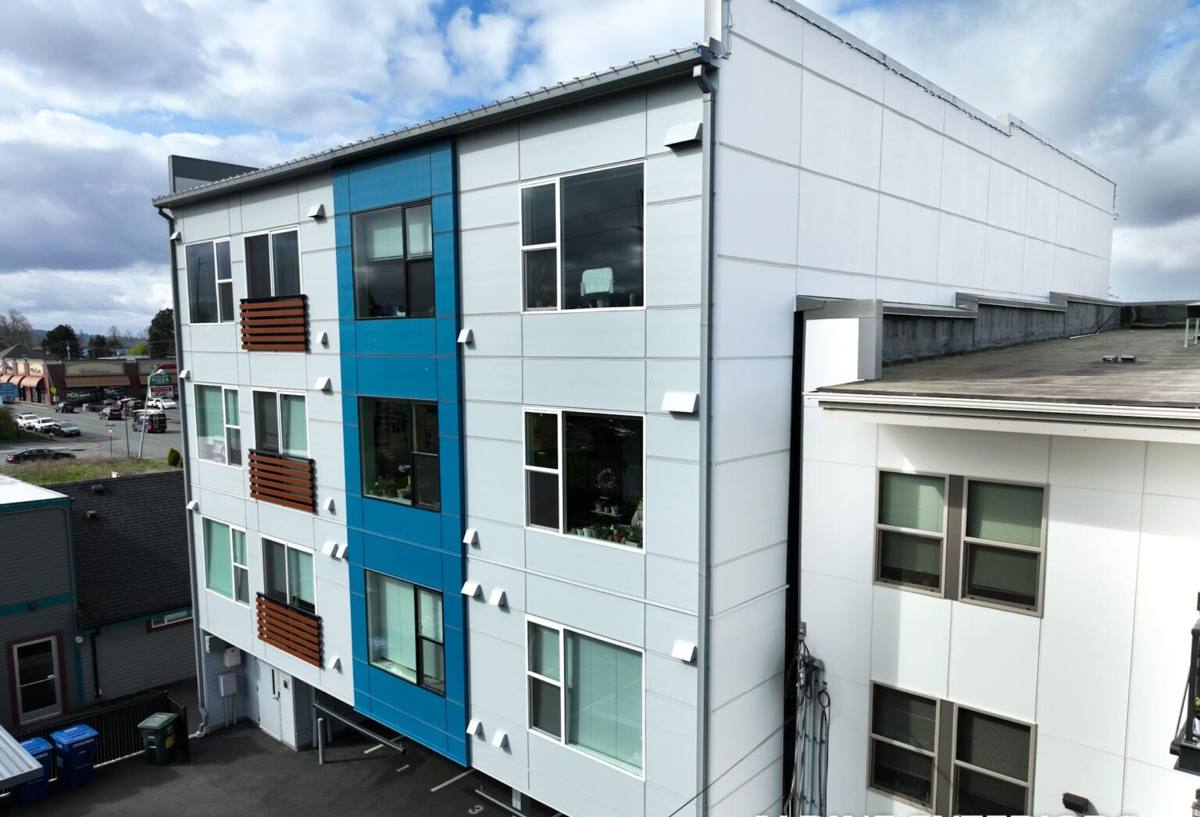
What Actually Fails First on Sudden Valley Homes
We see the same handful of issues repeat across this neighborhood, almost always tied back to the site conditions rather than the window brand itself.
- Fogged or foggy double-pane glass — the seal between panes has failed and moisture is trapped inside the glass unit. This isn't repairable; the sash or the whole unit needs replacing.
- Soft or rotting wood at the sill and lower frame — common on original wood-frame windows that have sat under tree cover for decades without enough sun to dry out between rain events.
- Moss and green staining on sills and lower trim — mostly cosmetic early on, but it holds moisture against the wood or vinyl and accelerates whatever's already wearing down underneath.
- Drafts and cold spots — usually not the glass itself but failed weatherstripping or a frame that was never properly air-sealed to the rough opening in the first place.
- Condensation on the inside of the glass — a sign of a single-pane or older window struggling against indoor humidity, which tends to run higher in homes with a lot of shade and less airflow.
What a Correct Installation Actually Involves
The window unit itself is maybe a third of what determines whether the job lasts. The rest is how it's flashed, sealed, and fitted into the wall — and that part is where most of the corner-cutting happens on rush jobs.
Flashing and Water Management
Every window opening needs a drainage path so any water that gets past the exterior cladding has somewhere to go besides into your wall framing. That means sill pan flashing under the unit, house wrap or building paper integrated correctly at the sides and head, and a weep path that isn't blocked by caulk or trim. On a property like Sudden Valley, where wood-framed walls sit under tree cover and rarely get a full day of sun to dry out, getting this wrong is what eventually shows up as rot you can't see until it's already spread into the framing.
Air Sealing and Insulation
The gap between the window frame and the rough opening needs to be sealed with the right material — not just stuffed with fiberglass insulation, which does very little to stop air movement. A proper low-expansion foam or backer rod and sealant combination closes that gap without bowing the frame out of square.
Fit, Level, and Square
A window that's slightly out of square will bind, won't lock properly, and will wear its weatherstripping unevenly. It's a five-minute check with a level and a square during install, and skipping it is the single most common reason a "new" window starts sticking or leaking air within the first year or two.
Choosing the Right Window Material for This Property
Material choice matters more in a shaded, humid setting like Sudden Valley than it does on a sunny, open lot. Here's how the common options stack up for this kind of site.
| Material | Moisture Performance | Maintenance | Typical Cost Tier |
|---|---|---|---|
| Vinyl | Won't rot; handles damp shade well | Low — occasional cleaning | Budget to mid-range |
| Fiberglass | Excellent — dimensionally stable in wet/dry cycles | Low | Mid to upper |
| Wood (unclad) | Weakest in shaded, damp conditions without diligent upkeep | High — regular painting/sealing | Mid to upper |
| Wood-clad / aluminum-clad | Good — cladding protects exterior face, interior stays wood | Moderate | Upper |
We're honest with Sudden Valley homeowners that bare wood exterior trim is the highest-maintenance option for a shaded, tree-covered lot — it can absolutely work, but it needs a homeowner willing to stay on top of painting and caulk checks. Vinyl and fiberglass take that maintenance burden off the table entirely, which is a big part of why they're what we recommend most often out here.
How We Handle a Sudden Valley Installation
Our process doesn't change based on postal code, but a few things get extra attention on lake-adjacent, tree-shaded lots.
- On-site assessment — we check the existing frame, sill, and surrounding wall for hidden rot or moisture damage before quoting anything, since shaded siding can hide problems longer than sunnier walls.
- Accurate measurement — every opening gets measured individually; older Sudden Valley homes often have openings that have shifted slightly over the decades and aren't perfectly standard.
- Removal and opening prep — old units come out carefully so we can inspect and, if needed, repair the framing before anything new goes in. This is the step that gets skipped on rushed jobs and it's the one that matters most.
- Flashing and sealing — sill pan, house wrap integration, and weep path done correctly, every time, not just when it's convenient.
- Setting, leveling, and fastening — checked for square and plumb before final fastening.
- Insulating and air sealing — the gap between frame and rough opening sealed properly.
- Interior and exterior trim — finished to match the home, with caulk lines that are actually watertight, not just cosmetic.
- Walkthrough — we show you the operation of each window and answer questions before we consider the job done.
Timing and Weather Windows
Window installs can happen year-round in Bellingham, but we plan around active rain rather than the calendar. An opening is exposed to the weather for a short window while the old unit is out and the new one is being set — on a wet day, that gap gets managed with temporary weather protection so the wall cavity doesn't take on water. We're straightforward about scheduling around forecasted heavy rain when we can, since it makes for a cleaner, drier install.
Why a Crew That Already Works This Neighborhood Matters
Sudden Valley has its own rhythm — private roads, a mix of home ages and styles from original builds to newer construction, and lots that range from flat and open to steep and heavily wooded. A crew that's already worked here isn't guessing at access, isn't surprised by how a 1980s frame was originally installed, and isn't learning on your house how tree-shaded siding behaves differently than it would on a sunnier lot elsewhere in Whatcom County. That familiarity shows up in fewer surprises mid-job and a more accurate quote up front.
What to Expect on Install Day
- Work areas inside and outside protected with drop cloths and coverings
- Old windows removed and hauled away — nothing left behind for you to deal with
- Any hidden rot or damage found during removal is shown to you and discussed before we proceed
- New units set, leveled, sealed, and insulated per opening
- Interior and exterior trim finished and caulked
- Job site cleaned up — hardware, packaging, and debris removed daily, not left for the end
- A walkthrough of each finished window before we call the job complete
Maintaining Your Windows After Install
A correctly installed window in Sudden Valley's conditions still benefits from basic upkeep. Rinse pollen and moss spores off sills a couple times a year, especially on shaded, north-facing walls. Check exterior caulk lines annually for cracking or separation, since UV exposure and constant damp-dry cycling will eventually break down any sealant. And if you notice a window sticking, fogging, or letting in a draft it didn't have before, it's worth having it looked at early — those are usually cheap fixes when caught early and expensive ones when ignored for a few winters.
If you're weighing a window replacement or repair for a Sudden Valley property, we're glad to come take a look and give you a straight, no-pressure estimate — just fill out the form below.