 Bellingham Exterior
 Deck Repair for Sunnyland Homes
Sunnyland is one of Bellingham's older, established neighborhoods, with a mix of homes built across several decades and a tree canopy that shades a lot of backyards for much of the year. That combination — age, shade, and proximity to Bellingham Bay — is exactly what wears a deck out from the inside before it ever looks bad from a distance. We repair decks in this neighborhood regularly, and the damage pattern is consistent enough that we can usually tell what we're going to find before we ever pull a board.
This page covers deck repair specifically — not new deck builds. If your deck is structurally sound but showing its age, or if a section has gone soft, spongy, or wobbly, this is the service that applies to you.
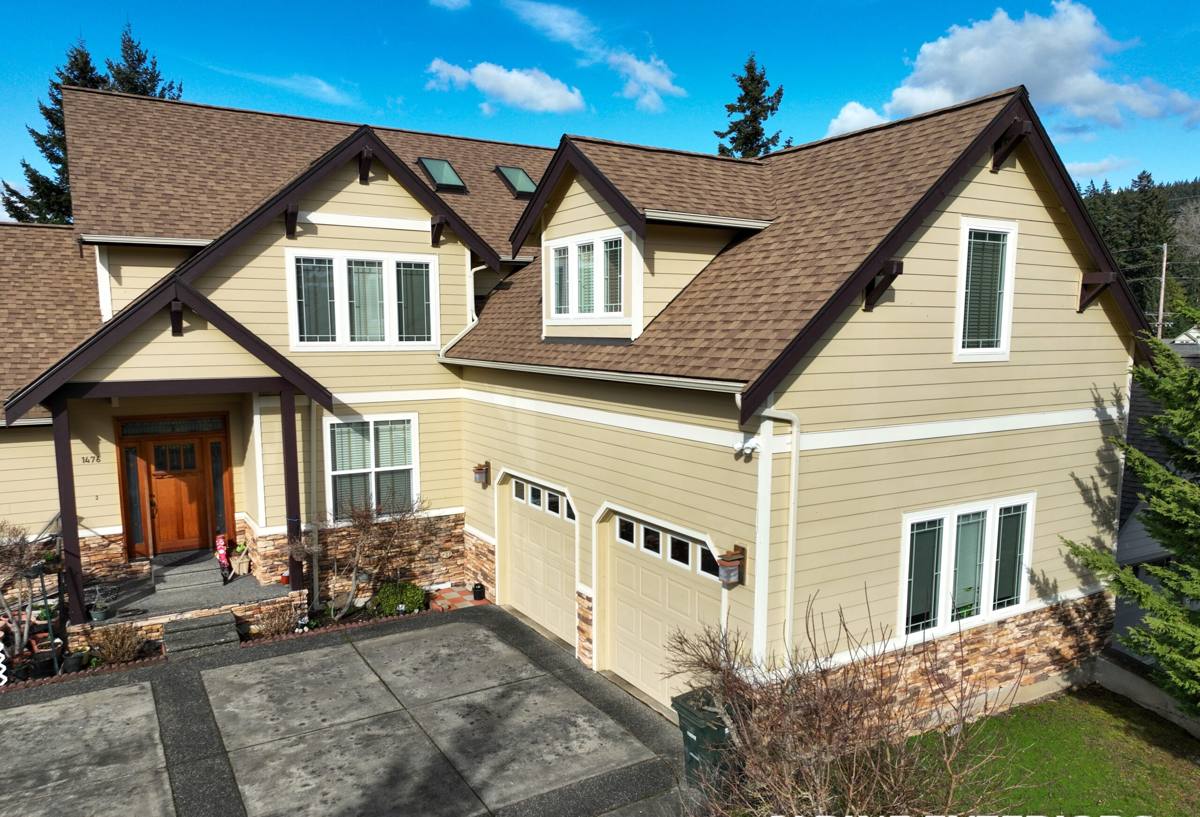
Why Decks Take a Beating in This Part of Whatcom County
Salt Air and Metal Fatigue
Homes closer to Bellingham Bay deal with salt-laden air that speeds up corrosion on anything metal — nails, screws, joist hangers, and railing hardware. Once a fastener starts to rust, it loses grip strength long before it looks obviously bad from the surface. A deck can look fine on top while the hardware holding it together underneath has quietly weakened.
Driving Rain and Standing Water
Bellingham gets a lot of rain that comes in sideways more often than people expect, which pushes moisture into places a simple top-down soaking wouldn't reach — under flashing, behind ledger boards, into end grain at board joints. Water that gets in and can't dry out quickly is the single biggest driver of rot we see in deck framing.
The Long Moss Season
Shaded lots, tree cover, and a wet climate add up to moss and algae that can hang around for most of the year in the right spot. Beyond making a deck surface slick and dangerous, moss holds moisture directly against the wood, which accelerates rot in exactly the spots that already dry the slowest.
Signs Your Deck Needs Repair — Not Just a Cleaning
Some deck problems are cosmetic and some are structural, and it's not always obvious which is which from the surface. A few reliable signs it's time for a real inspection:
- Boards that feel spongy, springy, or soft underfoot, especially near the house or along the perimeter
- Visible gaps, cracks, or splitting where deck boards meet the ledger board (the board bolted to the house)
- Rust streaks running down from screws, nails, or joist hangers
- A railing or stair post that wiggles when you push on it
- Persistent moss or dark staining in the same spots even after cleaning
- Stairs that feel uneven, bouncy, or have started to pull away from the deck frame
- Gaps opening up between the deck and the house siding or trim
Any one of these on its own might be minor. More than one together usually means moisture has been working on the frame for a while, not just the surface boards.
What a Proper Deck Repair Actually Involves
Structural Framing
Joists, beams, and posts are the part of the deck nobody sees and the part that actually matters most. A repair that only addresses surface boards while leaving compromised framing in place isn't a real repair — it's a temporary cover-up. We check framing for soft spots, splitting, and any place where water has been sitting against wood long-term.
Ledger Board and Flashing
The ledger board — where the deck attaches to the house — is the single most common failure point we find on older decks in this climate, and it's also the least visible from a casual look. Flashing that's missing, cracked, or installed incorrectly lets water track behind the ledger and rot both the ledger and the rim joist of the house itself. This is a safety issue, not just a maintenance one, since the ledger carries a significant share of the deck's load.
Decking Boards and Fasteners
Individual board replacement is straightforward once the framing underneath is confirmed sound. We also look hard at fastener condition — in a salt-air environment, swapping corroding fasteners for corrosion-resistant hardware during a repair is worth doing even if it wasn't the original complaint.
Railings and Stairs
Loose railings and stair stringers are a common repair request on their own, separate from deck surface issues. Railing posts need to be solidly anchored into structural framing, not just screwed to a fascia board — a loose railing is one of the more serious safety gaps we find on repair calls.
Repair or Replace? Weighing the Real Cost Factors
Not every deck problem calls for a full rebuild, and not every deck is worth repairing indefinitely. Here's how we think through it:
| Factor | Leans Toward Repair | Leans Toward Replacement |
|---|---|---|
| Framing condition | Joists and posts test solid, only isolated soft spots | Widespread soft or rotted framing throughout |
| Ledger board | Sound, or a limited flashing fix resolves the issue | Significant rot at the ledger or rim joist |
| Age of structure | Framing is well within its service life | Original structure is old and was never properly flashed |
| Surface boards | Scattered board replacement needed | Most boards are cupping, splitting, or failing |
| Budget goal | Extend usable life at lower cost | Want to change layout, size, or materials anyway |
A lot of Sunnyland decks fall into the repair category — sound framing with a handful of trouble spots caused by one bad flashing detail or a cluster of failed fasteners. We'll tell you honestly if we think a repair is throwing money at a structure that's past the point of being worth it, rather than patching something that needs to be rebuilt.
Our Deck Repair Process
- Full inspection — We check framing, ledger, flashing, fasteners, railings, and stairs, not just the spot you called about, since deck problems rarely stay isolated.
- Honest assessment — We tell you what's actually needed versus what's optional, in plain terms, before any work starts.
- Targeted repair — We replace what's failed and leave sound material alone. We're not going to sell you a rebuild when a repair does the job.
- Hardware upgrade where it matters — Corroding fasteners or hangers get swapped for corrosion-resistant hardware suited to our climate, not just replaced in kind.
- Cleanup and walkthrough — We walk the finished repair with you and explain what was done and why.
Material Choices When Repairing an Older Deck
When we're replacing framing or boards on a repair job, the material decision matters more than people expect.
Pressure-treated lumber is the standard for hidden structural framing — joists, beams, posts — and matching existing framing material usually makes sense on a repair rather than mixing systems.
Wood decking boards keep the original look and are usually the simpler match on a partial repair, but they carry an ongoing maintenance burden — regular cleaning and refinishing — that's worth being honest about given how much moss and moisture this area sees.
Composite decking holds up well against moisture and doesn't need refinishing, which can make sense for a section being fully replaced. It's a heavier upfront cost and needs correct spacing and fastening to perform well, so it's not something we'd suggest mixing into a repair without a clear reason.
Our general standard: match materials to the scope of the repair rather than defaulting to whatever's trendiest. A small localized repair rarely justifies switching decking systems; a larger repair where you're already replacing most of the surface is a more reasonable point to consider it.
Keeping a Repaired Deck Sound Through the Next Wet Season
A repair holds up longer with a little seasonal attention, especially given how long moss season runs here:
- Sweep leaves and debris off the deck surface regularly, especially in fall
- Keep gutters and downspouts clear so runoff isn't dumping extra water onto or near the deck
- Clean moss and algae off promptly rather than letting it build up over winter
- Check that the gap between deck boards stays clear so water can drain instead of pooling
- Look at fastener heads and railing connections once a year for early rust or looseness
- Reseal or refinish wood decking on the schedule the product actually needs, not just when it looks bad
Why a Crew That Already Works Sunnyland Matters
Deck repair in a coastal, wet, tree-covered neighborhood like this one is a different job than deck repair in a dry climate. A crew that already works Whatcom County knows what a ledger board looks like after a decade of driving rain, knows which fastener types actually hold up near the bay, and doesn't need to relearn the local failure patterns on your dime. That familiarity shows up as fewer surprises mid-project and repairs that are built for the conditions your deck actually faces, not generic conditions from somewhere else.
If you're dealing with a soft spot, a loose railing, or you just want an honest opinion on whether your deck needs a repair or something bigger, we're happy to take a look. Reach out for a free, no-pressure estimate using the form below.