 Bellingham Exterior
 Board & Batten Siding in Birch Bay: Built for the Coast, Not Just Installed Near It
Birch Bay sits right where Whatcom County's shoreline meets the wind coming off the water, and that location shapes everything about how siding performs there. A board and batten profile installed a mile inland behaves differently than the same product installed two blocks from the beach. Salt-laden air, wind-driven rain that hits walls sideways instead of falling straight down, and a wet season that stretches for months all put real stress on a home's exterior. This page is about what board and batten siding needs to hold up specifically in Birch Bay, and why the material and installation details matter more here than they would in a drier, more sheltered part of Bellingham.
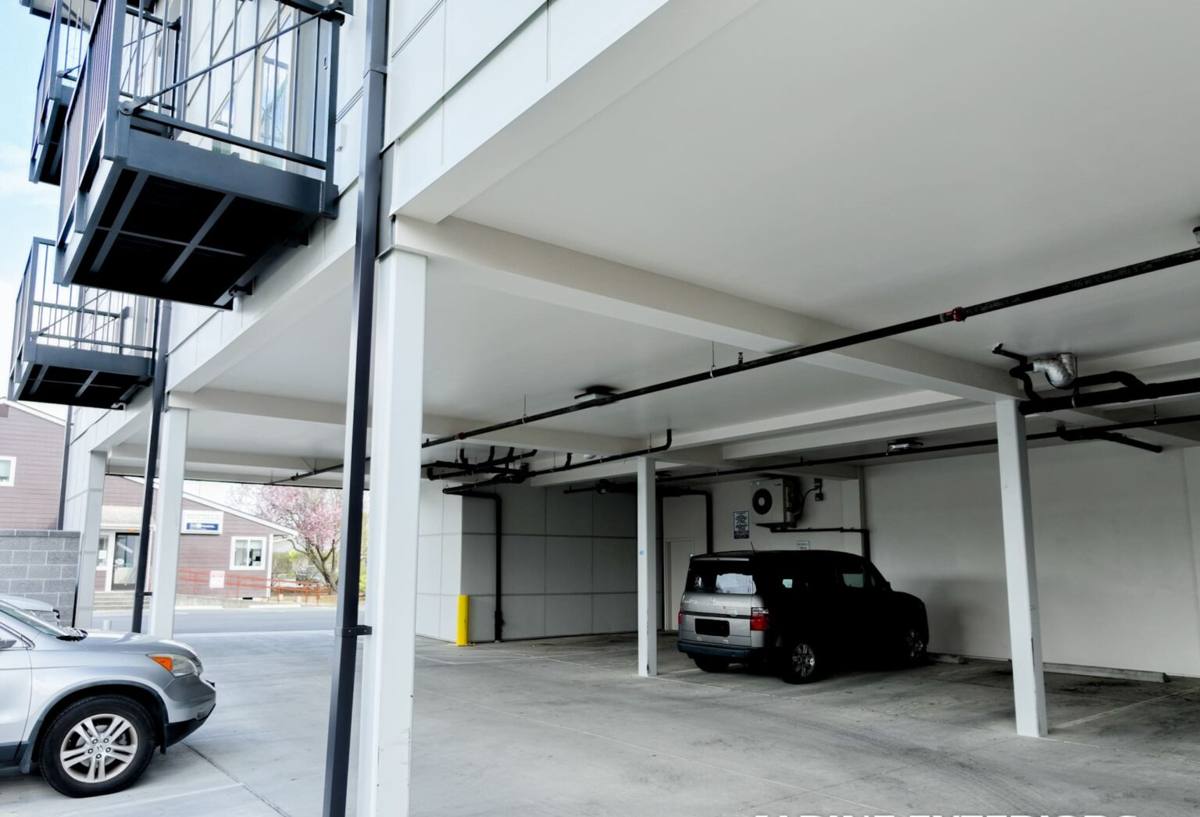
Why Birch Bay's Climate Is Tougher on Siding Than People Expect
Coastal exposure is deceptive. The temperatures are mild and the setting is beautiful, but the combination of salt, moisture, and wind creates conditions that accelerate wear on the wrong materials.
Salt Air
Airborne salt settles on exterior surfaces year-round in Birch Bay, not just during storms. It's corrosive to unprotected metal fasteners and trim, and it breaks down paint films and finishes faster than inland exposure would. Any siding material that depends on a surface-applied coating for its weather protection is fighting an uphill battle here.
Driving Rain
Wind off the water frequently pushes rain sideways into walls rather than letting it run down cleanly. That means the vertical seams and joints in a board and batten system see more direct water contact than they would on a calmer site, and any gaps in the water-resistive barrier or flashing details get tested constantly instead of occasionally.
The Long Moss Season
Whatcom County's wet stretch runs long, and shaded or north-facing walls in Birch Bay can stay damp for weeks at a time. Moss and algae take hold on surfaces that don't dry out quickly, and once established they hold additional moisture against the siding face, which speeds up rot in wood-based products and paint failure in almost anything.
What Board and Batten Actually Is, and Why It Suits This Area
Board and batten is a vertical siding style: wide flat boards installed side by side with narrower battens covering the seams between them. It has deep roots in coastal and farmhouse architecture, which makes it a natural fit for the cottage and beach-house look common around Birch Bay. Functionally, the vertical orientation also sheds water differently than horizontal lap siding — water runs down the face of the boards rather than resting on overlapping horizontal joints, which is a real advantage in a driving-rain environment, provided the batten seams themselves are detailed correctly.
That last part is the catch. Board and batten looks simple, but the seams between boards are the most vulnerable part of the whole system. If they're not backed, fastened, and gapped correctly, the style that's supposed to shed water sideways can instead funnel it straight into the wall assembly.
Why We Only Install This in James Hardie Fiber Cement
We install exclusively James Hardie fiber cement siding, including for board and batten applications, and in a location like Birch Bay that's not a marketing preference — it's a practical one. Fiber cement is non-combustible, dimensionally stable in changing moisture conditions, and doesn't swell, cup, or rot the way wood-based products can when they take on repeated moisture from wind-driven rain.
We get asked why we don't offer board and batten in vinyl, engineered wood (like LP SmartSide), or primed cedar and spruce, and the honest answer is trade-offs we're not willing to put on a Birch Bay home:
- Vinyl expands and contracts significantly with temperature swings, and in a vertical batten application those movement joints become visible weak points over time. It also doesn't hold paint, so color options are limited and fading is permanent.
- Engineered wood siding uses wood strand substrates that are more vulnerable to moisture intrusion at cut edges and seams. In a high-rain, high-humidity coastal setting, any gap in the factory coating becomes an entry point for swelling and eventual rot.
- Primed cedar or spruce is a real wood product that requires disciplined, ongoing maintenance — repainting or restaining on a strict cycle — to keep moisture out. Salt air accelerates finish breakdown, which shortens that maintenance cycle further and raises the long-term cost of ownership.
James Hardie's ColorPlus finish is factory-applied and baked on, which gives it far better resistance to fading and moisture-driven failure than a field-applied coat, and it's backed by a substantial manufacturer finish warranty. For a coastal site like Birch Bay, that factory finish is doing real work every day, not just on install day.
What a Correct Board and Batten Installation Involves
The material is only half the equation. A board and batten job that fails in a coastal environment almost always fails because of installation shortcuts, not because fiber cement itself is inadequate. Here's what we consider non-negotiable on every board and batten job in Birch Bay:
- A continuous, correctly lapped water-resistive barrier behind the siding, with all penetrations and transitions properly flashed before a single board goes up.
- Correct batten spacing and fastening per James Hardie's published installation instructions — this isn't a style choice, it's what keeps the assembly performing as designed.
- Stainless or coated fasteners suited to a salt-air environment, driven at the manufacturer-specified location and depth to avoid splitting or under-driving.
- Proper clearance at the bottom of the wall assembly and at grade, so boards aren't sitting in standing water or snow-melt runoff.
- Minimal reliance on caulk as a primary water barrier — caulk is a backup, not the plan, because it's the first thing to fail under constant salt and UV exposure.
- Factory-cut and factory-finished edges used wherever possible, with any field cuts properly sealed per Hardie specifications.
Our Process for a Birch Bay Board and Batten Project
1. On-Site Assessment
We start by walking the home and looking specifically at wind exposure, shaded and north-facing walls prone to moss, existing moisture damage, and how the current wall assembly is performing. Coastal homes often have different needs wall to wall on the same structure.
2. Tear-Off and Substrate Check
Once old siding is removed, we inspect the sheathing underneath for hidden rot or moisture damage before anything new goes on. This step matters everywhere, but it matters more in a home that's been absorbing coastal moisture for years.
3. Water Management Layer
We install a continuous weather-resistive barrier and flash every window, door, and penetration before the first board is hung. This layer is what actually keeps water out long-term — the siding is the second line of defense, not the only one.
4. Board and Batten Installation
Boards and battens go up per James Hardie's engineering specifications, with attention to fastening pattern, spacing, and clearance at grade, trim, and rooflines.
5. Final Walkthrough
We walk the finished job with the homeowner, checking seams, corners, and transitions, and go over basic care specific to a coastal setting.
Living With Board and Batten in a Coastal Climate
Even the right material and a correct install still benefit from a little homeowner awareness in Birch Bay:
| Concern | Why It Happens Here | What Helps |
|---|---|---|
| Moss and algae growth | Long wet season, shaded or north-facing walls stay damp | Periodic gentle rinse; keep nearby vegetation trimmed back for airflow |
| Salt film buildup | Constant airborne salt near the water | Occasional low-pressure rinse with clean water removes residue before it accumulates |
| Fastener corrosion | Salt air attacks unprotected metal | Correct fastener spec at install prevents this from ever becoming an issue |
| Finish fading | UV plus salt exposure breaks down field-applied paint faster | Factory-applied ColorPlus finish resists this far better than site-painted wood or vinyl color |
What This Actually Costs
Board and batten pricing depends on wall complexity, how much trim and detail work is involved, and the condition of the substrate underneath the old siding. We don't quote firm numbers without seeing the home, but the factors that move the price are consistent from project to project:
| Factor | Why It Matters |
|---|---|
| Home size and wall area | More square footage means more material and labor |
| Existing substrate condition | Hidden rot or water damage found during tear-off adds repair work before new siding goes on |
| Trim and architectural detail | Corners, gables, and window surrounds all add labor time for a clean, correct fit |
| Access and site conditions | Waterfront or hillside lots common around Birch Bay can affect scaffolding and staging |
| Color and finish selection | Factory ColorPlus finishes vs. primed-for-paint boards affect material cost |
What to Check Before Hiring Anyone for This Job
Board and batten looks straightforward, which is exactly why it gets installed poorly more often than people expect. Before hiring a crew for a Birch Bay project, it's worth confirming:
- They can describe their exact fastening and batten-spacing method, not just say "we do board and batten all the time."
- They install a proper water-resistive barrier and flashing system, not just siding over the old sheathing.
- They're familiar with coastal exposure specifically, not just general Whatcom County installs.
- They can explain why they use the fastener type they use, given salt air conditions.
- They stand behind the installation with a real workmanship warranty, separate from the manufacturer's material warranty.
Why Local Experience in Birch Bay Matters
A crew that already works this stretch of coastline knows which walls in a given home layout tend to hold moisture, how far wind-driven rain actually travels up a wall face here, and where moss takes hold first. That's not something you get from a general contractor who occasionally works the coast — it's something you get from doing this specific work in this specific environment repeatedly. It shows up in small decisions: where extra flashing goes, which fastener spec gets used, how clearance at grade gets handled on a sloped, wind-exposed lot.
If you're considering board and batten siding for a home in Birch Bay, we're happy to take a look and walk you through what your specific walls need. There's no pressure and no cost to get an honest assessment — just fill out the form below to get started.