 Bellingham Exterior
 Why Birch Bay Windows Wear Out Faster Than Windows Ten Miles Inland
Birch Bay sits right on the water, and that changes what a window has to survive. A home a few miles inland in Whatcom County deals with our normal wet-side-of-the-Cascades weather — plenty of rain, mild temperatures, long gray stretches. A home in Birch Bay deals with all of that plus salt-laden air coming off the water, wind that drives rain sideways into the wall instead of straight down, and a moss and algae season that runs longer than almost anywhere else in the county. Windows that would coast along for twenty-five years in a sheltered neighborhood can start showing seal failure, hardware corrosion, or sill rot well before that out here, especially on the west- and south-facing elevations that catch the weather head-on.
None of this means Birch Bay homes need exotic or overbuilt windows. It means they need windows installed correctly, with materials and details chosen for a marine environment, by a crew that has actually done this work on this shoreline before.
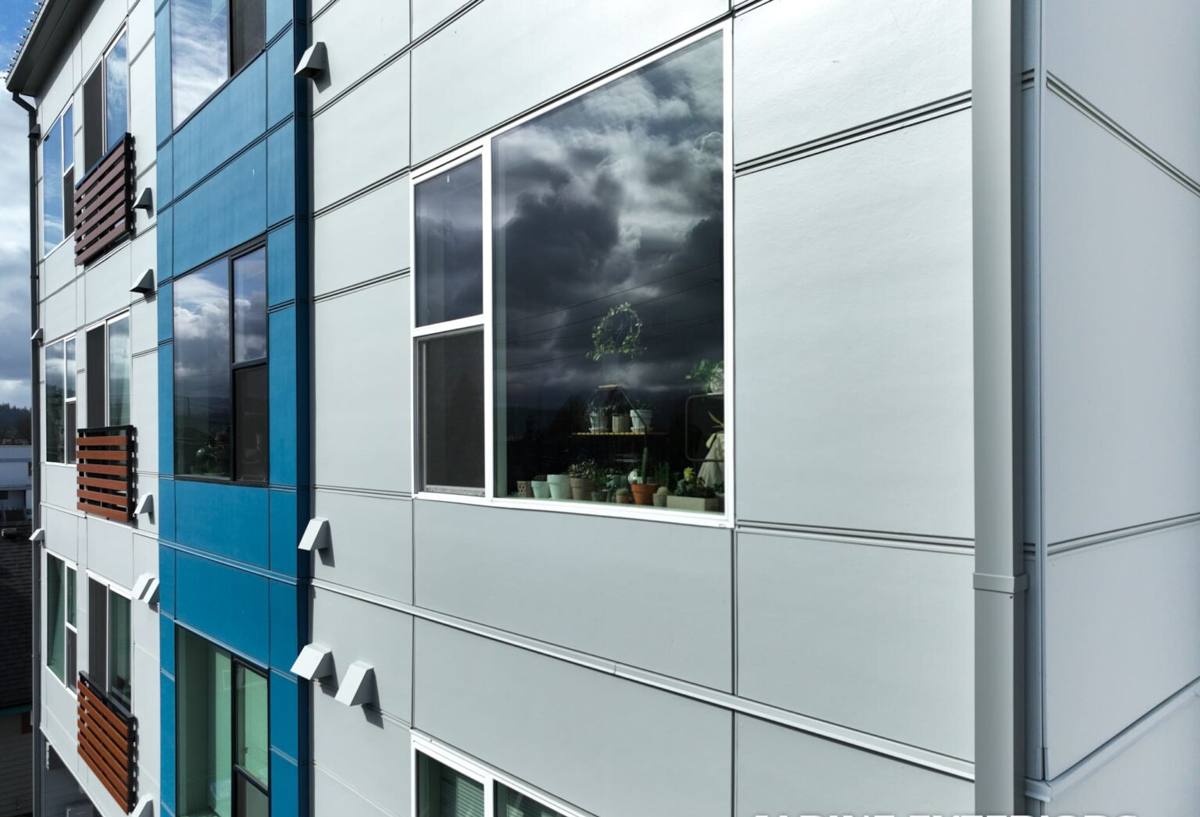
What the Marine Climate Actually Does to a Window
Salt Air and Hardware
Airborne salt is corrosive to unprotected or lower-grade metal. Over years of exposure, it attacks exposed fasteners, cheap hinge and lock hardware, and aluminum components that aren't rated for coastal use. The failure is rarely dramatic — it shows up as stiff cranks, locks that stick, corner welds that stain, or a lock cam that eventually won't seat properly, which is a security issue as much as a comfort one.
Wind-Driven Rain and Water Intrusion
Standard rain falls down and sheds off a properly lapped exterior. Wind-driven rain off the bay hits siding and window trim at an angle, and it can find its way behind trim, through a poorly lapped flashing, or into a bead of sealant that wasn't tooled correctly. Once water gets behind the window unit, it doesn't dry out quickly in our climate — it sits in the wall cavity and starts rot and mold long before anyone sees a stain on the interior sill.
Moss, Algae, and Sill Rot
Whatcom County's moss season is long, and Birch Bay's damp, shaded, and coastal conditions keep exterior wood surfaces wet for extended stretches. Wood sills and trim that aren't detailed and finished correctly stay damp long enough for rot to set in, and green growth on horizontal surfaces holds moisture against the wood even longer. This is one of the most common things we find when we pull old trim off a Birch Bay window — the glass and sash are often fine, but the wood around them isn't.
Signs a Birch Bay Home Needs New Windows (Not Just Repairs)
Not every problem window needs full replacement. But when several of these show up together, patching individual symptoms usually costs more over time than doing the job right once.
- Soft, spongy, or visibly rotted wood at the sill or bottom corners of the frame
- Fogging or a permanent haze between the panes of a dual-pane window (a sign the seal has failed)
- Cranks, locks, or hinges that are stiff, corroded, or won't fully engage
- Visible daylight or a noticeable draft around the frame when it's windy
- Paint or finish that keeps failing on the exterior trim no matter how often it's redone
- Interior condensation or a musty smell near the window, especially after a stretch of storms
- Single-pane glass with no thermal break, common in older homes near the water
What a Correct Window Installation Involves
The window unit itself is only part of the job. In a marine environment, how it's installed matters as much as what brand it is.
Flashing and Water Management
Every opening needs to be flashed so water is directed out and down, never trapped behind the trim. That means proper sill pan flashing, correctly lapped house wrap or building paper, and head flashing that sheds water past the window rather than into the wall. This is the single most important part of a coastal installation, and it's also the part that's completely invisible once the trim goes back on — which is exactly why it has to be done right the first time.
Sealants and Backer Rod
We use exterior-grade sealants rated for the movement and UV exposure a Birch Bay wall sees, with backer rod set at the correct depth so the sealant can flex instead of tearing. A sealant bead over a gap that's too wide or too narrow fails early, and a failed bead in a wind-driven-rain zone is an open invitation for water.
Fasteners and Hardware Selection
Where possible, we use corrosion-resistant fasteners and hardware suited to coastal exposure rather than standard-grade parts that are fine inland but corrode early a few hundred feet from saltwater.
Choosing the Right Frame Material for a Coastal Lot
There's no single "best" window material for every home — the right choice depends on your home's exposure, your maintenance appetite, and your budget. Here's how the common options hold up specifically in a salt-air, high-rain environment like Birch Bay.
| Frame Material | Coastal Performance | Maintenance | Notes |
|---|---|---|---|
| Vinyl | Good — won't corrode or rot, handles moisture well | Low | Most common choice for direct water exposure; quality varies by manufacturer |
| Fiberglass | Very good — dimensionally stable, resists warping in temperature swings | Low | Higher upfront cost, often longer warranty coverage |
| Aluminum | Fair to good if marine-grade and properly finished; standard-grade corrodes faster near salt air | Moderate | Thermal performance is weaker unless thermally broken |
| Wood-clad | Depends heavily on cladding quality and installation detailing | High | Attractive interior wood look, but the exterior clad needs to be fully sealed against moisture |
For most homes directly on or near the water in Birch Bay, we steer clients toward vinyl or fiberglass because they hold up to salt air and moisture cycling with the least ongoing maintenance. That's a practical recommendation based on how these materials behave over time in this specific environment, not a knock on wood or aluminum used correctly in the right application.
Our Installation Process for Birch Bay Homes
- On-site assessment. We look at your home's specific exposure — which walls take the weather, current window condition, and any existing water damage around openings.
- Product selection. We walk through frame material, glazing, and hardware options suited to your home's exposure and your budget, not a one-size-fits-all package.
- Removal and opening inspection. Old units come out carefully so we can check the framing and sheathing underneath for rot or moisture damage before anything new goes in.
- Repair as needed. Any soft wood, damaged sheathing, or compromised flashing gets addressed before the new window goes in — installing a good window over a bad opening just hides the problem.
- Flashing and installation. Sill pan, jamb, and head flashing installed in the correct order, window set plumb and level, shimmed and fastened per manufacturer spec.
- Sealing and trim. Backer rod and sealant at the correct depth, exterior trim reinstalled or replaced, interior finish completed.
- Final check. We test operation, locks, and weather seal before we consider the job done.
Why Local Birch Bay Experience Matters
A crew that mostly works drier, more sheltered neighborhoods can still install a window competently — but they may not think to ask which wall takes the worst of the winter storms, or default to standard-grade hardware because that's what works fine where they usually work. Bellingham Exterior Company works across Whatcom County, including homes right on Birch Bay, and we build our installation approach around what actually holds up here: correct flashing sequencing for wind-driven rain, hardware that won't seize up from salt exposure, and sealant details that account for a wall that stays damp longer than most.
We also know what "normal wear" looks like on a Birch Bay home versus a problem that needs attention now — which matters when we're assessing whether your existing windows need full replacement or just better maintenance.
Keeping New Windows Performing Through the Wet Season
Even a well-installed window benefits from a little attention, especially in a moss-prone, salt-air environment. A short annual routine goes a long way toward protecting your investment:
- Rinse accumulated salt film and grime off glass and frames periodically, especially on wind-facing elevations
- Clear moss and debris from sills and tracks before it holds moisture against the frame
- Check and re-lubricate hardware (locks, cranks, hinges) if it starts to feel stiff
- Inspect exterior caulking annually and have any cracked or separated beads redone before the wet season sets in
- Keep gutters and downspouts clear so roof water isn't sheeting down across window trim
Windows are one of the areas of a home where correct upfront installation matters more than brand names or fancy features. On a shoreline lot in Birch Bay, that installation detail — the flashing, the sealant, the hardware choice — is what determines whether you're dealing with a draft in ten years or a rotted wall opening in twenty.
If you're weighing repair versus replacement, or just want an honest read on the condition of your current windows, we're happy to take a look. Reach out for a free, no-pressure estimate using the form below.