 Bellingham Exterior
 Metal Roofing in Birchwood: Built for the Weather We Actually Get
Birchwood homes sit close enough to the water and low enough in the valley that roofs here take a specific kind of beating. Salt-laden air off Bellingham Bay works on exposed metal fasteners and unprotected edges year-round. Driving rain off Puget Sound tests every seam and flashing detail during fall and winter storms. And the long, damp moss season that defines Whatcom County winters turns any roof with poor drainage or shade cover into a maintenance headache within a couple of years. Metal roofing, installed correctly for this specific environment, handles all three of those stresses better than most other roofing materials available to homeowners in this neighborhood.
This page covers what a metal roof needs to hold up in Birchwood specifically, what a correct installation actually involves, and how our process works from first look to final walkthrough.
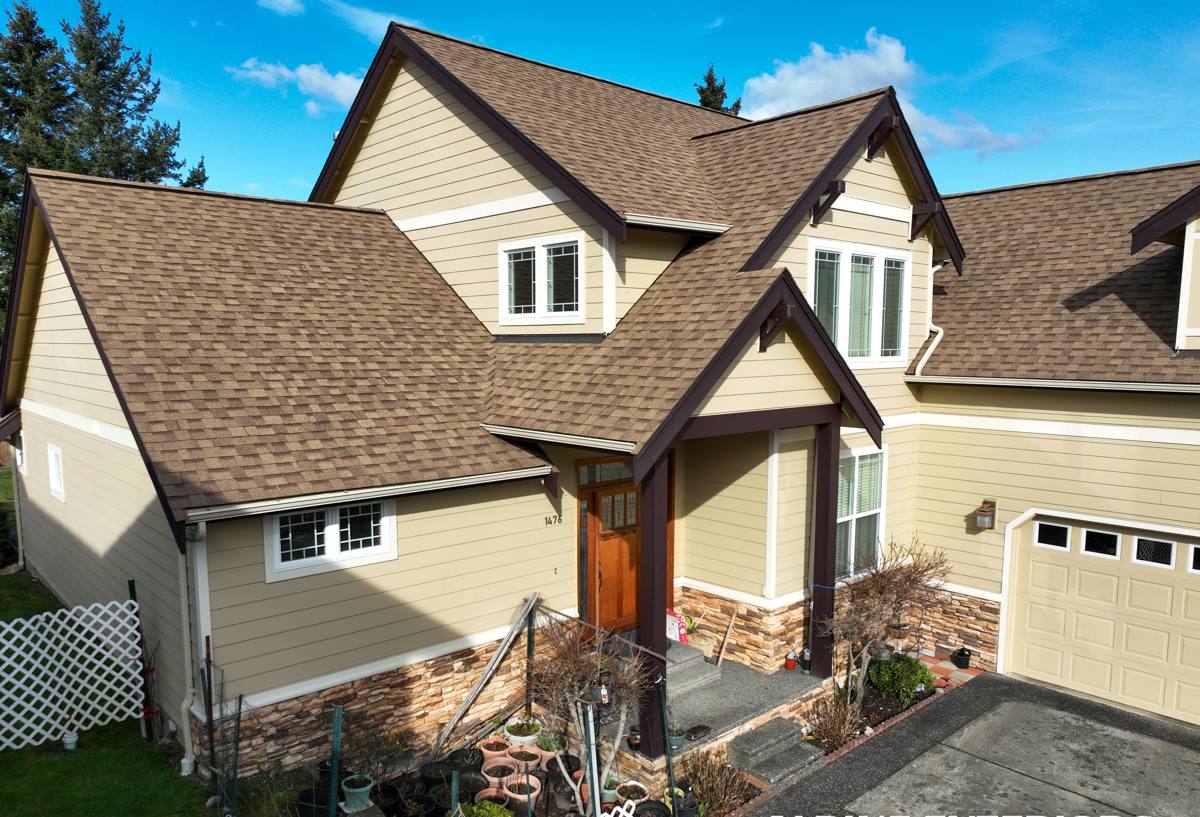
Why Birchwood's Climate Changes the Metal Roofing Conversation
Salt Air and Corrosion
Homes in Birchwood aren't right on the waterfront, but Bellingham Bay is close enough that airborne salt reaches roofs here, especially on west- and south-facing slopes exposed to prevailing weather. Salt exposure accelerates corrosion at cut edges, fastener heads, and any point where a coating has been scratched or worn through. This is why fastener choice, edge treatment, and coating quality matter more here than they would on a roof fifty miles inland.
Driving Rain and Wind-Driven Water
Storms coming off the Sound don't just drop rain straight down — wind pushes it sideways and up under laps, flashing, and ridge caps. A metal roof's real weather resistance comes from how its seams, flashing, and underlayment are detailed, not just from the panel material itself. A roof that looks fine from the ground can still be letting water in at a poorly lapped valley or an under-flashed chimney.
Moss, Shade, and Moisture Retention
Birchwood's tree cover and the Pacific Northwest's long wet season combine to create ideal moss conditions. Moss holds moisture against a roof surface, and on materials where that matters, it accelerates deterioration. Metal roofing doesn't feed moss growth the way organic-based roofing materials can, and its smooth, low-friction surface makes it harder for moss and debris to establish a foothold in the first place — though shaded valleys and north-facing slopes still need attention.
What a Correct Metal Roof Installation Involves
Not every metal roof performs the same, even when the panels themselves are similar. The difference is almost always in the details underneath and around the panels.
Underlayment and Moisture Barrier
A quality synthetic or self-adhered underlayment gives you a second line of defense if wind-driven rain ever gets past the panel seams. In a climate like ours, skipping or skimping on this layer is one of the most common causes of hidden leaks that show up years later as rot in the decking below.
Fastener and Edge Detail
Exposed-fastener panel systems rely on gaskets under every screw head to stay watertight, and those gaskets degrade with age and UV exposure. Standing-seam systems use concealed clips instead, which removes hundreds of potential leak points from the roof entirely. Given the salt exposure Birchwood homes see, we pay close attention to fastener material and coating on any exposed-fastener application, and we favor standing-seam details wherever the budget and roof design support it.
Flashing at Valleys, Walls, and Penetrations
Roof-to-wall transitions, valleys, chimneys, and vent penetrations are where most roof leaks actually originate — on metal roofs or any other type. Correct flashing means custom-formed pieces sized to the specific roof, properly lapped with the underlayment, and sealed with materials rated for long-term outdoor exposure, not generic caulk.
Ventilation
Metal roofs perform best with a properly vented attic or roof assembly underneath. Ventilation controls condensation on the underside of the panels and helps the whole roof system manage the moisture load that comes with our wet winters.
Comparing Metal Roofing to Common Alternatives
Homeowners in Birchwood usually compare metal against asphalt composition shingles, since that's the most common roofing material in the area. Here's an honest look at the trade-offs relevant to this climate.
| Factor | Metal Roofing | Asphalt Shingles |
|---|---|---|
| Typical lifespan | 40-70 years depending on system | 20-30 years in this climate |
| Moss resistance | Smooth surface resists moss establishment | Textured surface holds moisture and debris, feeds moss |
| Wind-driven rain performance | Excellent with correct seam and flashing detail | Good, but laps are more vulnerable at high wind angles |
| Salt air durability | Strong with proper coating and fastener choice | Granule loss can accelerate near salt exposure |
| Upfront cost | Higher | Lower |
| Maintenance needs | Low; periodic gasket/fastener checks on exposed-fastener systems | Moderate; moss treatment and granule loss monitoring |
Neither option is universally "better" — the right choice depends on your budget, how long you plan to stay in the home, and how much roof maintenance you want to do over the years. We'll walk through that trade-off honestly during an estimate rather than push one material for every situation.
New Installation vs. Roof Replacement in Birchwood
Most of our metal roofing work in this neighborhood falls into one of two categories:
New Metal Roof Installation
Whether you're building an addition, finishing a shop or outbuilding, or choosing metal for a full new roof, we design the system around your roof's actual slope, exposure, and drainage paths rather than applying a one-size-fits-all layout.
Replacing an Aging Roof with Metal
A lot of Birchwood homeowners come to us after their asphalt roof is showing its age — moss buildup, granule loss, or a leak that's been patched more than once. Replacing with metal at that point means tearing off the old material, inspecting and repairing the decking underneath (which is common after years of moss and moisture exposure), and building the new system correctly from the deck up.
Maintenance: What a Metal Roof Actually Needs Here
- Clear debris (needles, leaves, branches) from valleys and low-slope areas at least once or twice a year
- Check and clean gutters so water isn't backing up under the roof edge during heavy rain
- Inspect exposed fasteners for gasket wear every few years if your system uses them
- Look at flashing around chimneys, vents, and skylights after major storms
- Address any scratched or chipped coating promptly to prevent localized corrosion from salt air
- Trim back overhanging branches that keep sections of the roof shaded and damp
This is a far shorter list than what an asphalt roof needs in the same conditions, which is one of the main reasons metal appeals to homeowners who are tired of moss treatments and shingle repairs.
Our Process for Birchwood Metal Roofing Projects
1. On-Site Assessment
We look at your existing roof structure, current material condition, slope, drainage paths, and exposure to wind and salt air. For replacements, we check the decking for hidden moisture damage before quoting anything.
2. System Recommendation
We'll recommend a panel profile and fastening system based on your roof's specific conditions and your budget — not a default we push on every job.
3. Detailed, Written Estimate
You get a clear breakdown of materials, labor, and scope before any work starts, including how we'll handle flashing, ventilation, and underlayment.
4. Installation
Proper sequencing matters: underlayment first, then panels, then flashing and trim, with attention to every seam and penetration along the way.
5. Final Walkthrough
We walk the roof and the ground with you, review what was done, and make sure you know what maintenance, if any, to expect going forward.
Why Work with a Crew That Already Works in Birchwood
Metal roofing installed without accounting for Bellingham's specific weather pattern — wind direction, salt exposure, rainfall volume, and shade cover from local tree canopy — can underperform even when the material itself is high quality. A crew that already works this neighborhood knows which slopes take the worst of the driving rain, which areas hold moss longest into summer, and how to detail a roof so it sheds water instead of trapping it. That local knowledge shows up in fewer callbacks and a roof that actually performs the way metal roofing is supposed to.
We're not guessing at Whatcom County weather from a spec sheet — it's what we build for, every job, in this part of Washington.
If you're weighing metal roofing for a home in Birchwood, we're happy to take a look and give you a straightforward, no-pressure estimate. Use the form below to get started.