 Bellingham Exterior
 Blaine's Weather Is Hard on Windows
Blaine sits close to the water at the northern edge of Whatcom County, and that location comes with a specific set of problems for the windows on your house. Salt-laden air off the water accelerates corrosion on hardware, fasteners, and lower-grade metal components. Wind-driven rain, common through fall and winter, pushes water sideways into gaps that would never leak in a calmer climate. And the long stretch of damp, low-sun months that defines a Whatcom County winter gives moss, algae, and mildew plenty of time to take hold on sills, tracks, and anywhere water sits instead of draining.
None of this means windows in Blaine fail faster than windows anywhere else in Western Washington. It means they fail faster when they're installed generically — with stock trim, minimal flashing, or sealant that was never meant to handle sustained wind-driven moisture. The fix isn't exotic materials or a premium tier of window. It's treating flashing, drainage, and sealing as seriously as the glass itself.
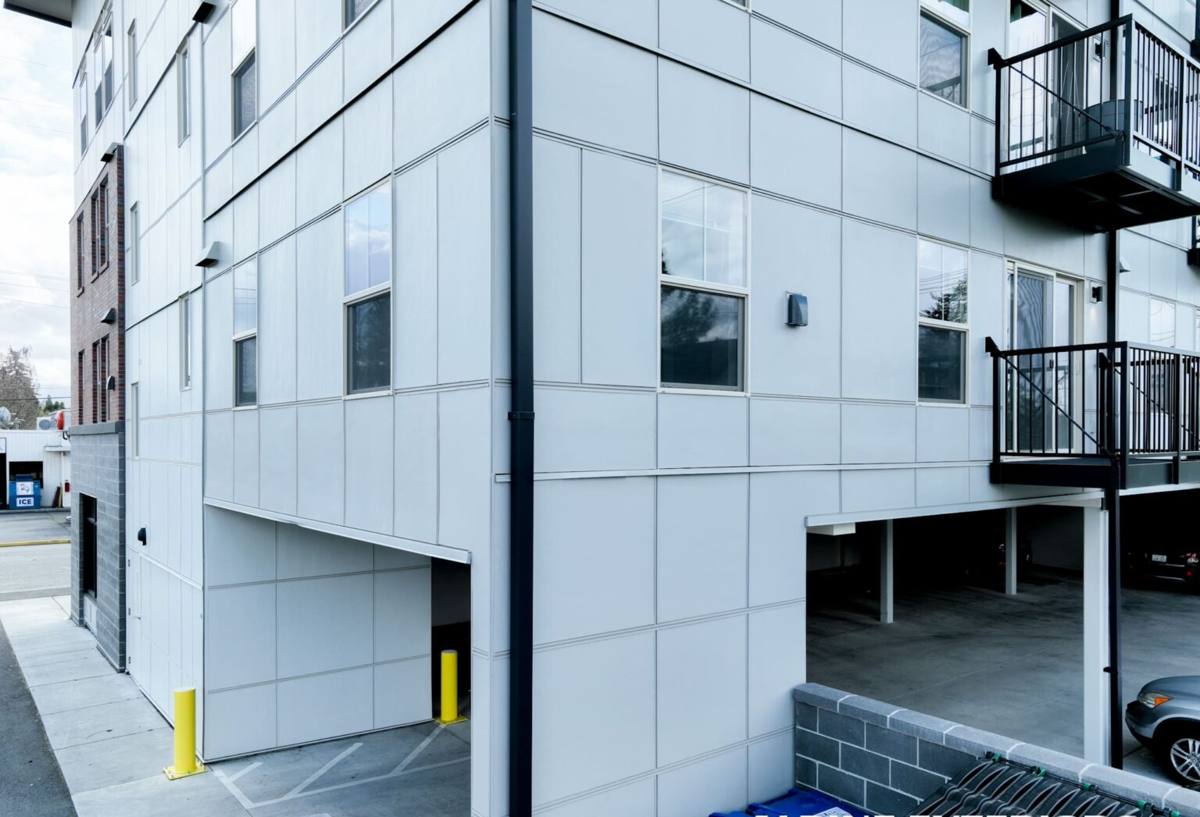
What "Custom" Actually Means Here
"Custom windows" doesn't have to mean an unusual shape or a designer look. For most Blaine homes it means windows built to the actual rough openings in the house — which, on older construction, are rarely the same size as anything sold off the shelf. Trying to force a standard-size replacement window into a non-standard opening is one of the most common causes of the gaps, drafts, and water intrusion we get called out to fix.
Custom sizing also matters for matching the house itself. A lot of homes in this part of Whatcom County were built or added onto over several decades, which means window openings, trim profiles, and siding details can vary from room to room. A correct custom order accounts for that instead of forcing every opening to match a catalog size.
When Custom Is the Only Option
Bay and bow windows, odd-shaped openings left by additions, and any wall where the siding or trim has already been altered around the opening usually can't be handled with a stock unit. In those cases, accurate field measurement before ordering isn't optional — it's the difference between a clean install and weeks of waiting on a second order.
Signs Your Current Windows Are Losing the Fight
Most homeowners don't replace windows because they woke up wanting new ones — they replace them because something started going wrong. In a climate like this, the warning signs tend to show up in a fairly predictable order:
- Condensation building up between the panes, which means the seal on a double- or triple-pane unit has failed
- Soft or discolored wood on the sill or lower frame, a sign moisture has been sitting rather than draining
- Visible daylight or a noticeable draft around the frame when it's windy
- Difficulty opening, closing, or locking the window, often from swelling or warped frame material
- Moss or dark streaking building up on the sill or lower trim faster than it can be cleaned off
- A noticeable jump in heating costs without any other explanation
Any one of these on its own might just need a repair. Several at once, especially on windows that face the prevailing weather, usually means the unit has reached the end of its useful life.
What a Correct Installation Actually Involves
The window itself is often the easy part. What separates a job that holds up through twenty Whatcom County winters from one that starts leaking in three years is almost entirely in the details around the window — the parts you don't see once the trim goes back on.
Flashing and Water Management
Every opening needs a drainage path that assumes water will get behind the surface at some point, because eventually it will. That means proper sill pan flashing, correctly lapped house wrap or building paper, and flashing tape sequenced so water sheds outward and down rather than pooling at the base of the frame. Skipping or rushing this step is the single most common cause of hidden rot behind an otherwise fine-looking window.
Sealing and Insulation
Sealant and low-expansion foam matter, but so does knowing where not to seal — a fully sealed opening with no way for incidental moisture to escape can trap water instead of shedding it. Getting this balance right takes experience with how these assemblies actually perform in a wet marine climate, not just following a generic installation sheet.
Choosing Frame Materials for a Coastal, Wet Climate
There's no single "best" window material — there are trade-offs, and the right call depends on the house, the budget, and how exposed a given wall is to wind and rain. Here's how the common options generally compare for a location like Blaine:
| Frame Material | Moisture Behavior | Maintenance | General Cost |
|---|---|---|---|
| Vinyl | Won't rot; performs well in wet, salt-air conditions | Low — occasional cleaning | Lower |
| Fiberglass | Very stable, resists warping and won't corrode | Low | Mid to higher |
| Aluminum | Durable but can corrode near salt air without proper coating | Moderate | Mid |
| Wood / wood-clad | Best appearance, but vulnerable to moisture if seals or cladding fail | Higher — regular inspection and upkeep | Higher |
We don't push one material as universally correct. We do steer homeowners away from bare or poorly coated aluminum and unclad wood on walls that take direct wind-driven rain, because the maintenance burden and moisture risk in those spots outweigh the appearance benefit. That's a judgment call based on exposure, not a blanket rule against any manufacturer or product line.
How Our Process Works
- On-site assessment: we look at the existing openings, the condition of the framing and sill, and how exposed each wall is to wind and rain.
- Accurate field measurement: every opening is measured individually — we don't assume rooms match, especially on older homes.
- Material and glass selection: we go over frame options and glass packages based on that wall's exposure and your budget, not a one-size answer.
- Ordering: custom units are built to the confirmed measurements, which typically takes several weeks depending on the manufacturer.
- Removal and prep: old units come out carefully, and we inspect the framing underneath before anything new goes in — this is where hidden rot or past water damage gets caught.
- Installation: proper flashing, sealing, and insulation sequencing, done to hold up against sustained wind and rain, not just pass a quick visual check.
- Cleanup and walkthrough: we clean up the work area and walk the finished openings with you before calling the job done.
Why a Crew That Already Works in Blaine Matters
A window installer who mostly works drier inland areas can do a technically fine install and still get outperformed by the weather here, simply because they're not used to designing for it. A crew that regularly works Blaine and the surrounding Whatcom County coastline already knows to over-build flashing details on west- and north-facing walls, to expect certain frame materials to underperform near salt air, and to plan installation timing around the region's wetter months instead of fighting them.
There's also a practical side to it. Being based out of Bellingham means we're not scheduling a long, one-off trip to handle a single job — we can be on site for measurement, installation, and any follow-up without treating Blaine as an inconvenient detour. That matters if a warranty issue or a sealant touch-up comes up two years down the road.
Living With Your New Windows Long-Term
New windows aren't maintenance-free, even good ones. In this climate, a little seasonal attention goes a long way toward getting the full lifespan out of them:
- Clear debris and moss from sills and tracks before the wet season builds up, not after
- Check that weep holes on the exterior frame are open and draining, especially after storms
- Inspect exterior caulking annually and touch up any cracked or separated sections promptly
- Operate locking hardware occasionally through the winter to prevent it from seizing
None of this is difficult, but it's the kind of upkeep that gets skipped when nobody mentions it — and skipping it is how a well-installed window still ends up with a preventable moisture problem five or ten years in.
If your windows in Blaine are drafty, fogging between the panes, or just overdue, we're happy to take a look and give you a straightforward, no-pressure estimate — no obligation, just an honest read on what your home actually needs. Use the form below to get started.