 Bellingham Exterior
 Siding That Has to Work Near the Water
The Columbia neighborhood sits close enough to Bellingham Bay that salt-laden air is part of daily life on a home's exterior, not an occasional nuisance. Add in Whatcom County's long wet season, driving rain off the water, and the shade-and-moisture combination that keeps moss thriving nine months of the year, and you have one of the tougher siding environments in the county. Siding here doesn't just need to look good on installation day. It needs to hold its finish, its shape, and its seams through decades of that cycle.
We install James Hardie fiber cement siding exclusively, and Columbia is a good example of why. This page walks through what the local climate actually does to a home's exterior, what a correct fiber cement installation involves, and how we approach jobs in this part of Bellingham specifically.
What Columbia's Climate Does to Siding
Salt Air
Proximity to the bay means airborne salt settles on exterior surfaces more than homeowners a few miles inland ever have to think about. Salt accelerates corrosion on fasteners and metal trim, and it can degrade paint films and cheaper composite products faster than their published lifespans suggest. Fiber cement itself is inert to salt — it's cement, sand, and cellulose fiber, not a petroleum-based product that reacts with airborne minerals over time.
Driving Rain
Wind off the water pushes rain sideways into wall assemblies, not just straight down onto rooflines. That means water finds its way into laps, corners, and penetrations that a calmer climate would never test. Every seam, joint, and piece of trim on a Columbia home is under more moisture pressure than the same detail would face on a dry side of the state.
Moss and Prolonged Dampness
Shaded lots and long stretches of overcast, damp weather give moss and algae a real foothold on north- and east-facing walls. Beyond the cosmetic green tinge, sustained moisture retention against a wall surface is what causes rot in wood-based products and swelling in composite ones. Siding material that can shed water and dry out quickly matters more here than in a drier climate.
Why Fiber Cement Fits This Environment
James Hardie siding is manufactured from Portland cement, sand, and cellulose fiber. It doesn't absorb moisture the way wood-based products do, it won't rot, and it's non-combustible. For a Columbia home dealing with salt air and near-constant dampness for months at a stretch, those material properties matter more than they would in a milder, drier part of the state.
James Hardie also engineers specific product lines for different climate zones, including an HZ10 line built for the wetter, cooler regions of the Pacific Northwest. That's the line we spec for Bellingham work by default — it's formulated to hold up to freeze-thaw cycling and sustained moisture exposure better than a generic, one-size-fits-all product.
The factory-applied ColorPlus finish is another piece of this. Rather than relying on job-site paint that has to cure correctly in damp weather (not a given during a Bellingham winter), ColorPlus is baked on in a controlled factory environment and backed by its own finish warranty. In a climate where a fresh paint job can be tested by rain within days of completion, that matters.
What a Correct Installation Actually Involves
Fiber cement siding is only as good as the installation behind it. Most of the failures we get called out to inspect on other contractors' work trace back to installation shortcuts, not the material itself. In a high-moisture environment like Columbia, these details aren't optional extras — they're what determines whether the siding lasts.
- Correct water-resistive barrier and rain-screen gap behind the siding, so any moisture that gets past the cladding can drain and the wall can breathe
- Proper flashing at every window, door, and roof-to-wall intersection — the exact spots driving rain finds first
- Manufacturer-specified fastener spacing and type, using fasteners rated for coastal exposure rather than standard interior-grade hardware
- Correct panel gaps and caulking at butt joints, sized to allow for the material's normal expansion and contraction
- Minimum clearance from grade, decks, and roof lines so siding isn't sitting in standing moisture or splashback
- Factory-cut edges used wherever possible, with any field cuts properly sealed to protect the cut edge from moisture intrusion
Skip any one of these and you can end up with a home that still looks fine from the curb but is trapping moisture behind the siding — the kind of problem that doesn't show up until a wall gets opened up.
Our Process for a Columbia Job
1. On-Site Assessment
We look at the existing wall assembly, the condition of the sheathing underneath, drainage around the foundation, and how exposed the home is to wind-driven rain given its orientation and surrounding trees. Homes closer to the water or with a lot of moss-prone shade get flagged for extra attention to the water-resistive barrier and rain-screen detailing.
2. Product Selection
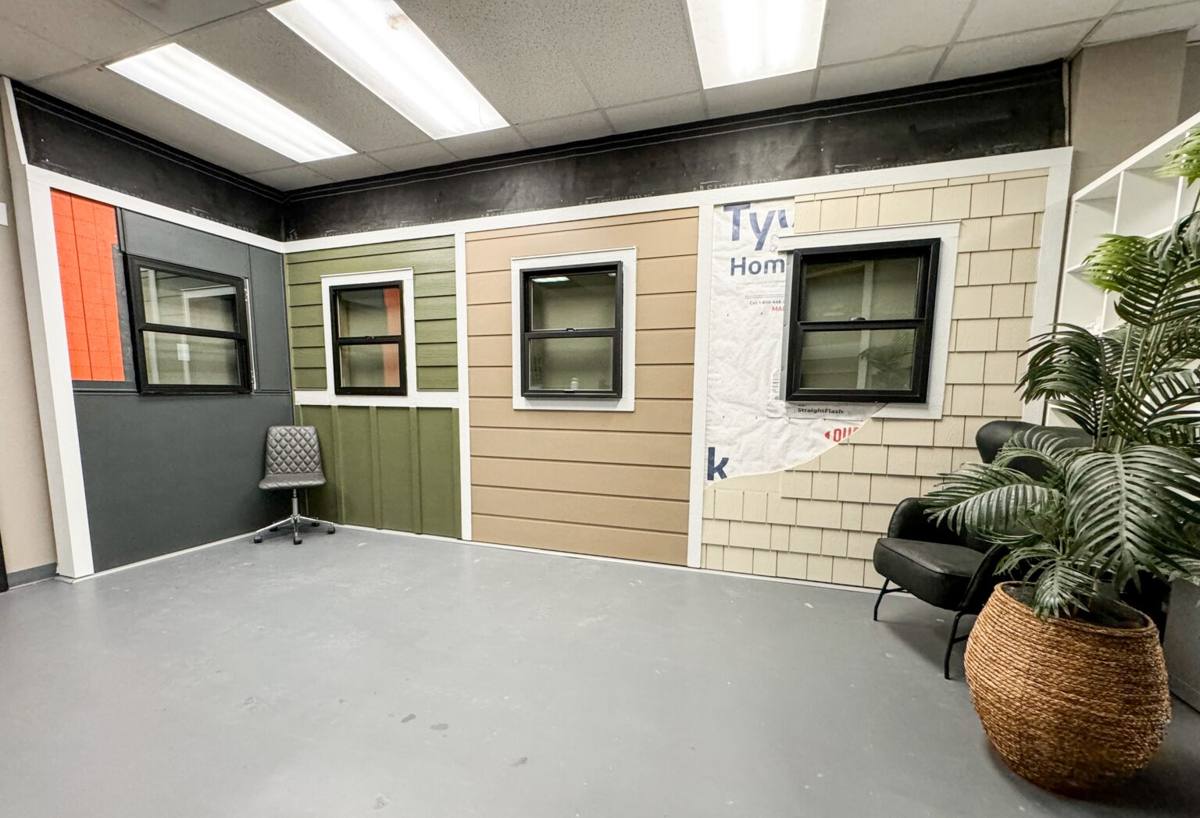
We walk through the relevant HardiePlank, HardieShingle, or HardiePanel options and ColorPlus color choices, matched to the home's exposure and the look the homeowner wants. We'll tell you plainly if a particular texture or color is a poor fit for a heavily shaded, moss-prone wall.
3. Tear-Off and Sheathing Check
Once old siding comes off, we inspect the sheathing for any existing rot or moisture damage — common on older Bellingham homes that have gone one or two siding cycles without anyone checking what's underneath. Anything compromised gets repaired before new siding goes on; covering up bad sheathing just hides the problem for the next owner to find.
4. Installation to Spec
Weather barrier, rain screen, flashing, and fastening all follow James Hardie's published installation requirements — not shortcuts, and not "how we've always done it" if that conflicts with spec. This is also what keeps the manufacturer's warranty intact.
5. Final Walkthrough
We go over caulking, trim details, and touch-up needs with the homeowner before calling the job finished.
Comparing Siding Options for a Salt-Air, High-Moisture Lot
| Factor | Vinyl | Wood/Engineered Wood | James Hardie Fiber Cement |
|---|---|---|---|
| Moisture/rot resistance | Won't rot, but can warp and gap over time | Vulnerable to rot without diligent maintenance | Cement-based, doesn't rot or absorb water like wood |
| Salt air exposure | Can chalk and become brittle faster near the coast | Finish breaks down faster in salt air | Inert to salt; finish engineered for coastal/PNW exposure |
| Fire resistance | Melts/deforms under heat | Combustible | Non-combustible |
| Finish longevity | Color molded in but fades; can't easily repaint texture | Needs repainting/staining on a recurring cycle | Factory ColorPlus finish, separately warrantied |
| Upfront cost | Lowest | Mid-range, varies by species/product | Mid-to-upper range |
| Long-term maintenance | Low, but limited repair options when damaged | Ongoing — the main cost over the life of the siding | Low; occasional recaulking and washing |
Why It Matters That We Already Work This Neighborhood
A contractor unfamiliar with Columbia's specific exposure can still install fiber cement siding — but they may not know to add extra rain-screen attention on a shaded north wall, or which lots along the bay-facing side of the neighborhood take the worst of the wind-driven rain. Working Bellingham and Whatcom County exteriors day in and day out means we've already seen how these details play out over years, not just on installation day. That's the difference between siding that looks right at handoff and siding that's still performing correctly a decade later.
We also know the local permitting process and typical inspection expectations for exterior work in Bellingham, which keeps a project moving instead of stalling on paperwork.
Signs Your Current Siding Is Struggling With This Climate
- Persistent moss or algae staining that returns within a season of cleaning
- Soft spots, bubbling, or visible warping, especially on shaded or bay-facing walls
- Paint that's peeling or chalking faster than expected for its age
- Visible gaps opening up at panel seams or corner boards
- Water staining or discoloration on interior walls near exterior corners
Any of these are worth a look before they turn into sheathing or framing damage.
What Ownership Looks Like After Installation
Fiber cement siding done right is genuinely low-maintenance, but "low-maintenance" isn't "no-maintenance" in a climate like this. Plan on an occasional gentle wash to keep moss and grime from building up, a periodic check of caulked joints for any separation, and prompt attention if a joint or corner ever looks compromised. James Hardie's product warranty and the ColorPlus finish warranty both assume the siding was installed to spec, which is one more reason installation quality isn't a place to cut corners.
If you're weighing siding options for a home in the Columbia neighborhood, we're happy to take a look, walk you through what your specific exposure calls for, and put together a straightforward, no-pressure estimate. Use the form below to get started.