 Bellingham Exterior
 Windows Built for the Puget Stretch of Bellingham
Homes in the Puget area sit close enough to the water that the weather isn't an occasional inconvenience — it's a daily condition. Salt-laden air moves through window hardware and finishes year-round, driving rain finds every gap in old flashing during a fall storm, and the shade and moisture that come with a long moss season keep wood trim and sills damp for weeks at a stretch. Windows here don't fail because they were built badly. They fail because they were built, or installed, for a different climate.
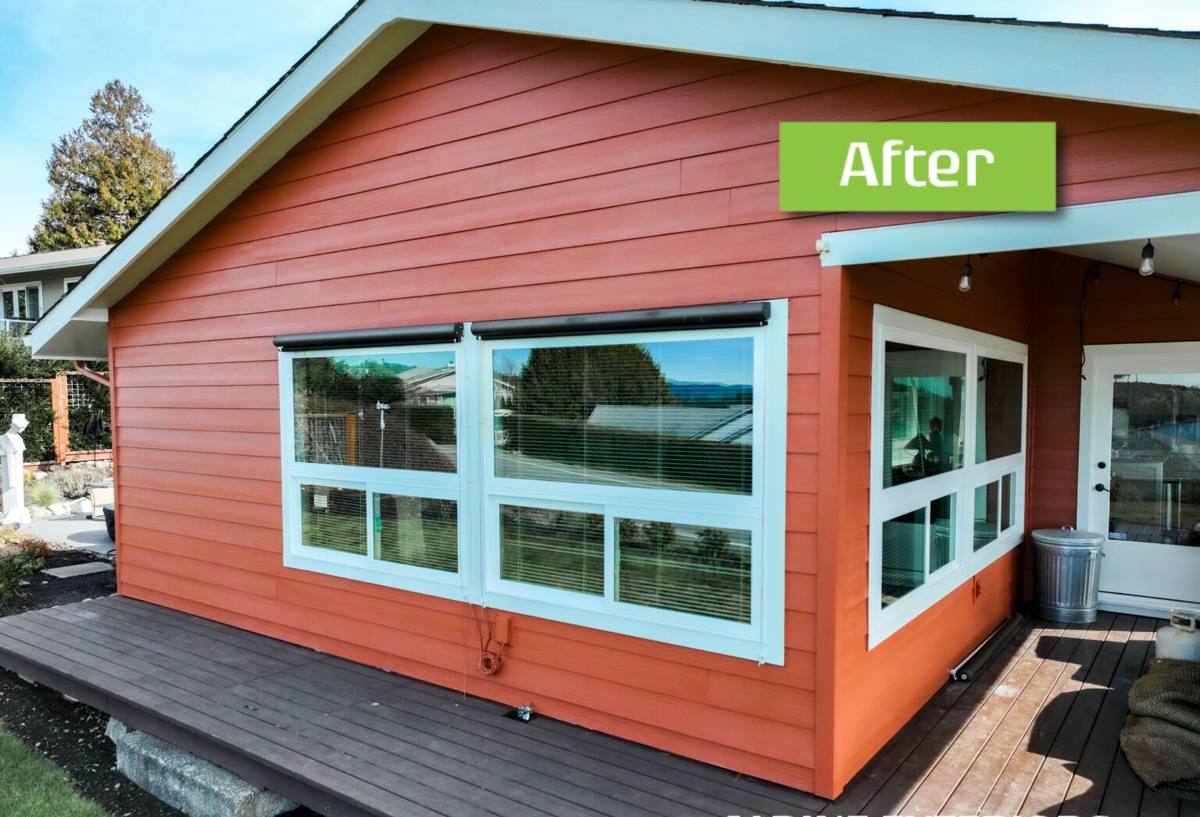
We install custom windows for Puget homeowners with that reality in mind from the first measurement to the final bead of sealant. This page walks through what that actually means — not marketing language, just what a correct window job looks like in this specific part of Bellingham.
What the Local Climate Actually Does to Windows
Salt Air and Metal Hardware
Proximity to Bellingham Bay means airborne salt is a constant, low-grade presence. It doesn't damage glass, but it does work on anything metal — hinges, cranks, balance systems, and uncoated fasteners. Over years, that leads to stiff or seized hardware, corrosion streaks below hinge points, and locks that no longer seat cleanly. It's a slow process, which is exactly why it gets ignored until a window won't close all the way.
Driving Rain and Wind-Driven Water
Whatcom County storms don't just drop rain straight down — wind pushes it sideways into the wall assembly, especially on west- and southwest-facing elevations that catch weather coming off the water. A window that isn't flashed and sealed correctly on those exposures will leak long before the glass or frame shows any visible wear. This is the single biggest cause of hidden water damage we find behind older windows in this area.
The Long Moss Season
Extended damp, shaded stretches of the year keep moisture sitting on horizontal surfaces — window sills, trim caps, and the tops of frames — longer than in drier climates. That sustained moisture is what feeds moss and mildew growth on wood trim and creates the conditions for rot to start at joints and fastener points, even on wood that looks sound from a few feet away.
Signs a Puget Home's Windows Need Attention
- Sashes that stick, drag, or won't latch fully — often a sign of hardware corrosion or a frame that's shifted
- Soft or spongy wood at the sill or lower corners of the frame
- Condensation building up between panes, which means the seal on a double- or triple-pane unit has failed
- Visible moss, algae, or dark staining on sills, trim, or the wall just below a window
- A noticeable draft or cold spot near the window in winter
- Paint or caulk that's cracked, peeling, or pulling away from the frame
- Higher heating bills without another clear explanation
Any one of these on its own might be minor. Two or three together, especially on a west-facing wall, usually means the window and its flashing need a real look, not just a caulk touch-up.
What a Correct Window Job Involves Here
It Starts With Flashing, Not the Window Itself
The window unit is often the easy part. What actually keeps water out of the wall is the flashing detail around it — how the building paper or house wrap laps over the flange, how the sill pan is formed, and how water that does get past the outer seal is directed back out instead of into the wall cavity. On a home exposed to driving rain the way Puget properties are, we treat this step as non-negotiable, even when it means more labor than a straight swap-and-caulk replacement.
Sill Pans and Drainage
A sill pan gives any water that gets behind the window a way out instead of a place to collect. On older Bellingham homes built before this was standard practice, retrofitting a proper sill pan during replacement is one of the most effective single upgrades we can make — it directly addresses the driving-rain problem this area deals with.
Material and Hardware Choices That Hold Up to Salt Air
We steer clients toward frame materials and hardware finishes that resist corrosion rather than just look good on installation day. Cheaper hardware often performs fine for the first year or two, then starts sticking or corroding once salt exposure adds up — which is a maintenance burden and a warranty headache we'd rather help you avoid up front than deal with as a callback later.
Sealing That's Built to Move
Wood and vinyl frames expand and contract with temperature and moisture swings. We use sealants and joint details rated for the movement and UV exposure our climate produces, applied at the right temperature and humidity — sealant applied on a damp Bellingham morning doesn't cure the way it should, and that's a common, avoidable cause of early failure.
Our Process, Start to Finish
- On-site assessment. We look at existing window condition, framing, and — critically — the flashing and drainage situation, not just the glass and sash.
- Honest scoping. If we find rot or damaged sheathing behind a window, we tell you before work starts, not after we've already opened the wall.
- Product selection. We walk through frame material, glazing, and hardware options suited to a salt-air, high-moisture exposure, with real trade-offs explained plainly.
- Removal and prep. Old units come out carefully so we can inspect and, if needed, repair the framing and sheathing underneath before anything new goes in.
- Correct flashing and sill pan installation. This is where most of the long-term performance actually comes from.
- Window installation and sealing. Set plumb, level, and square, then sealed with materials suited to our climate.
- Final check. Operation, seal integrity, and exterior trim finish are all confirmed before we consider the job done.
Cost Factors to Understand Before You Budget
| Factor | Why It Affects Cost |
|---|---|
| Frame material | Vinyl, fiberglass, and wood-clad options differ in upfront cost and long-term maintenance in a salt-air, high-moisture climate |
| Number of openings | Per-window cost typically drops on larger projects due to shared setup and labor efficiency |
| Condition behind the old window | Rot or damaged sheathing found during removal adds repair scope beyond the window itself |
| Exposure of the wall | West- and southwest-facing openings that take direct driving rain often warrant more robust flashing and sill pan work |
| Glazing package | Double- vs. triple-pane and coating options affect both price and long-term energy performance |
| Access and site conditions | Second-story or hard-to-access openings add labor time |
We don't publish flat per-window prices because these factors genuinely change the number from one house to the next — an honest estimate has to be based on your actual openings, not a generic quote.
Why It Matters That We Already Work in This Area
A crew that mainly works inland doesn't think about sill pans and salt-resistant hardware by default, because they don't need to most of the time. Working regularly in Bellingham's water-adjacent neighborhoods means we default to details that matter here — flashing sequencing, drainage, and hardware selection — instead of treating them as upgrades. That's less about any single product and more about habit: the questions we ask on a Puget property are shaped by what actually goes wrong on properties like it.
We're also familiar with how Whatcom County's building requirements apply to window replacement, so permitting and inspection, when required, don't become a surprise partway through the project.
Maintenance That Extends the Life of New Windows
- Rinse sills and frames periodically to clear salt residue, especially after storms
- Keep gutters and downspouts clear so roof runoff isn't dumping extra water near window heads
- Trim back vegetation that keeps sills shaded and damp, which speeds moss growth
- Lubricate hardware annually to keep cranks and locks from stiffening up
- Inspect exterior caulk lines each fall before the wet season sets in, and address cracks early
None of this is complicated, but skipping it is how a well-installed window ends up with the same problems as the one it replaced, just on a longer timeline.
Get a Straight Answer on Your Windows
If you're dealing with sticking sashes, drafts, fogged glass, or you just want a second opinion on windows that are getting old, we're glad to take a look. We'll tell you honestly whether repair, partial replacement, or a full window replacement makes sense for your home — no pressure, no inflated scope. Use the form below to request a free estimate, and we'll walk your Puget-area property with the same eye for flashing and drainage detail described above.