 Bellingham Exterior
Windows Built for Silver Beach's Weather, Not Just Its View
Silver Beach sits close to the water on Bellingham's east side, near Lake Whatcom, and that proximity cuts both ways. The lake and the surrounding tree cover give the neighborhood some of the prettiest sightlines in the city, but they also mean homes here take on more moisture than a house three miles inland. Humid air off the water, shade from mature trees, and Whatcom County's long wet season all add up to windows that work harder than most. When we talk about "custom windows" for this neighborhood, we're not just talking about odd-sized openings in older homes — we're talking about matching frame material, glazing, and installation detail to a specific set of local conditions.
A window that's fine in a dry inland subdivision can start failing early here if it wasn't specified or installed with this climate in mind. That's the gap we aim to close.
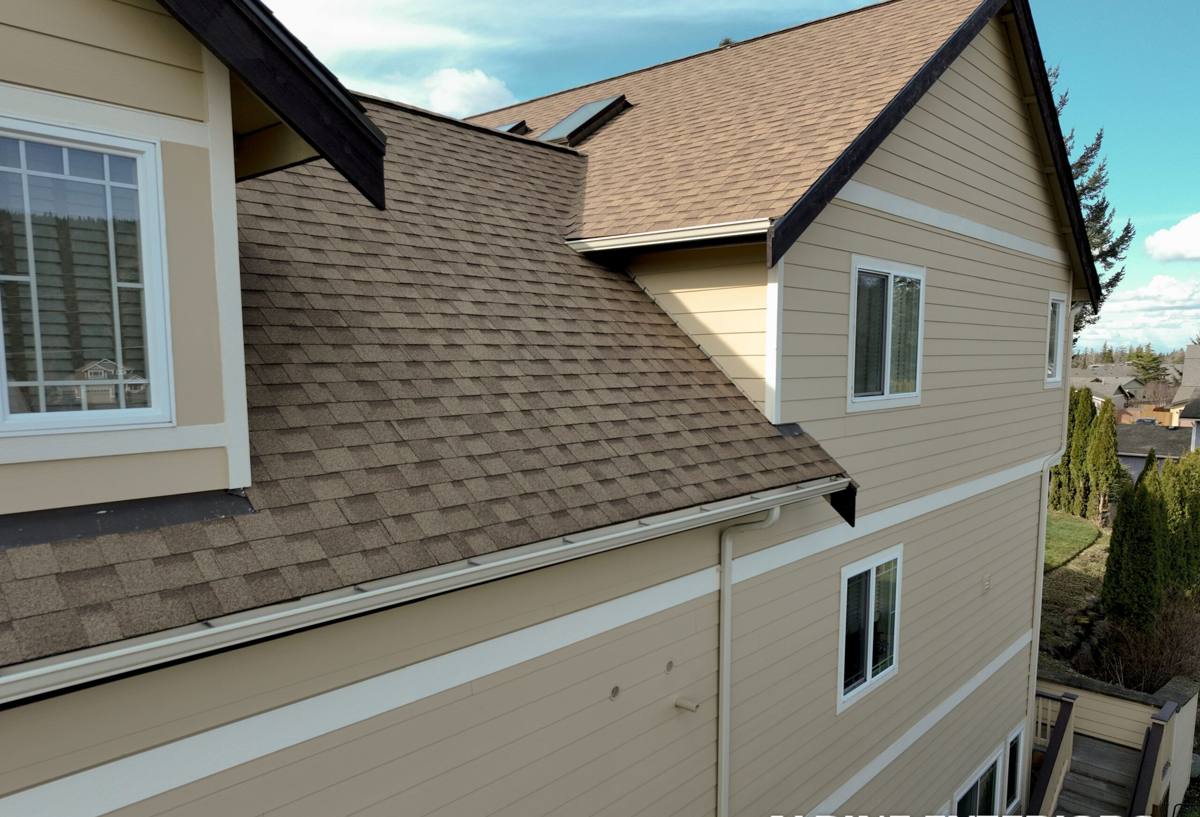
What "Custom" Actually Means for This Neighborhood
Custom windows aren't a luxury upsell — for a lot of Silver Beach homes, they're the only realistic option. A meaningful share of the housing stock in this part of Bellingham predates modern standard window sizing. Additions, remodeled porches, and older framing methods mean rough openings that don't match anything on a big-box shelf. Custom manufacturing means the window is built to your actual opening, not the other way around.
When custom sizing is the right call
- Older homes with original, non-standard rough openings
- Additions or remodels where framing was never squared to modern spec
- Bay, bow, or angled window arrangements
- Replacing a single odd window without re-framing the whole wall
- Matching sightlines and grid patterns across a home with mixed window ages
The alternative to custom sizing is usually re-framing the opening to fit a stock window — more labor, more disruption to siding and trim, and more chances to open up a wall that's been dry and sealed for decades. In most cases, building the window to the opening is the cleaner, less invasive path.
The Climate Factors That Should Drive Your Material Choice
Three things matter most for windows in this pocket of Whatcom County: how well the frame handles sustained moisture exposure, how well the seals and flashing shed wind-driven rain, and how much upkeep the material needs once moss and mildew start finding a foothold, which happens earlier here than in drier parts of the county.
| Frame Material | Moisture Behavior | Maintenance in This Climate | Typical Fit |
|---|---|---|---|
| Vinyl | Won't rot; seams and welds are the weak point if not installed well | Low — occasional cleaning | Budget-conscious replacement, rental or secondary units |
| Fiberglass | Excellent — dimensionally stable, doesn't absorb moisture | Low | Best all-around fit for direct rain and humidity exposure |
| Wood-clad | Good if cladding and seals stay intact; interior wood needs protection from condensation | Moderate — watch cladding seams and interior finish | Homes prioritizing interior wood appearance |
| Aluminum | Doesn't rot but conducts cold, which increases interior condensation risk | Low to moderate | Rarely our first recommendation for this area's humidity |
We don't push one product line on every home. We do steer clients away from choices that create predictable long-term headaches in a wet, shaded, near-water setting — heavy interior condensation, cladding seams that trap water, or trim details that give moss somewhere to grip. That's a judgment call based on how materials actually behave here over years, not a knock on any manufacturer.
Signs Your Current Windows Are Losing the Fight
Because failure in this climate is often slow and hidden behind trim or siding, homeowners frequently miss the early signs. Worth checking before you decide whether you need a full replacement, a repair, or nothing at all:
- Fogging or moisture between panes — the seal has failed and the insulating gas is gone
- Soft or discolored wood at the sill or bottom corners of the frame
- Visible moss or dark streaking on the frame or the siding directly below the window
- Drafts you can feel even when the window is fully latched
- Paint or finish that's peeling from the inside out, which often points to trapped moisture rather than sun exposure
- Difficulty opening, closing, or locking — frames that have swollen or shifted
- Water staining on interior drywall or trim after heavy rain
Any one of these can be an isolated fix. Several at once, especially on the side of the house that takes the most weather, usually means the window and its flashing are due for replacement rather than another round of caulk and paint.
Our Process for a Silver Beach Window Job
1. On-site assessment
We look at each opening individually — framing condition, current flashing, sill pitch, and how much direct weather that specific elevation takes. A window on the water-facing side of a Silver Beach home needs more attention to flashing detail than one tucked under a covered porch.
2. Measuring and product selection
Custom units are built to the exact opening. We walk through frame material, glazing options, and grid or trim style with you, weighing upfront cost against how much maintenance you're willing to take on down the road.
3. Removal and opening prep
Old units come out carefully to protect surrounding siding and interior finishes. We check the framing underneath for hidden rot before anything new goes in — this is often where problems that caused the original failure get found.
4. Flashing and weatherproofing
This is the step that determines whether a window lasts fifteen years or fifty in a climate like ours. Proper flashing tape, a correctly lapped drainage plane, and sealant applied at the right points keep wind-driven rain from ever reaching the framing, even during a hard southwesterly storm.
5. Installation and finish
The window is set, shimmed, and secured to spec, then trimmed to match the home. We test operation and seal before calling the job done.
6. Walkthrough
We show you what was done, what to watch for, and what a normal amount of seasonal condensation looks like versus a problem worth calling us about.
Why Flashing Detail Matters More Here Than the Window Itself
Homeowners tend to focus on the window unit — the brand, the glass, the frame color. In Silver Beach's conditions, the flashing and sealant work around the window is at least as important. Wind-driven rain doesn't need much of a gap to find its way behind trim, and once water gets into wall framing in a shaded, humid setting, it doesn't dry out quickly. We've corrected more than a few failures over the years that traced back not to a bad window, but to flashing that was skipped or installed out of sequence during a previous job. Getting this right the first time is cheaper than fixing hidden rot two years later.
What Drives Cost on a Custom Window Job
| Factor | Why It Moves the Price |
|---|---|
| Opening size and shape | Non-standard or angled openings require custom manufacturing, not off-the-shelf stock |
| Frame material | Fiberglass and wood-clad typically cost more upfront than vinyl or aluminum |
| Number of openings | Per-window cost usually drops with volume on multi-window projects |
| Framing condition | Rot or damage found during removal adds repair scope before the new window goes in |
| Access and elevation | Second-story or hard-to-reach openings take more labor and equipment |
| Trim and finish work | Matching existing exterior trim profiles adds carpentry time |
We give straight, itemized estimates rather than a single vague number — you should know what you're paying for the window itself versus the labor, flashing, and trim work around it.
Living With Custom Windows in a Wet, Shaded Climate
Even a well-installed window needs some seasonal attention here. A few habits go a long way toward getting the full lifespan out of a new installation:
- Rinse frames and sills periodically to keep moss and organic buildup from taking hold, especially on north- and shaded east-facing windows
- Check and clear weep holes on vinyl and fiberglass frames so water can drain rather than pool
- Watch for condensation buildup on interior glass during cold snaps — occasional condensation is normal, persistent condensation is worth a call
- Re-caulk exterior trim joints if you notice cracking, well before water finds its way behind them
None of this is heavy maintenance, but skipping it in a climate this wet shortens the life of even a good product.
Why a Crew That Already Works This Neighborhood Is Worth Choosing
General contractors from outside Whatcom County sometimes treat window installation the same everywhere, which is a mistake in a neighborhood like Silver Beach. A crew that already works this area knows which elevations take the worst weather, how the local building department handles permitting for older homes, and what flashing sequence actually holds up through a wet Bellingham winter. That familiarity shows up less in the sales pitch and more in the parts of the job nobody sees once the trim goes back on — the flashing, the shimming, the sealant lines. That's where window jobs actually succeed or fail.
If your windows in Silver Beach are fogging, drafty, showing moss, or just original to a home that's been standing longer than they have, we're happy to take a look. Use the form below for a free, no-pressure estimate — we'll walk the openings with you and give you a straight read on what your home actually needs.