 Bellingham Exterior
 Deck Replacement for Happy Valley Homes
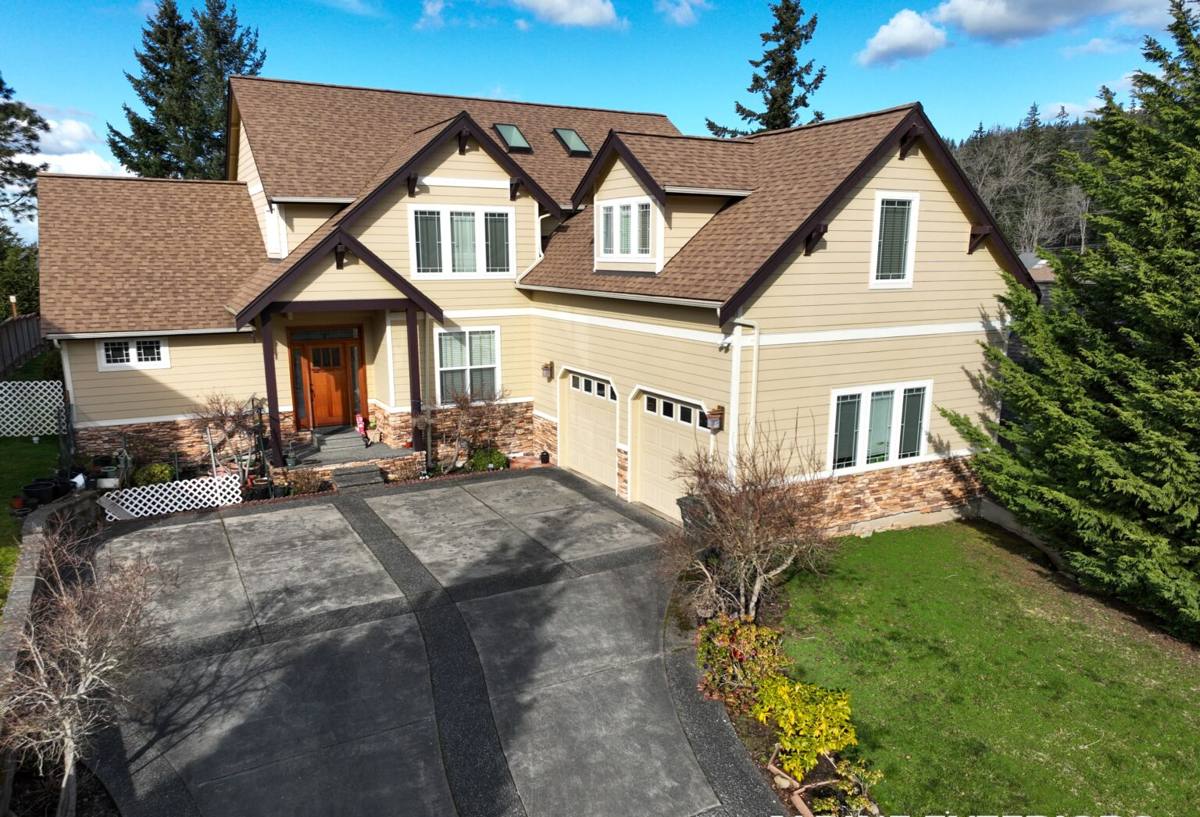
Happy Valley sits close enough to the water and the tree cover that its decks take a different kind of beating than decks on the drier side of Bellingham. If you own a home here and your deck has started to feel soft underfoot, or you're tired of scrubbing green film off the boards every spring, you're not imagining things — this neighborhood is genuinely harder on outdoor structures than most. This page walks through what a proper deck replacement looks like for a Happy Valley property, what we check for before we ever pick up a tool, and how our process works from first visit to final walkthrough.
Why Decks Fail Faster in This Part of Whatcom County
Three things work against a deck here, and they work together, not separately.
Salt Air
Proximity to Bellingham Bay means a steady, low-level exposure to salt-laden air. It doesn't just affect metal — though it will corrode fasteners, brackets, and hardware faster than an inland home would experience — it also accelerates the breakdown of finishes and sealants on wood and composite alike. A coating rated for a dry climate often underperforms here simply because it wasn't tested against this kind of exposure.
Driving Rain
Bellingham gets a lot of rain, but the more damaging factor is the wind-driven rain that comes off the water and hits decks at an angle rather than falling straight down. That means water gets pushed under railings, into ledger board connections, and behind fascia in ways that vertical rain wouldn't. A deck built to a generic spec — without extra attention to flashing and water diversion at the house connection — will show rot at that ledger board years before the rest of the structure fails.
Moss Season
Our moss season runs long — often eight months or more of conditions damp and shaded enough to support growth. Moss on a deck surface isn't just cosmetic. It holds moisture against the board, blocks airflow, and turns walking surfaces slick and dangerous well before the wood itself is compromised. Decks with heavy tree cover or a north-facing orientation, which describes a good number of Happy Valley lots, are especially prone to this.
What a Correct Replacement Looks Like Here
A deck replacement done right for this specific climate isn't just "same deck, new boards." It means making deliberate choices at each stage to counter the three problems above.
Framing and Fasteners
We use fasteners and structural hardware rated for coastal or high-corrosion environments — this matters more here than in most of the county. Standard galvanized hardware can start showing surface corrosion well before a deck's expected lifespan is up when it's exposed to salt air year-round. We also make sure joist spacing and beam sizing meet current code for your specific deck dimensions and expected load, not just whatever the old deck had.
Ledger Board Connection
This is the single most common failure point we find when we tear into an older Happy Valley deck. The ledger board — where the deck attaches to the house — needs proper flashing that actually directs water away from the rim joist, not just a bead of caulk. Given how much wind-driven rain this area gets, we treat this connection as the highest-priority detail on the entire job.
Decking Material Choice
There's no single right answer here — it depends on your budget, how much shade the deck sits in, and how much maintenance you're willing to do. We'll walk through the honest trade-offs with you rather than push one product.
| Material | Moss / Moisture Behavior | Maintenance | Typical Lifespan |
|---|---|---|---|
| Pressure-treated wood | Absorbs moisture readily; needs sealing to resist moss and rot | Annual cleaning and periodic re-sealing | 10-15 years with upkeep |
| Cedar | Naturally moisture-resistant but still needs finish upkeep in shaded, damp spots | Regular cleaning, occasional refinishing | 15-20 years with upkeep |
| Composite decking | Doesn't rot, but can still grow surface moss/algae in constant shade — needs periodic washing | Low; occasional cleaning, no sealing/staining | 25-30+ years |
Composite generally holds up best against our specific moss and moisture conditions, but it costs more up front and some homeowners simply prefer the look and feel of real wood. Either choice can work well in Happy Valley if the structure underneath and the drainage details are handled correctly — the material is only part of the equation.
Ventilation and Drainage: The Part Most Homeowners Never See
A deck that looks fine on top can still be failing underneath. In a climate with this much sustained moisture, what happens below the decking boards matters as much as what happens above them.
- Adequate gap spacing between boards so water sheds through instead of pooling on the surface
- Clear airflow underneath the deck so the framing can dry out between rain events
- Grading or drainage at ground level so water doesn't collect and sit under low-clearance decks
- Post bases that keep wood posts off direct ground contact, reducing moisture wicking from below
- Proper flashing at any point the deck meets the house, not just at the ledger board
We check every one of these on a replacement, because rebuilding the surface while leaving a moisture problem underneath just means you're back to rot in a few years instead of a couple of decades.
Signs Your Happy Valley Deck Needs Replacing, Not Repairing
Not every tired-looking deck needs a full replacement. But there are signs that tell us the structure itself — not just the surface — has been compromised, usually by the same moisture issues described above.
- Soft, spongy, or bouncy spots when you walk across the deck
- Visible rot or dark, crumbling wood at the ledger board or near posts
- Persistent moss or algae that returns within weeks of cleaning
- Rust staining around fasteners or visibly corroded hardware
- Railings that feel loose or wobble under normal pressure
- Gaps or separation where the deck meets the house
If you're seeing one or two of these, a repair might still be enough. If you're seeing several at once, especially soft framing combined with ledger board issues, that usually points to a replacement being the more honest recommendation — patching those problems individually tends to cost more over time than doing it once, correctly.
Our Process for a Happy Valley Deck Replacement
1. On-Site Assessment
We come out and actually get under the deck and check the framing, ledger connection, post condition, and drainage — not just look at the surface. This tells us whether you're dealing with a cosmetic issue or a structural one.
2. Honest Scope and Options
We'll explain what we found, what needs to happen structurally, and walk through material options with the real trade-offs for your specific lot — sun exposure, tree cover, and how close you are to the water all factor into what we recommend.
3. Permitting
Deck replacements of most sizes require a permit through the City of Bellingham or Whatcom County, depending on your property's location. We handle that process as part of the job so you're not left navigating it yourself.
4. Demolition and Structural Rebuild
Old decking, and any framing that doesn't meet current standards, comes out. We rebuild the structure with corrosion-resistant fasteners and proper flashing at every connection point, particularly the ledger board.
5. Decking Installation and Finishing
Your chosen material goes down with correct spacing for drainage, and railings and stairs are finished to code. We walk the finished deck with you before we consider the job done.
Why a Crew That Already Works Happy Valley Matters
A deck built to a generic regional standard can still fail early here if it doesn't account for this neighborhood's specific combination of salt exposure, wind-driven rain, and extended moss season. A crew that's already worked on decks in this area knows to check the ledger board first, knows which fastener grades hold up under salt air, and knows where drainage tends to get overlooked on lots with heavy tree cover. That local pattern recognition is the difference between a deck that needs attention again in five years and one that holds up for decades.
Maintenance After Replacement
A well-built deck still needs some seasonal attention in this climate, and setting expectations up front avoids surprises later.
- Clear moss and debris from the surface before it establishes, especially in shaded areas — at least once a year, more often under heavy tree cover
- Keep gutters and downspouts clear so runoff isn't dumping extra water onto or near the deck
- Check hardware and fasteners periodically for early signs of corrosion
- Reseal wood decking on the schedule appropriate to that product — composite generally just needs periodic washing
- Keep vegetation trimmed back from the deck edges to maintain airflow underneath and around the perimeter
If your Happy Valley deck is showing soft spots, persistent moss, or rot near the house connection, we're happy to come take an honest look. Fill out the form below for a free, no-pressure estimate — we'll tell you straight whether you're looking at a repair or a full replacement.