 Bellingham Exterior
 South Hill Windows Work Harder Than Windows Almost Anywhere Else
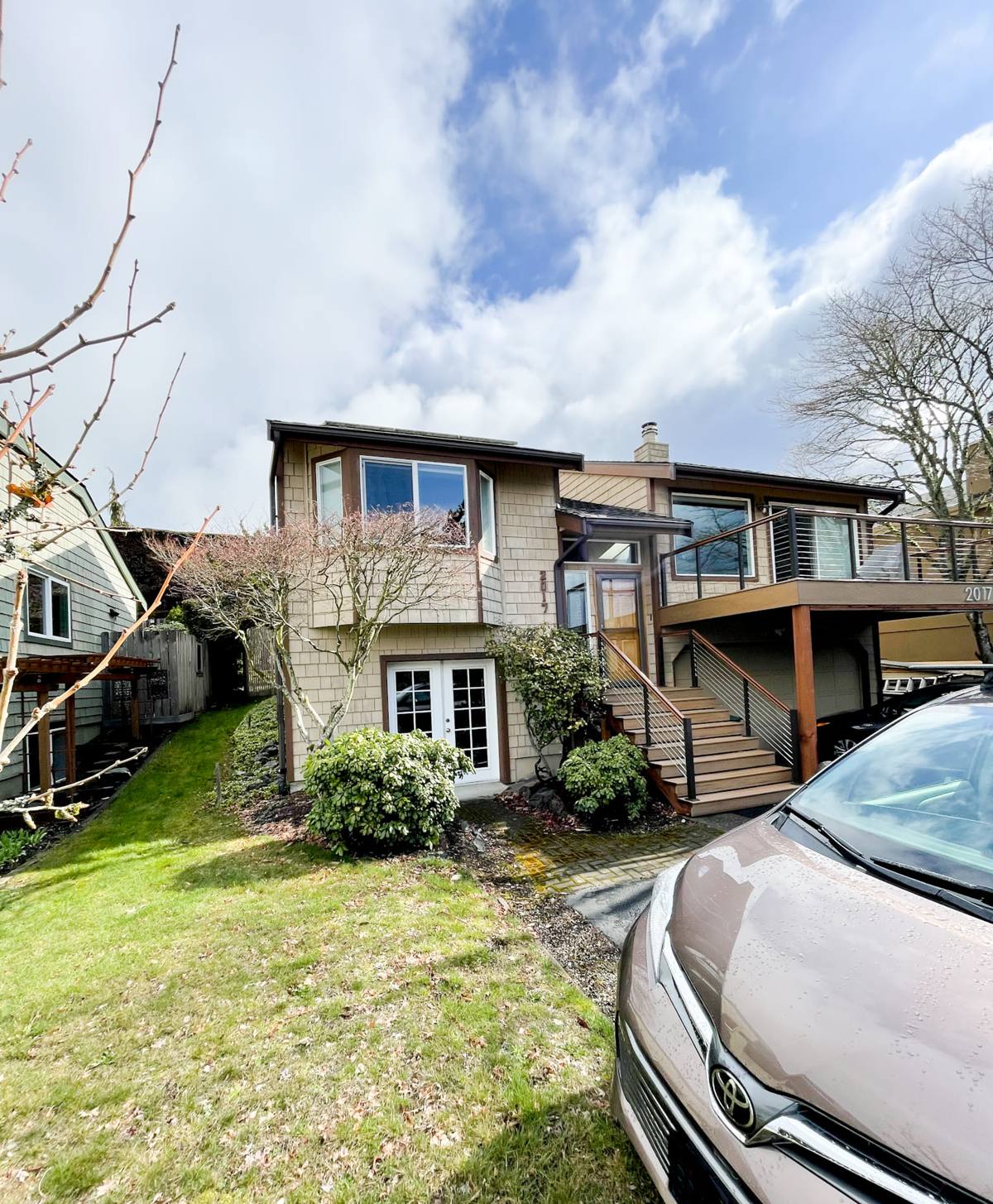
South Hill sits up on the bluff above Bellingham Bay, which means the same view that makes the neighborhood desirable also means the same exposure that wears out windows faster than in a sheltered inland lot. Homes up here take wind-driven rain straight off the water, a steady dose of salt air, and Whatcom County's long, damp moss season that keeps wood and lower-grade vinyl trim wet for months at a time. A window that would coast along fine in a dry climate can start failing here in half the time — fogging between the panes, sticking in its frame, or letting cold air leak in right where the sash meets the frame.
We install and replace windows across South Hill and the rest of Bellingham, and the pattern is consistent: it's rarely the glass itself that fails first. It's the seals, the flashing, and the frame material giving up under constant moisture cycling. An energy-efficient window on this hill has to be efficient and durable, because a leaky seal undoes the insulation value fast.
What "Energy-Efficient" Actually Means Here
Energy-efficient windows aren't just about the glass. Three ratings matter, all found on the NFRC label that should come with every window we quote:
- U-factor — how well the window resists heat loss. Lower is better for our winters. This is the number that matters most in a marine climate like ours, where heat loss (not heat gain) is the bigger concern most of the year.
- SHGC (Solar Heat Gain Coefficient) — how much solar heat passes through. South Hill's westerly and water-facing exposures can get real afternoon sun, so this still matters on sun-facing walls even though our summers are mild.
- Air leakage rating — how much air moves through the assembly. On a hill that catches wind off the bay, this number is where a lot of cheap windows quietly lose.
Glass Packages
Double-pane with a low-E coating and argon gas fill is the standard baseline we recommend for most South Hill homes — it balances cost against real-world performance in our climate. Triple-pane adds more insulation value and sound dampening, which is worth discussing on north- or west-facing rooms that catch the worst of the weather, but it adds weight and cost that isn't always justified on every elevation of a house.
Frame Material
Frame choice matters as much as glass here, because the frame is what's exposed to salt air and standing moisture season after season:
| Frame Material | How It Handles Salt Air & Rain | Maintenance | Typical Fit |
|---|---|---|---|
| Vinyl | Doesn't corrode or rot; performs well in coastal exposure | Low — occasional cleaning | Most South Hill homes, good value |
| Fiberglass | Very stable, resists expansion/contraction, excellent in wind-driven rain | Low | Higher-exposure walls, longer-term investment |
| Wood / wood-clad | Handsome but needs a sound exterior clad or diligent upkeep to resist our moss-season moisture | Higher — repainting, sealant checks | Historic character homes where matching original trim matters |
| Aluminum | Conducts cold and can corrode near salt air over time | Moderate | We rarely recommend it for this location |
We're honest about that last row: aluminum frames are common in older builds, but between the cold-conducting metal and the corrosion risk this close to the water, we don't push it as a replacement choice here — not because it's a bad product everywhere, just a poor match for this specific exposure.
What We See Most Often in South Hill Homes
South Hill has a mix of older, character-rich homes and newer infill, and the window problems differ by age:
- Original single-pane wood windows with failed or missing weatherstripping, common in older houses on the hill
- Early double-pane replacement windows (often 20-30 years old) with seal failure — visible as fogging or a milky haze between the panes
- Wood sills and lower frame corners softened by years of moss-season moisture sitting against the wood
- Drafts around window trim on walls that take direct wind off the bay
- Condensation on interior glass in winter, a sign the window (or the wall assembly around it) isn't managing heat and moisture the way it should
None of these are unusual — they're what you'd expect from this climate acting on windows over time. The fix isn't always a full replacement; sometimes it's a repair, a re-seal, or better flashing. We'll tell you honestly which one your situation calls for.
What a Correct Installation Actually Involves
The window itself only accounts for part of its performance. The other part is how it's installed — and this is where a lot of energy loss and water intrusion problems actually start, regardless of how good the window is.
The Details That Matter
- Flashing sequence — water needs a shingled, lapped path down and out of the wall, never a path that traps it against the framing
- Sill pan — a proper sloped pan under the window directs any water that gets past the exterior back outside instead of into the wall cavity
- Air sealing at the rough opening — low-expansion foam or backer rod and sealant around the frame, not just caulk on the exterior trim
- Correct shimming and squaring — a window installed out of square binds, doesn't seal evenly, and wears its weatherstripping unevenly
- Exterior trim and caulking sized for movement — sealant that can flex with temperature and moisture swings instead of cracking after one wet winter
Skip any of these steps and you can end up with a high-performance window that still leaks air or water — which is why we treat installation as equally important as the product spec sheet.
Our Process
1. On-Site Assessment
We look at each window's condition, the wall assembly around it, and how that side of the house is exposed to wind and rain — a south-facing wall on the hill gets treated differently than a sheltered side.
2. Straightforward Quote
We walk you through frame and glass options with honest trade-offs, not upsell pressure. If a repair makes more sense than full replacement for a given window, we'll say so.
3. Scheduling Around Whatcom County Weather
We plan installs for weather windows that let us keep the opening dry and properly sealed the same day — rushing an install between storms is how corners get cut.
4. Installation and Flashing
Old window out, opening inspected for hidden rot or moisture damage, proper flashing and sill pan installed, new window set square and sealed.
5. Final Check and Cleanup
We test operation, check the seal, and clean up the job site before we leave.
Cost Factors to Expect
Every home is different, so we won't quote a number without seeing the windows, but these are the factors that move the price up or down:
| Factor | Effect on Cost |
|---|---|
| Frame material (vinyl vs. fiberglass vs. wood-clad) | Vinyl is typically the most affordable; fiberglass and wood-clad cost more |
| Glass package (double vs. triple-pane) | Triple-pane adds cost but adds insulation and sound value |
| Window count and size | Larger or custom-sized openings cost more per unit |
| Condition of the existing opening | Hidden rot or moisture damage found during removal adds repair scope |
| Access and elevation | Upper-story or hard-to-reach windows on a hillside lot can add labor time |
| Historic or matching-trim requirements | Custom profiles to match older South Hill homes add cost over stock sizes |
Broadly, homeowners should expect a range from budget vinyl replacements on the low end to premium fiberglass or wood-clad units with custom sizing on the high end. We'll break your specific quote down line by line so you know what you're paying for.
Why a Crew That Already Works South Hill Matters
Window installation isn't one-size-fits-all, and a crew that works this specific neighborhood regularly has already seen how South Hill's exposure, older housing stock, and hillside access affect the job. We know to check sills and framing for moss-season moisture damage before we ever price the visible window, we plan installs around Bellingham's rain patterns instead of guessing, and we're familiar with the mix of historic character homes and newer builds that make up this part of the city. That local pattern-recognition is the difference between a window that performs on paper and one that actually holds up through a Whatcom County winter.
Signs It's Time to Talk to Someone About Your Windows
- Fogging or haze between the panes of a double-pane window
- Visible condensation on the inside of the glass in cold weather
- Drafts you can feel near the frame, even with the window closed and locked
- Soft or discolored wood at the sill or lower corners
- Windows that stick, won't latch fully, or have gaps you can see daylight through
- A noticeable jump in heating costs with no other explanation
If any of that sounds familiar, or you're just planning ahead for a home on the hill, we're glad to come take a look. We offer free, no-pressure estimates — walk us through what you're seeing and we'll give you a straight assessment of what your windows actually need, using the form below.