 Bellingham Exterior
 Why Blaine's Waterfront Climate Is Tougher on Roofs
Blaine sits right on the water in the far northwest corner of Whatcom County, close enough to Semiahmoo Bay and Drayton Harbor that salt-laden air isn't an occasional nuisance — it's a daily condition your roof lives in. That changes the math on what "durable" means here compared to a roof twenty miles inland. Salt air accelerates corrosion on exposed fasteners, flashing, and metal edges. Add in driving rain that comes off the water sideways during winter storms, and a moss season that can stretch eight or nine months under the region's cloud cover and mature tree canopy, and you have a roof environment that punishes shortcuts a lot faster than drier parts of the county do.
None of this means a roof in Blaine can't last as long as one anywhere else in Whatcom County. It means the details matter more: the fasteners, the flashing metal, the underlayment, and the airflow through the attic all have to be chosen and installed with this specific exposure in mind, not just built to a generic spec sheet.
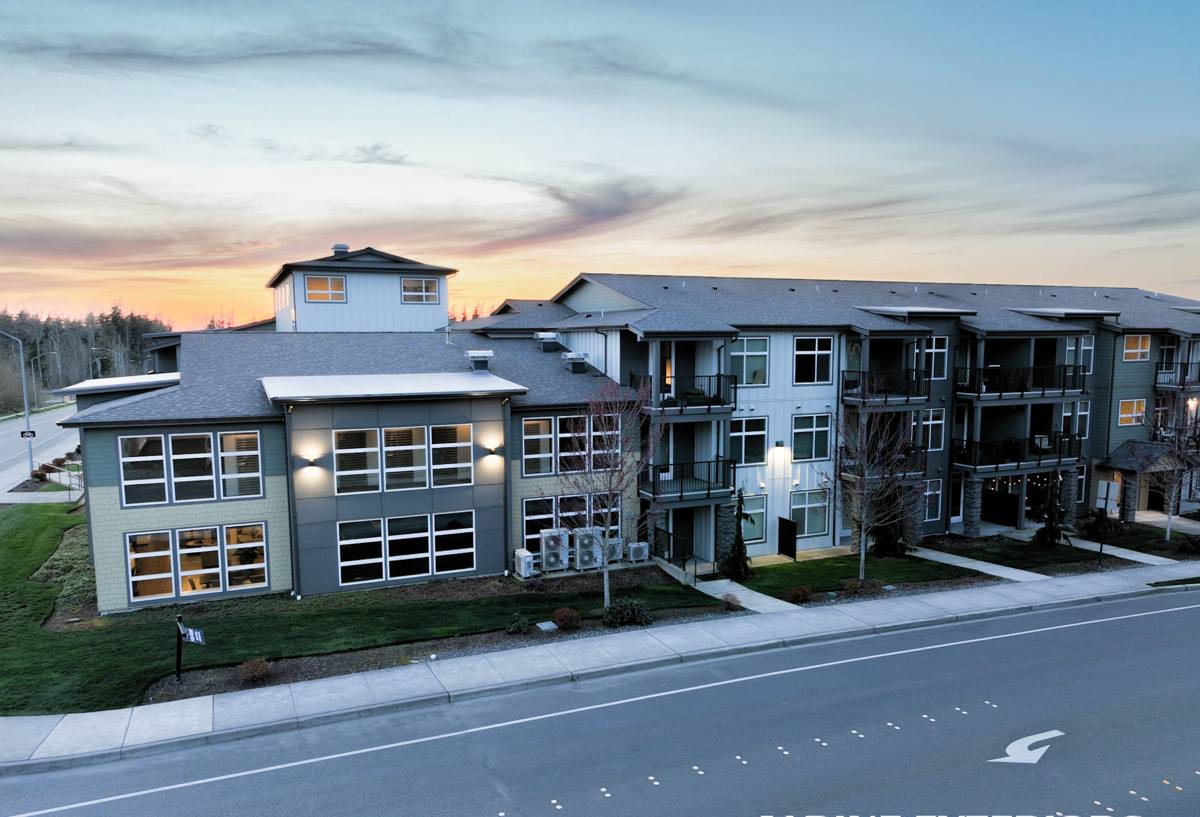
What a Correct Roof Replacement Actually Involves
Decking and Structure
A full tear-off is the only way to see what's actually happening under the old roofing — soft or delaminated sheathing, old leaks that never showed up inside, or gaps in the original framing. Any deck that flexes underfoot or shows staining gets replaced before a single new shingle or panel goes down. Skipping this step is the single most common reason a "new" roof fails early.
Flashing and Fasteners
Around Blaine, we treat flashing and fastener selection as a climate decision, not an afterthought. Valleys, chimneys, skylights, and wall-to-roof transitions all need properly formed metal flashing, not just roofing cement patched over gaps. Fasteners exposed to salt-laden air corrode faster than the same fastener a few miles inland, so corrosion-resistant hardware belongs at every exposed point, not just where it's easy to reach.
Ventilation
Balanced intake and exhaust ventilation keeps the attic dry and close to outdoor temperature. That matters everywhere, but it matters more here because damp coastal air combined with a poorly vented attic is exactly the recipe that feeds moss growth and speeds up shingle aging from underneath.
Material Options for Blaine Homes
There's no single "best" roofing material for every Blaine home — it depends on the roof's exposure, the home's style, and how much long-term maintenance the owner wants to take on. Here's how the common options actually compare in this specific climate.
| Material | Salt-Air Durability | Moss Resistance | Maintenance | Typical Lifespan |
|---|---|---|---|---|
| Architectural asphalt shingle | Good with proper flashing/fasteners | Moderate — needs periodic cleaning | Low to moderate | 25-30 years |
| Standing seam metal | Very good with coated/stainless fasteners | High — sheds moss more easily | Low | 40-50+ years |
| Cedar shake | Fair — needs vigilant maintenance near salt air | Low without regular treatment | High | 20-30 years with upkeep |
Asphalt shingle remains the most common choice because it balances cost, appearance, and performance well when installed correctly. Metal is worth a serious look for homeowners who want to minimize moss battles and long-term maintenance, even with a higher upfront cost. We're honest that cedar shake, while attractive, asks a lot of a homeowner in a moss-prone, salt-air environment — it can be done well, but it demands a maintenance commitment that not every owner wants to take on, and we'll say so plainly during your estimate rather than oversell it.
Our Roof Replacement Process
- On-site inspection and estimate — we walk the roof, check the attic, and give you a written scope, not a verbal guess.
- Material selection — we walk through the trade-offs above based on your home, budget, and exposure.
- Permitting — handled before work starts, per local requirements.
- Tear-off and disposal — old roofing removed down to the deck, hauled off site.
- Deck repair — any compromised sheathing replaced before underlayment goes down.
- Underlayment and flashing — ice-and-water membrane at vulnerable areas, formed metal flashing at all transitions.
- Installation — material installed to manufacturer spec and to the fastening/exposure standard we hold for coastal work.
- Cleanup and magnetic sweep — job site and yard cleared of debris and stray nails.
- Final walkthrough — we review the finished roof with you before calling the job done.
Ventilation and Moisture — The Part You Don't See
A roof replacement is a good time to fix ventilation problems that have been quietly aging your roof from underneath for years. Intake vents at the eaves and exhaust at the ridge need to work together — too much of one and not enough of the other, and you get poor airflow no matter how many vents are on the roof. Near the water, where humidity is consistently higher, that balance is what keeps condensation from forming on the underside of the deck and keeps moss spores from finding the damp conditions they need to take hold.
Keeping Moss From Coming Back
A correctly installed roof resists moss far better than an older one, but Blaine's climate means ongoing upkeep is still part of the deal. A few habits go a long way between inspections:
- Keep gutters, valleys, and roof edges clear of needles and debris where moisture collects
- Trim back overhanging branches to let more sun and airflow reach shaded roof sections
- Have moss growth removed with soft-wash methods rather than pressure washing, which can strip granules and shorten shingle life
- Schedule a roof check after major fall and winter storms, not just once a year on a fixed date
- Address small leaks or lifted shingles right away — in this climate, small problems don't stay small for long
Why a Crew That Already Works in Blaine Matters
Roofing crews that mostly work drier, inland areas don't always plan for how quickly weather can turn on a waterfront job site, or how much moss and salt exposure change material and fastener choices. Working regularly in Blaine and along the rest of the Whatcom County coastline means knowing how storms tend to move in off the water, scheduling tear-offs around realistic weather windows so decking isn't left exposed longer than necessary, and understanding which assemblies actually hold up here versus which ones just look fine on paper. It also means being a known, accountable local business rather than an outfit that shows up after a storm and moves on to the next county.
What Drives the Cost of a Blaine Roof Replacement
Every roof is priced from its own specifics, but the same handful of factors move the number up or down on most jobs.
| Factor | Why It Matters |
|---|---|
| Roof size and pitch | More square footage and steeper pitches mean more material and labor time |
| Number of existing layers | Tear-off of multiple old layers takes longer and adds disposal cost |
| Decking condition | Rotted or soft sheathing found during tear-off adds material and labor |
| Material choice | Asphalt, metal, and cedar carry very different upfront costs |
| Site access | Steep lots, limited driveway access, or tree cover can add setup time |
| Ventilation upgrades | Adding or correcting intake/exhaust venting is worth pricing into the job |
Broad ranges for a straightforward asphalt shingle replacement on an average Whatcom County home typically run from the high single thousands into the low-to-mid five figures, with metal and cedar landing higher. The only way to get a number that actually applies to your house is a walk of your specific roof — anything else is a guess.
Signs Your Blaine Home Needs Replacement, Not Repair
- Granule loss heavy enough that shingles look patchy or bald in spots
- Moss established directly on the shingle mat, not just in the valleys
- Soft spots or visible sagging when walking the roof
- Leaks showing up in more than one area of the house
- Roof age at or past the material's expected service life
- Daylight visible through the decking from inside the attic
- Widespread shingle curling or cupping rather than isolated damage
One or two of these can sometimes be addressed with a targeted repair. Several at once usually means the roof system as a whole is past the point where patching makes financial sense.
If you're weighing repair against replacement, or just want an honest read on where your roof stands, we're glad to come take a look. The estimate is free, there's no pressure to decide on the spot, and you'll get a straight answer either way — use the form below to get started.