 Bellingham Exterior
 Siding Replacement Built for Silver Beach Conditions
Silver Beach is one of Bellingham's older, more established neighborhoods, and it shows in the housing stock — mature trees, mixed home ages, and a lot of siding that's been through decades of Whatcom County weather. Between salt-tinged marine air off Bellingham Bay, driving rain that comes in sideways during fall and winter storms, and a moss season that seems to stretch longer every year, siding here works harder than it does in drier parts of the state. When we replace siding on a Silver Beach home, we're not just swapping old material for new — we're addressing the specific ways this climate breaks siding down.
This page focuses specifically on siding replacement for homes in and around Silver Beach: what the climate demands, what a correct job actually involves, how our process works, and why it matters to hire a crew that already understands this neighborhood.
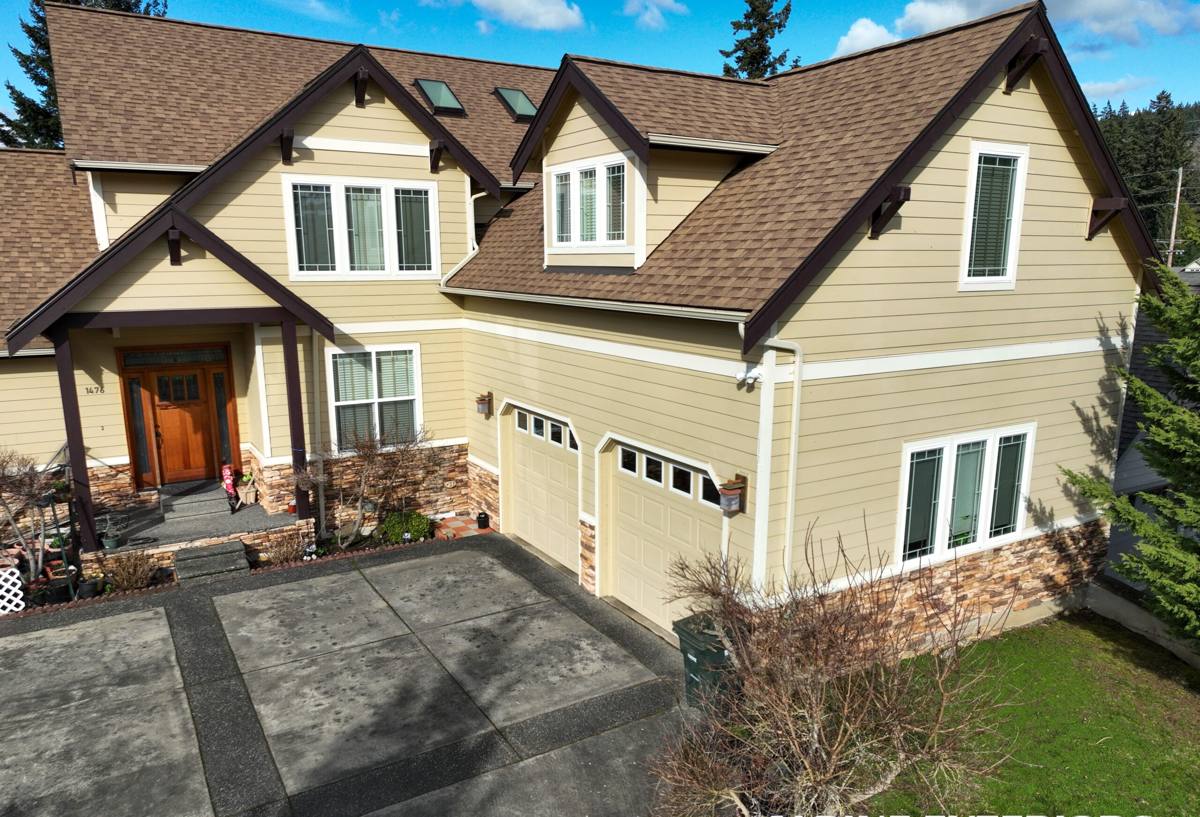
How the Local Climate Wears Down Siding
Moisture That Doesn't Let Up
Whatcom County gets a long wet season, and Silver Beach's tree cover and proximity to the water keep humidity and shade lingering even after the rain stops. Wood-based and wood-composite sidings absorb that moisture over repeated cycles, and once water gets behind or into the panel, rot follows — often invisibly, until paint starts bubbling or boards go soft.
Moss, Algae, and Shade
Heavily treed lots hold shade and moisture on north- and west-facing walls far longer than an open lot would. That's exactly the environment moss and algae need to take hold, and once organic growth is established on a porous or poorly sealed siding surface, it accelerates the material's breakdown underneath.
Salt Air and Wind-Driven Rain
Homes closer to Bellingham Bay deal with a low but steady dose of salt-laden air, which is harder on fasteners, caulking, and unprotected wood fiber than inland exposure. Combine that with wind-driven rain during winter storms — rain that gets pushed sideways into joints, corners, and butt seams — and you get accelerated wear at exactly the details that are easiest to install poorly.
What a Correct Siding Replacement Actually Involves
Siding replacement is not just removing old boards and nailing up new ones. Done right, it's a system, and every layer matters:
- Full tear-off and inspection — removing old siding to expose the sheathing so we can find hidden rot, soft spots, or prior water damage before it's covered up again
- Sheathing repair — replacing any compromised OSB or plywood, not siding over a wall that's already failing underneath
- Weather-resistive barrier (WRB) — a correctly lapped and taped house wrap that manages any moisture that does get past the siding
- Flashing at every penetration — windows, doors, hose bibs, vents, and any other wall penetration get proper flashing so water is directed out, not in
- Rainscreen or drainage gap where appropriate — giving the wall assembly a way to dry out, which matters even more in a climate this wet
- Correct fastening and joint treatment — following manufacturer nailing schedules and properly treating cut edges and seams
Skip any one of these steps and you can end up with siding that looks fine from the curb but is trapping moisture against the wall — a slow failure that often isn't obvious until the damage is expensive.
Why We Only Install James Hardie Fiber Cement
We install James Hardie fiber cement siding exclusively — we don't install vinyl, LP SmartSide, cedar, primed spruce, or other fiber cement brands. That's a deliberate standard, not a default.
In a climate like Silver Beach's, the material matters as much as the workmanship. Vinyl siding can warp and doesn't hold up as well to the physical demands of a wet, wind-exposed site. Wood and engineered-wood products need diligent, ongoing maintenance to resist the rot and moisture intrusion that this climate practically guarantees if upkeep slips. James Hardie fiber cement is non-combustible, engineered to resist moisture damage, and backed by a ColorPlus factory finish that holds color without the repainting cycle wood siding demands. Hardie also makes climate-specific HZ product lines engineered for wetter regions like ours, and the product carries a strong transferable warranty when installed to spec — which matters if you ever sell the home.
We're not saying every other siding product is a bad product in general. We're saying that after years of doing this work in Whatcom County's climate, fiber cement is what we're willing to put our name behind.
Signs a Silver Beach Home Needs Siding Replacement
Some warning signs are obvious; others hide behind paint or under eaves where they're easy to miss on a casual walk-around. Before scheduling anything, take a slow look at your siding and watch for:
- Boards that feel soft, spongy, or crumble slightly when pressed
- Paint that's peeling, bubbling, or won't hold no matter how often it's redone
- Persistent moss or algae staining that comes back shortly after cleaning
- Visible gaps, warping, or cupping in boards or panels
- Cracking at corners, seams, or around window and door trim
- A musty smell or unexplained moisture inside near exterior walls
- Siding that's original to a home built more than 20-25 years ago and hasn't been replaced
One or two of these on their own might just need a repair. Several at once, especially on shaded or bay-facing walls, usually means the underlying wall assembly is due for a real look.
Our Siding Replacement Process
- On-site assessment — we walk the exterior, check problem areas, and look at sun/shade exposure and drainage patterns specific to your lot
- Detailed estimate — a clear scope covering tear-off, sheathing repair contingencies, WRB, flashing, and the Hardie product line and color you choose
- Tear-off and wall inspection — old siding comes off, and we document and address any sheathing damage found before closing the wall back up
- Weather barrier and flashing installation — the moisture-management layer goes in correctly, since this is the part that determines how the wall performs for the next few decades
- Hardie installation to manufacturer spec — correct fastening, clearances, and joint treatment, including the drainage considerations this climate calls for
- Final walkthrough — we go over the finished work with you before calling the job done
What Siding Replacement Costs Depend On
Every home is different, so we don't publish blanket pricing — but these are the main factors that move the number up or down on a typical Silver Beach project:
| Factor | Why It Affects Cost |
|---|---|
| Sheathing condition | Rot found during tear-off adds repair work before new siding can go on |
| Home size and stories | More wall area and taller walls mean more material, labor, and staging/scaffolding needs |
| Tree cover and lot access | Tight, shaded, or hard-to-access lots (common in Silver Beach) can slow staging and cleanup |
| Trim and detail complexity | Dormers, multiple gables, and detailed trim take more time to flash and finish correctly |
| Siding profile and color | Lap width, shingle-style panels, and custom ColorPlus finishes vary in material cost |
| Existing siding removal | Multiple layers of old material or hazardous debris (older homes) add disposal work |
We walk every one of these factors with you during the estimate so there are no surprises once work starts.
Why Hiring a Crew That Already Works Silver Beach Matters
Siding installation isn't one-size-fits-all, and a contractor who mostly works dry, open subdivisions elsewhere in the county may not think the same way about a shaded, tree-lined Silver Beach lot with bay-influenced weather. A crew that regularly works this neighborhood already knows to prioritize drainage and airflow behind the siding, pay closer attention to north-facing and shaded walls where moss and moisture linger longest, and plan around mature trees and tighter lot access common to the area. That local pattern recognition is the difference between a job that just looks good on installation day and one that's still performing correctly ten and twenty years down the road.
Protecting Your Investment After Installation
James Hardie siding is low-maintenance compared to wood, but "low-maintenance" isn't "no-maintenance," especially in this climate. A periodic rinse to keep moss and organic growth from taking hold, prompt attention to any caulking or trim that shows wear, and keeping tree branches and heavy vegetation from staying pressed against the siding all go a long way toward getting the full lifespan out of the material and its warranty.
If your Silver Beach home's siding is showing its age, or you just want an honest read on its condition, we're happy to take a look. Reach out for a free, no-pressure estimate using the form below.