 Bellingham Exterior
 Window Replacement Built for South Hill's Conditions
South Hill sits above downtown Bellingham with some of the best views in Whatcom County — and some of the toughest exposure. Homes up here catch wind and salt-laden air rolling in off Bellingham Bay, take driving rain straight off the water during fall and winter storms, and sit under tree cover long enough each year to grow a real moss problem on anything that stays damp. Windows on South Hill work harder than windows almost anywhere else in the city, and that changes what "correct installation" actually means here.
This page covers window replacement specifically for South Hill homes: what the climate does to windows over time, what a properly done replacement involves, how we approach the work, and why hiring a crew that already understands this particular hillside matters more than it might elsewhere.
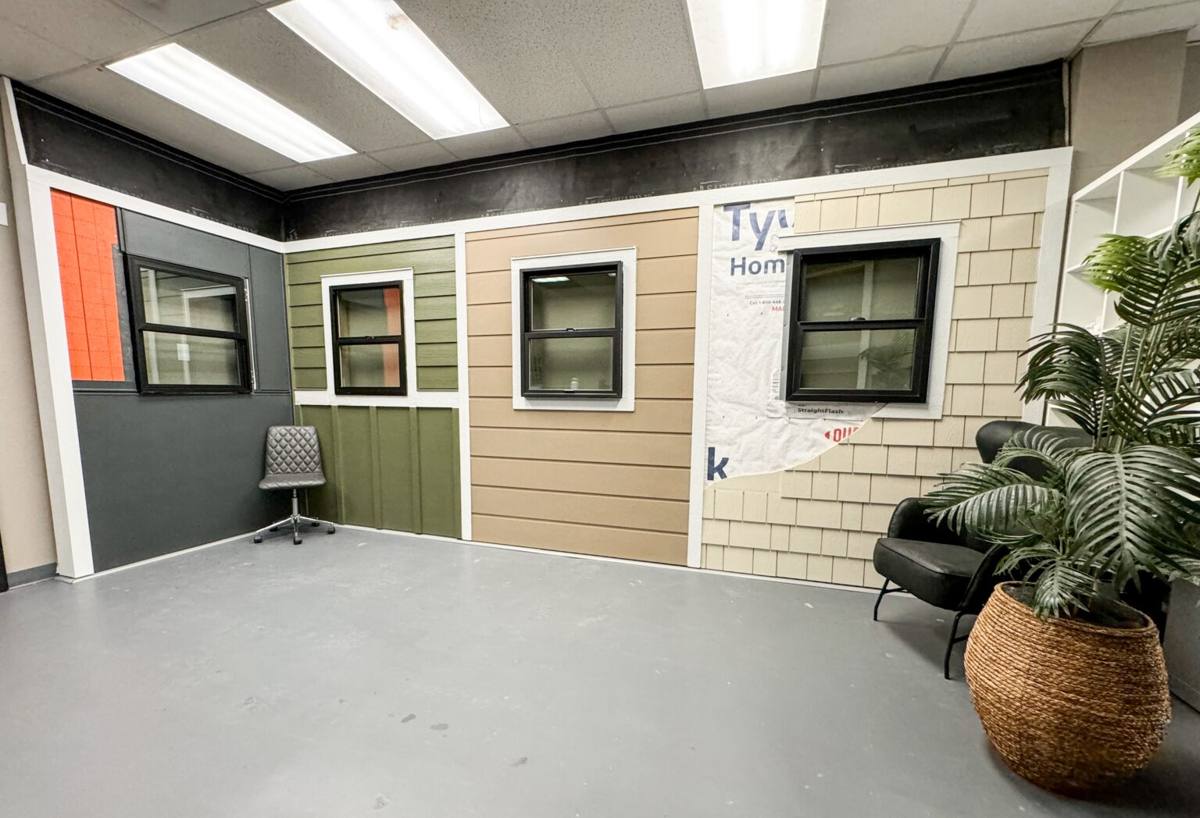
What Salt Air, Rain, and Moss Season Do to Windows
Salt Air and Metal Components
Proximity to the bay means airborne salt settles on everything, including window hardware. Over years, untreated or lower-grade fasteners, hinges, and cranks can corrode faster than they would further inland. This is one reason hardware quality matters more here than the finish color or grille pattern — it's the part that fails first and is hardest to fix after the fact.
Driving Rain and Wind-Driven Water
South Hill's elevation and orientation mean storms often hit at an angle rather than falling straight down. Wind-driven rain finds weak points that a calmer climate would never expose: a poorly sealed nailing flange, a gap in flashing, a sloppy bead of sealant. A window that would perform fine in a sheltered valley lot can leak within a season or two on an exposed South Hill wall if it isn't installed with that wind-driven exposure in mind.
Moss and Prolonged Dampness
The long moss season across Bellingham and Whatcom County isn't just a roof and siding issue. Moss and organic buildup on sills, trim, and lower sashes hold moisture against wood and painted surfaces for extended periods. On older South Hill homes with original wood-frame windows, this is often what finally pushes a homeowner from "repair" to "replace" — the wood has been damp too often, for too long.
Signs a South Hill Home Needs Window Replacement
- Visible wood rot or soft spots at the sill, especially on north- and west-facing windows
- Persistent condensation between panes, which usually means a failed seal on an old dual-pane unit
- Drafts or cold spots near the frame even with the window fully latched
- Difficulty opening, closing, or locking — often corrosion or swelling, not just age
- Visible daylight or gaps around the frame from outside
- Moss or dark staining building up on the sill or lower trim year after year
- Rising heating bills without any other clear cause
Any one of these on its own might just need a repair or a resealing. Several at once, especially on an older home, usually points to windows that have reached the end of their useful life for this climate.
What a Correct Installation Actually Involves
Window replacement done right is mostly invisible work — flashing, sealing, and fastening details that nobody sees once the trim goes back on, but that determine whether the window performs for twenty years or leaks in three. On an exposed hillside home, we treat these steps as non-negotiable:
- Remove the old window carefully and inspect the rough opening for hidden rot or water damage before anything new goes in. This is often where old leaks are finally discovered and fixed at the source, not just covered up.
- Repair or rebuild the opening if there's damaged framing or sheathing — installing a new window into a compromised opening just resets the clock on the same problem.
- Install house wrap and flashing in the correct shingle-lap order so water is directed out and down, never trapped behind the new unit. On wind-exposed walls, this detail matters more than the window itself.
- Set the window level, plumb, and square, and shim it properly so it isn't relying on fasteners alone to hold its shape — a racked frame stresses seals and hardware over time.
- Seal and insulate the gap between the frame and rough opening with the right materials — not overpacked, not left hollow.
- Finish exterior trim and caulking with attention to any joint that faces prevailing wind and rain.
- Test operation — open, close, lock, and check for smooth function before calling the job done.
Skipping or rushing any of these steps is usually what causes the leaks, drafts, and premature failures homeowners blame on the window itself, when the real issue was the installation.
Choosing Frame Materials for a Bay-Exposed Hillside
There's no single "best" window material for every home — it depends on the home's age, exposure, and how much upkeep an owner wants to take on. Here's how the common options hold up under South Hill's specific conditions:
| Frame Material | How It Handles Salt Air & Rain | Maintenance |
|---|---|---|
| Vinyl | Won't corrode or rot; performs well in salt-influenced air | Low — occasional cleaning |
| Fiberglass | Very stable in temperature swings and moisture; strong long-term option for exposed walls | Low |
| Wood | Classic look, but vulnerable to prolonged dampness and moss-season staining without diligent upkeep | High — regular painting/sealing |
| Aluminum-clad wood | Exterior protection with an interior wood look; cladding needs to be properly sealed at joints | Moderate |
For homes that value keeping an original wood-frame appearance — common on some of South Hill's older housing stock — we're honest about the trade-off: it's achievable, but it commits the homeowner to a maintenance schedule the climate here doesn't forgive if it slips. We'll walk through the realistic upkeep before you decide, not after.
Our Process for South Hill Homeowners
1. On-Site Assessment
We look at the actual windows and openings in question — condition, exposure, framing — not a generic estimate based on square footage. Exposure on a hillside wall facing the bay is treated differently than a sheltered side yard.
2. Straightforward Options and Pricing
We explain what we're seeing, what's driving the recommendation, and what the realistic options are, including lower-cost approaches when full replacement isn't actually necessary yet.
3. Careful Removal and Opening Inspection
Old windows come out without damaging surrounding siding or trim, and we check the opening before installing anything new.
4. Installation to the Standard Above
Every step from flashing to final trim follows the same process regardless of which window line you choose.
5. Walkthrough and Cleanup
We test each window with you, explain any care specific to the material you chose, and leave the site clean.
Why Local South Hill Experience Matters
A crew that only occasionally works this part of Bellingham will treat South Hill like any other job site. A crew that works it regularly knows which walls take the worst of the wind off the bay, which older homes tend to have hidden rot behind original trim, and how aggressive moss growth gets under the tree cover on shaded lots. That familiarity shows up in fewer surprises during the job and fewer callbacks after it — because the install already accounts for conditions a generic approach would miss.
It also means we're not guessing at what's normal for this neighborhood versus what's a real problem. A homeowner who's never had windows replaced doesn't always know whether staining on a sill is cosmetic or a sign of deeper rot; a crew that's seen it across dozens of South Hill homes usually can tell at a glance.
Cost Factors to Expect
Every home is different, so we don't quote firm numbers without seeing the job, but these are the main factors that move the price:
| Factor | Why It Affects Cost |
|---|---|
| Frame material chosen | Vinyl is typically the most affordable; fiberglass and wood-clad options cost more upfront |
| Number and size of windows | Larger openings and full-house replacements have per-unit efficiencies but higher total cost |
| Condition of the rough opening | Hidden rot or framing damage found during removal adds repair time before installation can proceed |
| Wall exposure | Wind- and rain-exposed walls may call for additional flashing detail and time |
| Trim and finish work | Matching existing exterior trim, especially on older homes, can add labor |
Simple Maintenance Checklist for South Hill Windows
- Rinse sills and lower sashes periodically to prevent moss and organic buildup during the wet season
- Check exterior caulking each fall before the heaviest rains arrive
- Wipe down hardware occasionally to reduce salt-air buildup on hinges and locks
- Watch for soft spots or discoloration at sills, especially on wood-frame windows
- Keep gutters and downspouts clear so overflow doesn't run down onto window trim
- Address small drafts or sticking early — they're cheaper to fix than a fully failed window
If your South Hill home is showing any of the signs above, or you'd simply like an honest read on whether your windows have years left in them, we're happy to take a look. Reach out for a free, no-pressure estimate using the form below.