 Bellingham Exterior
 Board & Batten in Sunnyland: A Look That Fits the Neighborhood
Board and batten has become one of the most requested siding styles among homeowners in Sunnyland and the surrounding parts of Bellingham. The vertical lines read as clean and a little more modern than traditional lap siding, and it pairs well with the mix of older bungalows, mid-century homes, and newer infill construction found throughout this part of the city. But board and batten is also a style choice that lives or dies on installation quality. The vertical seams, the batten strips, and the wider flat panel underneath all create more opportunities for water to find a way in if the job isn't done right. In a climate like Whatcom County's, that's not a small detail — it's the whole ballgame.
This page focuses specifically on what board and batten siding needs to succeed in Sunnyland: the climate pressures unique to this area, what a correct installation actually involves, and why we install this style exclusively in James Hardie fiber cement rather than the wood or vinyl versions homeowners sometimes see elsewhere.
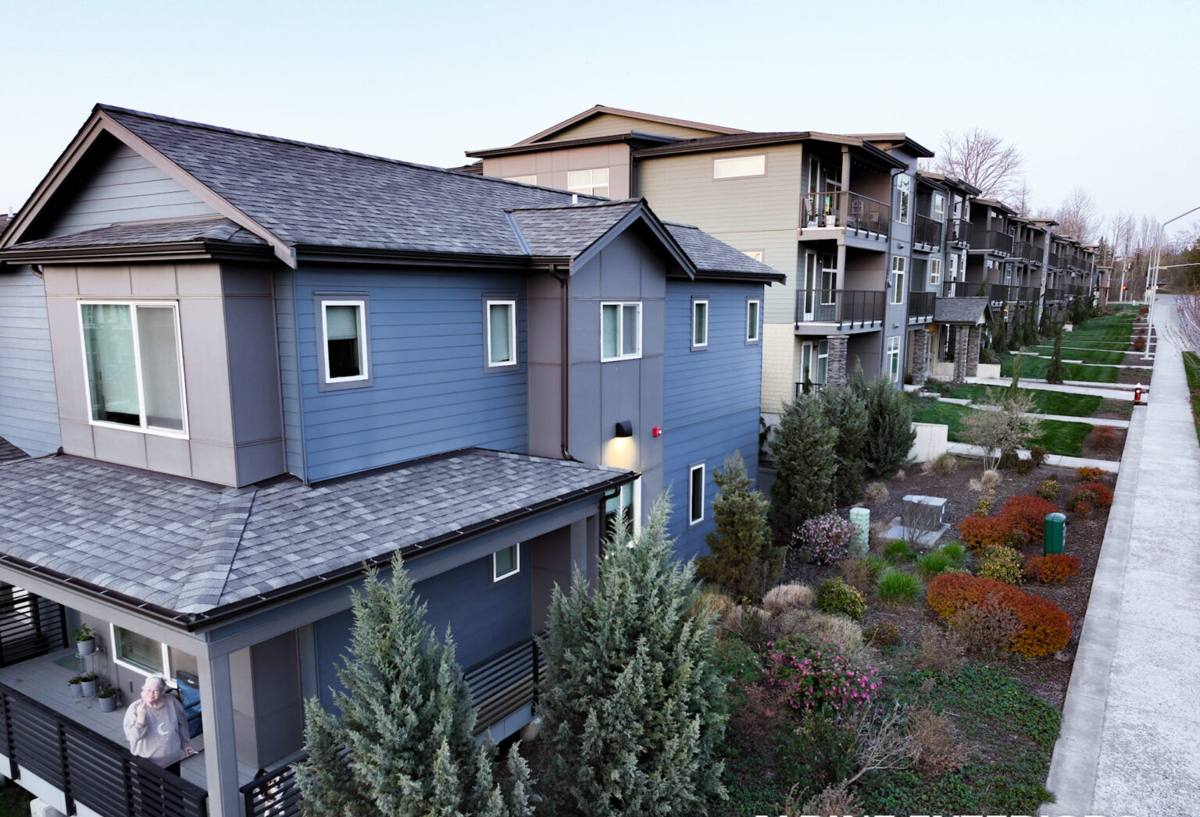
What Bellingham's Climate Does to Vertical Siding
Sunnyland sits within a marine climate zone shaped by Bellingham Bay and the broader Salish Sea. That means homes here deal with a combination of stresses that inland siding jobs never have to plan for:
- Salt-influenced air that accelerates corrosion on unprotected fasteners, trim, and lower-quality cladding materials.
- Driving rain that doesn't just fall straight down — wind off the water pushes moisture sideways into seams, laps, and vertical joints.
- A long moss and algae season that runs for most of the wet months, feeding on any surface that stays damp and shaded, which is common on north- and west-facing walls in this area.
- Repeated wet-dry cycling across fall through spring, which is what actually breaks down siding over time — not one big storm, but hundreds of freeze-thaw-style expansion cycles in the material itself.
Board and batten siding is more exposed to these pressures than horizontal lap siding because the vertical battens create a series of narrow channels running straight down the wall. Water that gets behind a batten has a direct path downward, and if the drainage plane behind the siding isn't built correctly, that water has nowhere to go but into the wall assembly.
The James Hardie Board & Batten System
We install board and batten using James Hardie's vertical panel siding system, engineered for the Pacific Northwest under Hardie's HZ5 climate designation. This isn't the same product line used in dry, hot climates — HZ5 is formulated and tested for regions with sustained moisture exposure, which is exactly the environment Sunnyland sits in.
A few things make the Hardie system different from wood or vinyl board and batten:
- Fiber cement composition — the panels don't absorb water the way wood does, and they don't expand and contract with temperature the way vinyl does, which matters enormously on a style with this many seams.
- ColorPlus factory finish — the color is baked on at the factory under controlled conditions, rather than field-painted, which gives more even coverage and better long-term color retention against Bellingham's UV and moisture cycles.
- Non-combustible core — fiber cement doesn't feed a fire the way wood board and batten can, which is an increasingly relevant consideration for insurance and building code purposes.
- Manufacturer-backed warranty — a transferable warranty on both the substrate and the finish, which follows the house rather than the original owner.
We install this system exclusively — we don't offer wood, vinyl, or engineered wood board and batten. That's a deliberate standard, not a sales default, and it's rooted in what we've seen hold up on homes in this specific climate versus what needs constant upkeep or fails early.
What a Correct Board & Batten Installation Involves
Board and batten is unforgiving of shortcuts. The style itself concentrates risk at the seams, so the installation details matter more here than on almost any other siding profile.
Rainscreen and Drainage
Behind every board and batten job we install, there's a drainage gap — typically furring strips or a purpose-built rainscreen product — that creates a ventilated space between the siding and the water-resistive barrier on the wall sheathing. This gap lets any moisture that does get past the siding drain downward and dry out, instead of sitting against the sheathing. On a style with vertical channels funneling water down the wall, this drainage plane is not optional.
Fastening and Flashing
Battens have to be fastened into solid framing at the correct spacing, with corrosion-resistant fasteners suited to a marine-influenced climate. Every horizontal transition — window heads, door heads, roof-to-wall intersections — needs proper flashing integrated with the water-resistive barrier, not just caulked over. Flashing is what actually keeps water out; caulk is a secondary line of defense, not the primary one.
Caulking and Paint Lines
Because ColorPlus panels arrive factory-finished, touch-up and joint caulking has to be done with matched, paintable, high-quality sealant at the seams — done sparingly and correctly, not as a way to cover up gaps in the underlying flashing work.
Board & Batten Options: How They Compare
Homeowners researching this style often come across wood, vinyl, and engineered wood versions in addition to fiber cement. Here's how they generally compare for a coastal Whatcom County home:
| Factor | James Hardie Fiber Cement | Vinyl | Real Wood |
|---|---|---|---|
| Moisture behavior | Does not absorb or swell; engineered for wet climates | Doesn't absorb water but can trap it behind panels if installed poorly | Absorbs moisture; prone to rot without diligent upkeep |
| Moss/algae resistance | Factory finish resists staining; cleans easily | Can stain and hold algae in seams | Very susceptible in shaded, damp areas |
| Fire resistance | Non-combustible core | Melts/deforms under heat | Combustible |
| Maintenance | Occasional wash; repaint on a long cycle if ever needed | Low, but seams degrade with UV over years | Regular repainting/staining, ongoing rot checks |
| Typical lifespan (this climate) | 30+ years with correct install | 15–25 years, sooner if seams fail | 10–20 years without diligent maintenance |
| Warranty structure | Transferable manufacturer warranty on substrate and finish | Varies widely, often prorated | Typically none beyond installer workmanship |
Vinyl board and batten can look reasonable from a distance, but the expansion and contraction that vinyl undergoes seasonally is a poor match for a profile built around tight vertical seams. Real wood board and batten can look beautiful when new, but in a climate with this much sustained moisture and moss pressure, it requires a maintenance commitment most homeowners underestimate at the time of installation.
Mistakes We See on Vertical Siding Jobs
When we're called out to look at failing board and batten on homes in this area, the problems usually trace back to one of a few recurring issues:
- No rainscreen gap — battens fastened directly against the water-resistive barrier with no drainage path.
- Flashing skipped or undersized above windows and doors, with caulk used as the only water management.
- Battens fastened into sheathing rather than framing, leading to loose battens and gaps over time.
- Inconsistent batten spacing that looks fine on install day but telegraphs unevenly as the wall ages.
- Bottom edges left without proper clearance or drip flashing above grade, decks, or patios — a common moss and rot starting point.
Our Process for Sunnyland Homes
We approach every board and batten job in Sunnyland the same methodical way:
- Site assessment — we look at wall orientation, shade patterns, roof runoff, and existing moisture damage before ever quoting the job.
- Sheathing and barrier check — any compromised sheathing or water-resistive barrier gets addressed before new siding goes up, not covered over.
- Rainscreen installation — furring or a dedicated drainage product goes in first, sized correctly for the wall assembly.
- Flashing at every transition — windows, doors, roof lines, and the base of the wall all get integrated flashing before panels go up.
- Panel and batten installation — correct fastener spacing into framing, consistent batten layout, and factory-finished ColorPlus panels.
- Final detailing — matched caulking at seams, cleanup, and a walkthrough so you understand what was done and why.
Maintenance Checklist for Board & Batten Owners
Even a correctly installed system benefits from a little seasonal attention in this climate:
- Rinse off accumulated grime and early moss growth once or twice a year, especially on shaded walls.
- Keep gutters clear so roof runoff isn't sheeting down onto siding below.
- Trim back vegetation and shrubs that trap moisture against the lower courses.
- Walk the exterior after major wind-driven storms and check for loose battens, gaps at trim, or cracked caulk lines.
- Address any caulk failure at seams promptly — it's a small fix if caught early, a bigger one if left through another wet season.
Why a Crew That Already Works Sunnyland Matters
Board and batten installation quality depends on details that generic, one-size-fits-all crews often miss — the right rainscreen approach for this wall orientation, flashing sized for actual driving-rain exposure, fastener choices that hold up against salt-influenced air. A crew that regularly works in Bellingham and Whatcom County has already made the calls on hundreds of similar walls, knows which orientations in this area take the worst weathering, and isn't guessing at how the local building department wants transitions detailed. That local pattern recognition is what separates board and batten that looks good on install day from board and batten that still looks good in year fifteen.
If you're considering board and batten siding for your Sunnyland home, we're happy to take a look and talk through what your specific walls need. Reach out for a free, no-pressure estimate — there's a short form below to get started.