 Bellingham Exterior
 Composite Decking Built for York's Weather, Not Against It
The York neighborhood sits close enough to Bellingham Bay that salt-tinged air is just part of daily life, and like the rest of Whatcom County, it gets a long stretch of the year where the ground barely dries out. That combination is hard on outdoor structures in general, but it's especially hard on decks that weren't built with drainage and airflow in mind. Composite decking can handle this climate well when it's installed correctly. When it's not, it fails in different ways than wood does, but it still fails.
This page is about composite decking specifically for homes in and around York — what the climate demands, what a correct installation looks like, and how we approach these projects so they actually hold up.
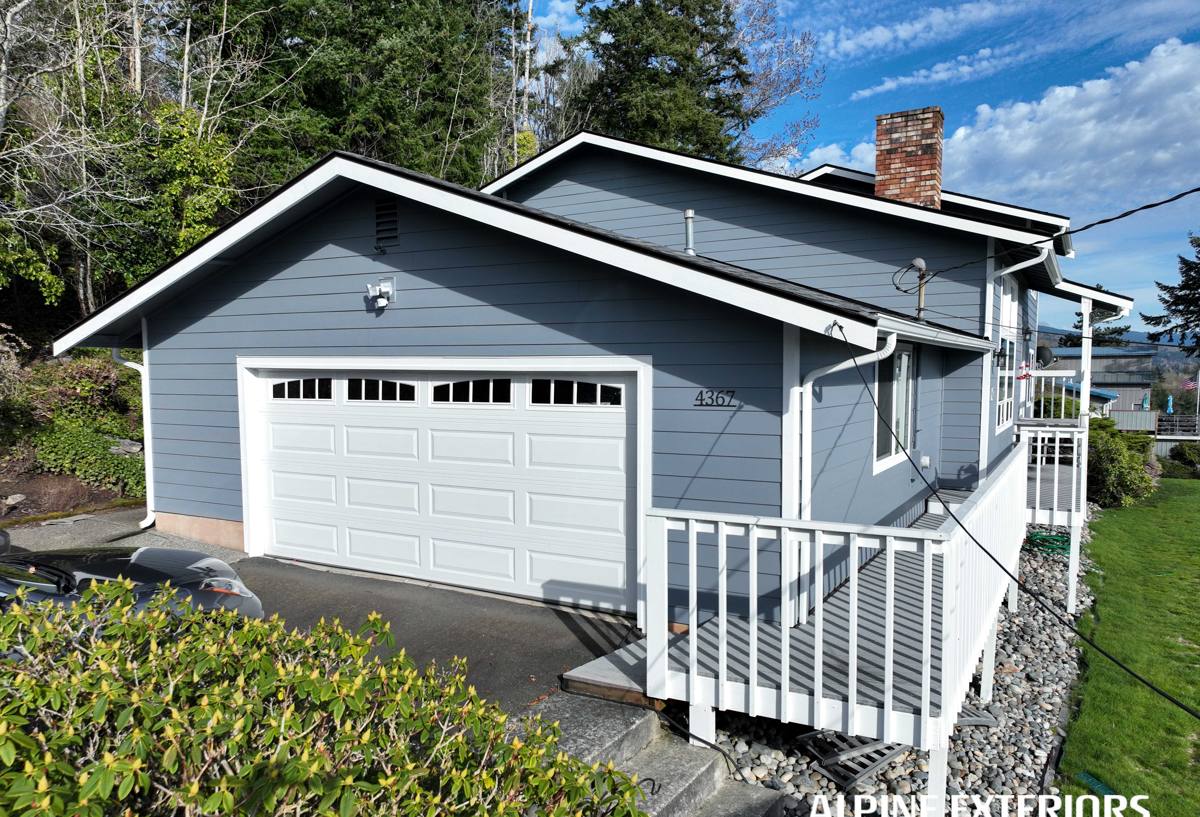
Why the Local Climate Changes the Job
Moisture That Doesn't Let Up
Bellingham's rainy season isn't just about volume — it's about duration. Wood or composite, any deck here spends months at a time with damp air sitting under and around it. Composite boards themselves don't rot, but the framing underneath them, the fasteners, and the ledger connection to the house absolutely can if water isn't given a way out. A lot of the composite deck problems we get called out to inspect aren't about the decking material at all — they're about a substructure that was built like it was going in somewhere dry.
Salt Air and Coastal Exposure
Proximity to the bay means airborne salt settles on everything outdoors over time, including fasteners, flashing, and railing hardware. Standard steel screws and brackets corrode faster here than they would inland. It's a small detail that gets skipped often, and it's one of the first things we check on any York property before we start.
Moss and Algae Growth
Long damp seasons plus shaded yards — common in established neighborhoods with mature trees — create ideal conditions for moss and algae to take hold on horizontal surfaces. Composite decking resists rot, but it isn't immune to surface growth, especially in low-light areas or where boards are laid tight against a fence or foundation with poor air movement. Spacing and layout decisions made during installation directly affect how much of this you'll deal with later.
What a Correct Composite Deck Installation Actually Involves
Framing and Structural Prep
Composite boards are only as good as what's underneath them. We build or inspect the joist structure for proper spacing (composite typically needs tighter joist spacing than wood, especially on diagonal or picture-frame layouts), correct slope away from the house for drainage, and solid ledger attachment with proper flashing where the deck meets the structure. This is the step that gets rushed on cut-rate jobs, and it's the one that causes the most expensive problems later.
Joist Protection
Wrapping joists and beams in a protective tape barrier keeps standing water off the wood framing, which matters a lot in a climate where framing rarely gets a chance to fully dry between rain events. This is inexpensive at install time and genuinely difficult to add later.
Hidden Fasteners and Spacing
Most composite systems today use hidden fastener clips rather than face screws, which gives a cleaner look and eliminates a lot of the surface penetration points where water could otherwise sit. Board spacing has to account for composite's expansion and contraction with temperature — too tight and boards can buckle, too loose and you get an uneven look and debris collection.
Railing and Stair Integration
Railing posts need solid blocking below the deck surface, not just a bracket screwed into decking. On elevated decks, stair stringers and connections need the same corrosion-resistant hardware as the rest of the structure, given the salt exposure in this area.
Composite vs. Wood in a Coastal, Rainy Climate
Both materials can work here. The right choice depends on how much upkeep you want to do and how long you plan to stay in the home. Here's an honest breakdown:
| Factor | Composite Decking | Wood Decking |
|---|---|---|
| Upfront cost | Higher material cost | Lower material cost |
| Ongoing maintenance | Periodic washing, no staining/sealing | Annual or biannual staining/sealing needed |
| Rot risk in wet climate | Boards themselves won't rot | Rot risk if not maintained consistently |
| Moss/algae on surface | Can still grow in shaded, damp spots | Can still grow, often faster on untreated wood |
| Typical lifespan | 25-30+ years with good substructure | 15-20 years with regular maintenance |
| Repair approach | Individual board replacement | Individual board replacement |
Composite generally makes more sense for homeowners who want to spend their time using the deck rather than maintaining it. Wood can still be the right call for certain budgets or aesthetic preferences — we'll give you a straight answer on which fits your situation rather than pushing one material across the board.
Problems We Commonly Find on Existing Decks in This Area
When we're called out to inspect or repair a deck in York, the issues tend to repeat:
- Ledger boards attached without proper flashing, allowing water to track back into the house rim joist
- Joists with no protective wrap, showing early soft spots after years of damp exposure
- Standard steel hardware showing rust from salt air exposure, especially near railings and stair stringers
- Boards laid without adequate expansion gaps, leading to buckling or squeezed joints
- Poor slope or blocked drainage paths causing standing water to pool under the deck
- Moss buildup in shaded corners where boards were installed too tight for airflow
Most of these trace back to installation shortcuts rather than the decking material failing on its own. It's worth knowing this going in — a composite deck installed wrong will still give you headaches, and a wood deck installed right can outperform a poorly built composite one.
How We Approach a Composite Decking Project in York
1. On-Site Assessment
We look at the existing structure (if there is one), the site's drainage, sun/shade exposure, and how close you are to salt air influence. This shapes hardware and layout decisions before we quote anything.
2. Product and Layout Recommendation
We walk through composite options with you based on your budget, the deck's exposure, and how the layout affects long-term moisture and moss behavior — not just color and finish.
3. Structural Build or Repair
Framing, ledger flashing, joist protection, and drainage slope get addressed first, whether we're building new or replacing an existing deck surface.
4. Installation
Hidden fastener systems, correct board spacing for expansion, and corrosion-resistant hardware throughout, including railings and stairs.
5. Final Walkthrough
We go over basic care with you — what to expect in year one, how to clean it, and what to watch for in the shaded or low-airflow spots on your specific property.
Choosing the Right Composite Product for This Climate
Not all composite decking is built the same. Fully capped boards (with a protective shell on all four sides) handle constant moisture exposure better than boards capped only on the top and sides, since the cut ends and bottom face see less protection in an uncapped design. In a climate where boards are rarely bone dry, that difference matters more than it would in a drier region. We'll talk through the specific product lines available and what their warranty actually covers for moisture and staining, since warranty language varies quite a bit between manufacturers.
Maintaining a Composite Deck in Whatcom County
Composite is lower-maintenance than wood, not maintenance-free. A little seasonal attention keeps it looking good and prevents the surface growth that's common here:
- Sweep debris off regularly, especially in fall when leaves and needles accumulate in board grooves
- Wash the surface with soap and water (or a manufacturer-approved composite cleaner) a couple of times a year, more often in shaded areas prone to algae
- Check that gaps between boards and along the perimeter aren't clogged with debris, since that's what starves the deck of airflow
- Rinse off salt residue after storms if your property gets direct exposure from the bay
- Inspect railing and stair hardware annually for early signs of corrosion
- Confirm drainage paths under and around the deck stay clear, particularly after heavy rain events
Why Local Experience Actually Matters Here
A composite deck installed the same way you'd install one in Arizona or eastern Washington won't hold up the same way in York. The framing, flashing, hardware choices, and even board layout need to account for near-constant moisture, salt exposure, and shaded moss-prone spots that are just part of living this close to Bellingham Bay. A crew that works this specific area regularly makes those adjustments as a matter of habit, not as an afterthought — and that's the difference between a deck that needs attention every year and one that quietly does its job for decades.
If you're considering a new composite deck or need an honest look at an existing one, we're happy to come take a look. Reach out for a free, no-pressure estimate — no obligation, just a straight assessment of what your property needs.