 Bellingham Exterior
 Siding in Columbia Has to Work Harder Than It Does Most Places
Columbia is one of the older, established neighborhoods on Bellingham's east side, close enough to the bay to catch salt-laden air off the water and exposed enough to take the full brunt of the wind and rain that roll in off the Salish Sea. Homes here were built across several decades, which means we see a real mix of siding conditions on any given block — some houses on their second or third re-side, others still wearing original cedar or an aging vinyl retrofit that's starting to show its age. Whatever the starting point, the climate math is the same: this is a wet, salt-touched, moss-friendly corner of Whatcom County, and siding that isn't engineered for it fails faster than homeowners expect.
We only install James Hardie fiber cement siding. Not because it's the easiest product to sell, but because after years of doing exterior work in Bellingham neighborhoods like Columbia, it's the only product we're willing to put our name behind for this specific climate. Here's what that means for your home.
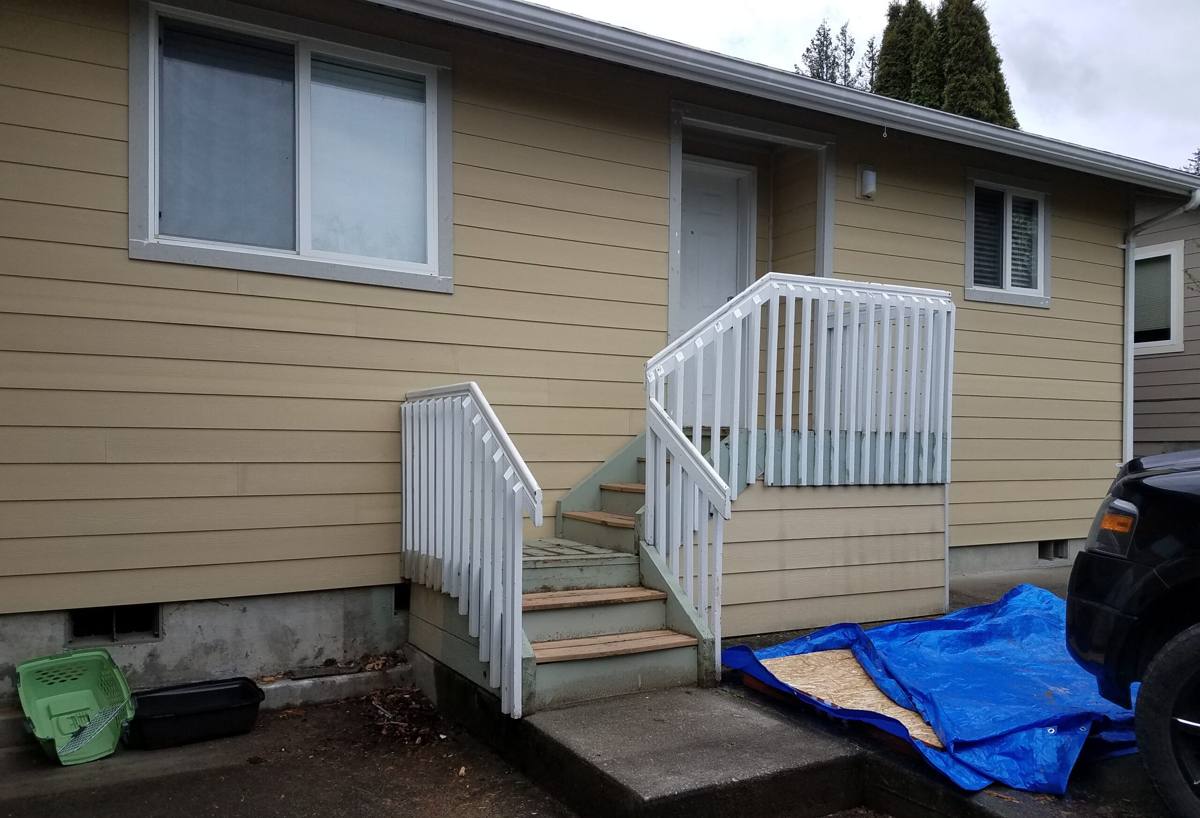
The Climate Columbia Siding Actually Has to Survive
Salt Air and Coastal Exposure
Bellingham Bay isn't far from Columbia, and salt-carrying air doesn't need to be blowing directly off the water to do damage — it settles into siding, fasteners, and trim over time. Salt air accelerates corrosion on metal components and speeds up the breakdown of finishes that weren't formulated to handle it. Wood siding and cheaper composite products absorb this exposure into their surface; fiber cement doesn't give salt air the same foothold.
Driving Rain and Wind-Driven Moisture
Whatcom County's rain rarely falls straight down. Wind off the water pushes it sideways, driving moisture up under laps, into seams, and behind trim that isn't detailed correctly. Siding systems that rely on tight seals and perfect caulk lines eventually let water in — and once moisture gets behind siding in this climate, it doesn't dry out quickly. That's when you get rot, mold, and sheathing damage that's invisible until it's expensive.
The Long Moss Season
Bellingham's moss season runs long — shaded, damp exterior walls in Columbia can stay green and slow-drying for much of the year, especially on north-facing walls and under mature trees. Moss and algae hold moisture against a wall's surface, which is hard on paint film, worse on wood, and a maintenance headache on porous or textured siding materials that give organic growth something to cling to.
Why We Only Install James Hardie in This Neighborhood
James Hardie fiber cement is made from cement, sand, and cellulose fiber — it doesn't rot, it doesn't feed moss and algae the way wood fiber does, and it holds up to sustained moisture exposure far better than wood-based composite sidings like LP SmartSide. It's also non-combustible, which matters more each year as wildfire smoke seasons stretch later into the Pacific Northwest calendar.
We're not going to tell you Hardie is maintenance-free — no exterior product is. But the maintenance it does need (periodic washing, caulk checks, repainting field-cut edges) is predictable and manageable, versus the moisture-driven repairs that catch homeowners off guard with wood, vinyl seam failures, or composite products that weren't built for sustained coastal rain exposure.
What Hardie Gets Right for Columbia Specifically
- ColorPlus factory-applied finish resists fading and doesn't need repainting on the same schedule as field-painted siding
- Fiber cement doesn't provide the organic material moss and algae need to establish and spread
- HZ5 formulation is engineered specifically for moisture and freeze-thaw cycling common to Pacific Northwest climates
- Non-combustible core adds a layer of fire resistance that wood and some composites can't offer
- Backed by a strong transferable manufacturer warranty when installed to Hardie's specifications
What a Correct Installation Actually Involves
Most siding failures we're called to diagnose in Columbia aren't product failures — they're installation failures. Fiber cement is unforgiving of shortcuts in a way that's easy to miss until years later. A correct job means getting the water management right before a single piece of siding goes up.
Prep and Water Management Come First
Before any Hardie board touches the wall, we're addressing the weather-resistive barrier, flashing at every window, door, and penetration, and proper drainage behind the siding plane. In a climate that drives rain sideways, a rainscreen gap or properly detailed drainage plane isn't optional — it's what keeps incidental moisture from turning into trapped moisture.
The HZ5 Product Line, Not a Generic Substitute
James Hardie makes region-specific formulations, and HZ5 is engineered for climates that see the freeze-thaw cycling and sustained moisture that Whatcom County gets. Using the correct zone product isn't a marketing detail — it affects how the board performs over its service life.
Fasteners, Clearances, and Flashing Details
Hardie's warranty and long-term performance depend on installation to spec: correct fastener type and spacing, proper clearance from grade, roof lines, and decks, and flashing that actually sheds water instead of trapping it. We follow Hardie's published installation instructions on every job — not because we have to, but because that's what makes the difference between siding that lasts thirty-plus years and siding that needs attention in year eight.
Choosing the Right Hardie Product for a Columbia Home
Hardie makes several product lines, and the right choice depends on your home's architecture, existing trim, and how much of a style change you're after. We walk through this with every Columbia homeowner rather than defaulting to one option.
| Product | Best For | What to Know |
|---|---|---|
| HardiePlank Lap Siding | Traditional and craftsman-style homes | The most common choice; available in several textures and exposures |
| HardiePanel Vertical Siding | Modern facades or accent sections | Clean vertical lines, often paired with lap siding for contrast |
| HardieShingle | Homes wanting a shingle-style look without cedar's maintenance | Mimics traditional shingle profiles with fiber cement durability |
| HardieTrim | Window, door, and corner detailing | Matches the siding system for consistent moisture protection at transitions |
Our Process, Start to Finish
Every Columbia project starts with an on-site assessment, not a phone estimate. We look at your existing siding's condition, the state of the sheathing underneath where accessible, drainage around the foundation, and any trouble spots like north-facing walls or areas under tree cover where moss has been an ongoing issue.
- On-site inspection and honest assessment of what your current siding and substrate actually need
- Written estimate detailing product selection, prep work, and timeline — no vague allowances
- Removal of old siding and inspection of sheathing for hidden moisture damage
- Correction of any water management issues found before new siding goes up
- Installation to James Hardie's published specifications, including proper fastening and flashing
- Final walkthrough so you know exactly what was done and how to maintain it
Signs Your Current Siding Is Already Struggling
If you're not sure whether it's time to look at re-siding, these are the signs we most often find on Columbia homes when we're called out for an assessment:
- Persistent green or black staining that returns shortly after washing
- Soft or spongy spots when you press on wood or composite siding
- Paint that's peeling or bubbling rather than just fading
- Visible gaps or warping at seams and corners
- Rising utility bills that could point to moisture-compromised insulation behind the siding
- Siding that stays visibly damp long after the rest of the house has dried
What Affects the Cost of a Columbia Siding Project
| Factor | Why It Matters |
|---|---|
| Extent of substrate repair needed | Rot or moisture damage found during tear-off adds scope before new siding can go up |
| Home size and architectural complexity | More corners, gables, and trim details mean more labor and material |
| Product selection | Plank, panel, and shingle profiles vary in material and installation cost |
| Access and site conditions | Mature landscaping, tight lot lines, or multi-story sections affect labor time |
| Existing water management | Homes without a proper drainage plane may need this addressed as part of the job |
We give honest, itemized estimates rather than a single round number, so you can see exactly what you're paying for and where the money is going.
Why It Matters That We Already Work in This Neighborhood
A crew that's worked other Columbia homes has already seen how this specific stretch of Bellingham weathers siding — which walls take the worst of the driving rain, which yards hold onto moss longest, where salt exposure shows up first. That local pattern recognition shows up in small decisions during a job: where to add extra flashing attention, which product texture sheds moisture best on a shaded elevation, how to sequence work around this area's wetter months. It's the difference between a crew installing siding correctly in general and a crew installing siding correctly for your specific block.
If your Columbia home's siding is showing its age, or you're planning ahead rather than waiting for a failure, we're happy to come take a look. The estimate is free, there's no pressure, and you'll get a straight answer about what your home actually needs.