 Bellingham Exterior
 Birchwood's Siding Has a Harder Job Than It Looks
Birchwood sits close enough to Bellingham Bay and the Salish Sea that homes here deal with a steady mix of salt-laden air, wind-driven rain off the water, and long stretches of gray, damp weather that keep exterior walls wet far longer than homes further inland. Add Whatcom County's mild, shaded microclimates and you get near-ideal conditions for moss, algae, and slow moisture intrusion to take hold on siding that isn't built to shed water fast and resist organic growth. None of this is dramatic on its own — it's cumulative. Siding that's marginal for the job doesn't usually fail in year one. It fails quietly, over five or ten years, as trapped moisture works behind panels and fasteners start to give.
This page is specifically about fiber cement siding for Birchwood properties — what the local conditions demand, what a correct installation actually involves, and why we install only James Hardie fiber cement rather than the wider range of siding products on the market.
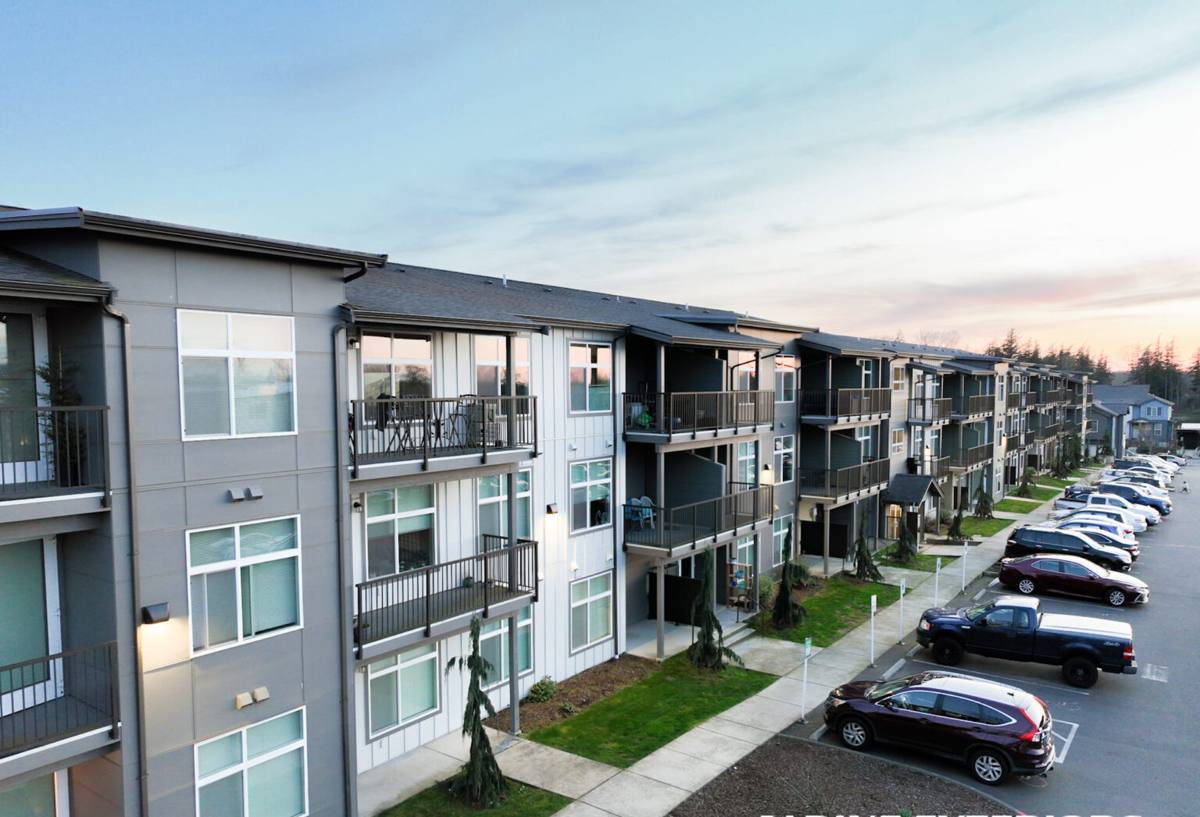
What Driving Rain and Moss Season Actually Do to Siding
Salt Air and Fastener Corrosion
Proximity to the bay means airborne salt settles on exterior surfaces year-round, not just during storms. Salt accelerates corrosion on unprotected or under-spec fasteners, staples, and metal trim. Once a fastener starts to corrode, it loses its grip strength, and a siding panel that's supposed to be locked tight starts to work loose with every freeze-thaw cycle and wind gust. This is one of the most common reasons older siding jobs in coastal Whatcom County neighborhoods develop gaps, popped nails, and buckling well before the siding material itself is worn out — the install method, not the product, was the weak link.
Moss, Shade, and Moisture Retention
Bellingham's tree cover and long overcast season keep many Birchwood lots shaded and damp for extended stretches, especially on north-facing walls. Moss and algae don't just sit on the surface — given enough time, they hold moisture against the siding, and that moisture finds any weak seam, unsealed joint, or gap in the water-resistive barrier behind it. Wood-based products are the most vulnerable here because they can absorb and swell with that trapped moisture. Products that resist moisture absorption and are installed with proper drainage behind them handle this environment far better over the long run.
Why We Install Only James Hardie Fiber Cement
We made a deliberate decision, company-wide, to install James Hardie fiber cement siding exclusively — not LP SmartSide, not vinyl, not Cemplank or Allura, not primed spruce or cedar. That's not a marketing position; it's a standard we hold because of what we've seen matter over a full installed lifespan, particularly in a climate like this one:
- Non-combustible core. Fiber cement doesn't burn, which matters in a region that sees wildfire smoke events and increasingly warns homeowners about defensible exterior materials.
- Doesn't absorb and swell like wood-based siding. Engineered wood and cedar products can take on moisture at cut edges and joints; fiber cement's cement-based composition is far more dimensionally stable in wet conditions.
- Factory-applied ColorPlus finish. The color is baked on in a controlled factory environment rather than field-painted, which gives more consistent coverage and holds up longer against sun and salt exposure than a job-site paint job.
- HZ5 and climate-engineered product lines. Hardie manufactures regional formulations engineered for specific climate zones, including wetter Pacific Northwest conditions, rather than a single one-size-fits-all formula.
- A warranty structure built around correct installation. Hardie's transferable warranty is meaningful because it's backed by a manufacturer with decades of fiber cement manufacturing behind it, paired with certified installation practices.
Other siding products are not without merit — vinyl is inexpensive and low-maintenance in mild climates, and engineered wood has a warmer look some homeowners prefer. But for the specific combination of salt exposure, sustained rain, and moss-friendly shade that Birchwood homes deal with, we've standardized on the one product system we're confident holds up decades out, not just at the walkthrough.
What a Correct Fiber Cement Installation Involves
Fiber cement siding is only as good as the install behind it. The material itself is durable, but the water management system underneath it is what actually keeps a Birchwood home dry through decades of coastal rain.
Drainage and Water Management
Correct installation starts with a drainable water-resistive barrier and, in most cases, a rainscreen gap that lets any moisture that does get behind the siding drain and dry out rather than sit against the sheathing. This is especially important on the shaded, slower-drying walls common on wooded Birchwood lots.
Fastening and Clearances
Hardie specifies exact fastener types, spacing, and penetration depth, along with minimum clearances from grade, roof lines, and decks. In a salt-air environment, using corrosion-resistant fasteners rated for the exposure isn't optional — it's the difference between siding that stays locked tight for 30+ years and siding that starts loosening in year eight.
Caulking and Trim Details
Every seam, joint, and penetration is a potential entry point for wind-driven rain. Correct trim work and the right sealant at butt joints, window and door surrounds, and inside/outside corners keeps water on the outside of the assembly where it belongs, rather than migrating behind the cladding.
Choosing the Right Hardie Product Line
Hardie makes several product profiles, and the right choice depends on the home's style, exposure, and the look the homeowner wants. Here's how the common options compare for a Birchwood-style install:
| Product | Typical Use | Notes for This Climate |
|---|---|---|
| HardiePlank lap siding | Most common full-home application, traditional and modern styles | Widest color range, proven long-term performance in wet coastal exposure |
| HardiePanel vertical siding | Modern facades, accent walls, gable ends | Fewer horizontal seams to maintain; works well as a contrast material |
| HardieShingle siding | Craftsman and cottage-style homes, accent gables | Textured look without the moisture absorption risk of cedar shingle |
| HardieTrim boards | Window/door surrounds, corners, fascia | Pairs with any of the above; resists the swelling that plagues wood trim in damp shade |
Our Process, Start to Finish
- On-site assessment. We walk the exterior, check current siding and sheathing condition, note shaded/high-moisture zones, and identify any existing moisture damage before quoting anything.
- Product and color selection. We help match a Hardie profile and ColorPlus finish to the home's style and the site's sun/shade exposure.
- Tear-off and sheathing check. Old siding comes off and we inspect the sheathing underneath — this is where hidden moisture damage from a prior install often surfaces, and it gets addressed before anything new goes up.
- Water-resistive barrier and drainage plane. A proper barrier and, where called for, a rainscreen gap go on before any siding.
- Installation to Hardie spec. Correct fastener type and spacing, proper clearances, and sealed seams and penetrations.
- Final walkthrough. We review the finished job with the homeowner and confirm trim, caulking, and touch-up work is complete.
Cost Factors for a Birchwood Siding Project
Every home is different, but the main variables that move the price on a fiber cement job are consistent:
| Factor | Why It Matters |
|---|---|
| Home size and wall complexity | More corners, gables, and dormers mean more cutting, trim, and labor time |
| Current siding removal | Tear-off and disposal of old material adds labor beyond a straightforward re-side |
| Sheathing repair | Moisture-damaged sheathing found during tear-off needs to be replaced before new siding goes on |
| Product line and profile | Panel, plank, and shingle profiles differ in material and labor cost |
| Trim and accent work | Custom trim details and multi-material accents add time and materials |
We provide itemized, honest estimates rather than vague ballpark numbers — you'll know what you're paying for before work starts.
What to Ask Before You Hire a Siding Crew in Birchwood
- Do they install to the manufacturer's written installation specifications, including fastener type and rainscreen/drainage details?
- Will they inspect and, if needed, repair sheathing before new siding goes on — not just cover over what's there?
- Are they familiar with corrosion-resistant fastener requirements for salt-air exposure?
- Can they explain why they chose the specific Hardie product line and color for your home's exposure?
- Do they carry proper licensing and insurance for exterior work in Washington State?
- Will the manufacturer's warranty be properly registered and transferable if you sell the home?
Why a Crew That Already Works Birchwood Matters
A crew that regularly works Birchwood and the surrounding Bellingham neighborhoods already understands which walls sit in near-constant shade, how far salt exposure reaches inland from the bay, and how long moss season actually runs in a given year. That local pattern recognition shows up in practical decisions — where a rainscreen gap earns its keep, which fastener spec to use, which walls need extra attention at trim joints. It's the difference between a generic install and one tuned to how this specific stretch of Whatcom County weather behaves.
If your Birchwood home's siding is showing moss buildup, cracked or swelling boards, or you're planning ahead for a replacement, we're happy to take a look and walk you through what a correct James Hardie installation would involve for your home specifically. Reach out for a free, no-pressure estimate — the form below gets you started.