 Bellingham Exterior
 Roof Repair Built Around How Happy Valley Weather Actually Behaves
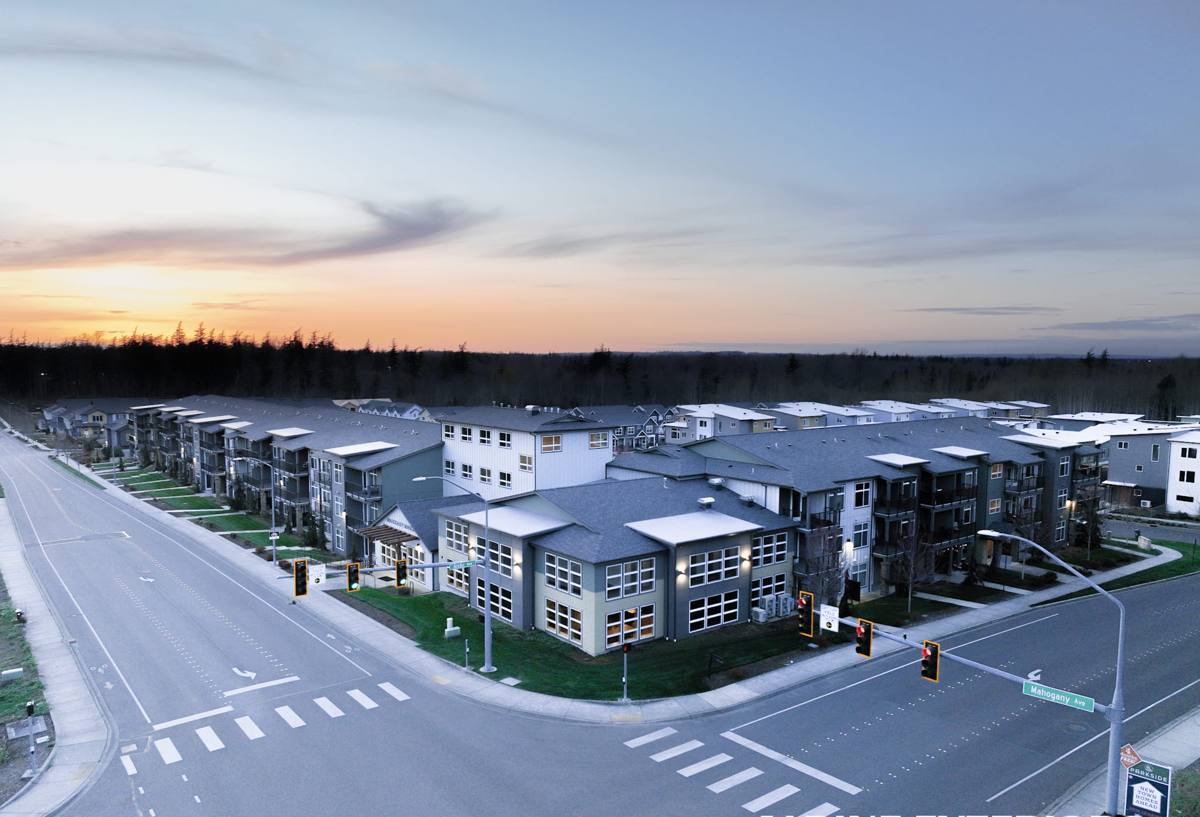
Happy Valley is one of Bellingham's older, established residential neighborhoods, with a real mix of home ages and roof types on any given block. What ties them together is the climate they all sit under. Whatcom County's marine air brings a steady dose of salt-laden moisture off Bellingham Bay, long stretches of driving rain through fall and winter, and enough shade and dampness in places to give moss a full growing season most of the year. None of that is dramatic on its own, but stacked together over years, it's exactly the combination that wears roofs down from the inside out rather than all at once.
That's why roof repair here isn't just "patch the leak and move on." A repair that doesn't account for how water moves under wind-driven rain, or how moss holds moisture against shingles and wood, tends to fail again within a season or two. We approach every Happy Valley repair with that context built in from the first inspection.
What Salt Air, Driving Rain, and Moss Actually Do to a Roof
Each of these factors causes damage differently, and understanding the difference matters when we're diagnosing a problem:
- Salt air accelerates corrosion on exposed metal — flashing, nail heads, gutter hardware, and any roof vents or fasteners that aren't fully protected. Corroded flashing is one of the most common sources of hidden leaks we find.
- Driving rain doesn't just fall straight down — wind pushes it sideways and up under laps, ridge caps, and flashing edges that would stay dry in a calmer climate. Repairs that only address the visible gap and ignore wind-driven entry points often leak again in the next storm.
- Moss holds water against the roof surface far longer than the surface would otherwise stay wet. On asphalt shingles it lifts edges and strips granules. On wood shakes it accelerates rot. Left unchecked, moss growth is one of the biggest drivers of premature roof failure in shaded, damp yards.
Most of the repair calls we get in this neighborhood trace back to one or more of these three causes, often in combination — a flashing seam corroded just enough to let wind-driven rain in, with moss holding moisture against the spot and masking the leak until it shows up as a stain inside.
Signs a Happy Valley Roof Needs Repair, Not Just Watching
Some problems are obvious. Others show up as small clues that are easy to write off until they become a bigger repair. Worth checking for:
- Interior ceiling stains, especially near exterior walls, chimneys, or skylights
- Granules collecting in gutters or at downspout outlets — a sign asphalt shingles are wearing thin
- Visible moss or dark streaking, particularly on north-facing or shaded slopes
- Curling, cracked, or missing shingles after a windstorm
- Soft or spongy spots underfoot when walking a low-slope section
- Daylight visible through the attic roof deck
- Rust staining or visible corrosion around flashing, vents, or metal roof panels
- Gutters or downspouts pulling away from the fascia, which changes how water drains off the roof edge
Any one of these is worth a look. Several at once usually means the roof has been dealing with moisture longer than it's been showing on the surface.
What a Correct Repair Actually Involves
A roof repair done right isn't just sealing the spot where water is currently getting in — that's treating the symptom. A correct repair identifies why water got past the roofing system in the first place and fixes that, not just the visible entry point.
Diagnosis Before Anything Gets Touched
We start by tracing the leak from the interior stain or damage back to its actual source on the roof, which is often several feet away from where the water shows up inside. Water travels along rafters, sheathing, and underlayment before it drips — chasing the visible stain straight up is a common mistake that leads to fixing the wrong spot.
Addressing the Underlying Cause
Depending on what we find, that might mean replacing corroded flashing around a chimney or vent, re-securing lifted shingles, rebuilding a compromised valley, replacing damaged underlayment, or addressing a ventilation issue that's causing condensation from the inside. Sealant alone rarely solves a problem that started with a physical gap or worn material — it's a short-term patch, not a repair.
Matching Materials and Technique
Repairs should tie into the existing roofing system correctly — matching shingle type and exposure, using compatible flashing metals to avoid galvanic corrosion, and following proper lap and fastening patterns so the repaired section performs the same as the rest of the roof under wind-driven rain.
Repair Quality Checklist
- Source of the leak identified and confirmed, not just assumed
- Underlying cause addressed — not just the visible symptom sealed over
- Flashing and fasteners matched to avoid corrosion between dissimilar metals
- Repair blends into existing shingle or panel lines and lap patterns
- Attic or roof deck checked for hidden moisture damage before closing up
- Debris and moss cleared from the surrounding area so the fix isn't undermined immediately
- Area re-inspected after the next significant rain, when practical
Roofing Materials Common in This Neighborhood — Repair Considerations
Happy Valley's mix of home ages means we see several roofing types, and each behaves differently when it comes to repair.
| Material | Typical Repair Approach | What to Watch For Locally |
|---|---|---|
| Asphalt composition shingle | Replace damaged shingles in kind, reseal or replace flashing, re-secure lifted edges | Granule loss and wind lift are the most common issues; moss on shaded slopes shortens lifespan |
| Wood shake or shingle | Replace individual rotted or split shakes, treat or replace affected sheathing | Moss and moisture retention are the biggest risk; needs more frequent moss management than other materials |
| Metal panel or standing seam | Reseal or replace fasteners, address seam or flashing corrosion | Salt air accelerates corrosion at cut edges and fastener points if coatings are compromised |
| Low-slope or flat sections | Patch or reinforce membrane, correct ponding or drainage issues | Driving rain and ponding water expose weak seams quickly; drainage slope matters as much as the membrane itself |
We don't push a particular material as the "right" answer for every repair — the honest approach is matching the fix to what's already on the roof and being upfront about the maintenance each material demands going forward, especially given how much moss pressure this area sees.
How We Handle a Repair, Start to Finish
- Inspection. We look at the roof from the ground and, when safe and appropriate, on the surface — checking flashing, valleys, penetrations, and the general condition of the roofing material, not just the spot you called about.
- Attic and interior check. Where accessible, we check the underside of the roof deck for staining, rot, or daylight, which tells us how far moisture has actually traveled.
- Clear explanation. Before any work starts, we explain what's actually wrong, why it happened, and what the repair involves — in plain terms, not a sales pitch for a full replacement you don't need.
- The repair itself. We fix the identified cause, not just the symptom, using materials that match or are compatible with the existing roof.
- Cleanup and check. We clear debris and moss from the work area and surrounding roof surface so the repair isn't sitting under material that will just cause the same problem again.
Moss and Debris: The Part of Roof Care Homeowners Underestimate
In a climate like this, moss isn't a one-time cleanup — it's an ongoing maintenance item, similar to gutter cleaning. A roof that's been treated and cleared of moss can start showing new growth within a season if conditions favor it, particularly on shaded north-facing slopes or under overhanging trees. Regular moss removal and light debris clearing between major services is one of the most cost-effective things a homeowner can do to extend the life of a repair and delay the need for a bigger one. We're upfront that this is maintenance, not a permanent fix — no treatment stops moss from ever coming back in a shaded, damp yard.
Repair or Replace? Honest Factors to Weigh
Not every roof problem calls for a full replacement, and not every repair is worth doing instead of planning for replacement. A few honest factors that go into that call:
| Factor | Leans Toward Repair | Leans Toward Replacement |
|---|---|---|
| Age of roofing material | Well within expected lifespan | At or past the material's typical service life |
| Extent of damage | Isolated to one section or penetration | Widespread granule loss, curling, or rot across multiple areas |
| Underlying deck condition | Sheathing solid, no rot found | Soft or rotted sheathing found in multiple spots |
| Repair history | First or infrequent repair | Same areas repaired repeatedly with recurring leaks |
When a repair genuinely makes sense, we do the repair. We're not in the business of upselling a replacement a roof doesn't need yet — but we'll also tell you directly if a repair is a short-term fix on a roof that's nearing the end of its practical life, so you can plan on your own timeline instead of getting surprised later.
Why It Matters That We Already Work in Happy Valley
A crew that's worked roofs across this part of Bellingham has already seen how the local combination of salt air, wind-driven rain, and moss plays out on different roof ages and materials in this specific setting. That means fewer surprises during diagnosis, a better sense of which repair approaches actually hold up here versus in a drier climate, and knowing which failure points — flashing corrosion, valley buildup, shaded-slope moss — tend to show up first in this neighborhood. It also means we're not learning Whatcom County weather patterns on your roof for the first time.
If you're dealing with a leak, storm damage, or a roof that's overdue for a real look, we're glad to come take a look and give you a straightforward, no-pressure estimate — no obligation, just an honest read on what your roof actually needs. The form below is the easiest way to get started.