 Bellingham Exterior
 Custom Windows for York-Area Homes
York is one of Bellingham's older, closer-in neighborhoods, and that means a lot of its housing stock predates modern window manufacturing standards. Openings were framed by hand, walls settled over decades, and additions or remodels along the way often left window rough openings that don't match anything on a big-box shelf. When a window in a York home needs replacing, "custom" usually isn't a marketing word — it's the only way to get a window that actually fits, seals, and performs.
We install windows across Whatcom County, and York jobs come with their own set of considerations: proximity to Bellingham Bay, mature tree cover on many lots, and homes old enough that the original openings were never perfectly square to begin with. Getting this right takes accurate field measurement, the right frame material for the exposure, and installation detailing that respects both the building and the budget.
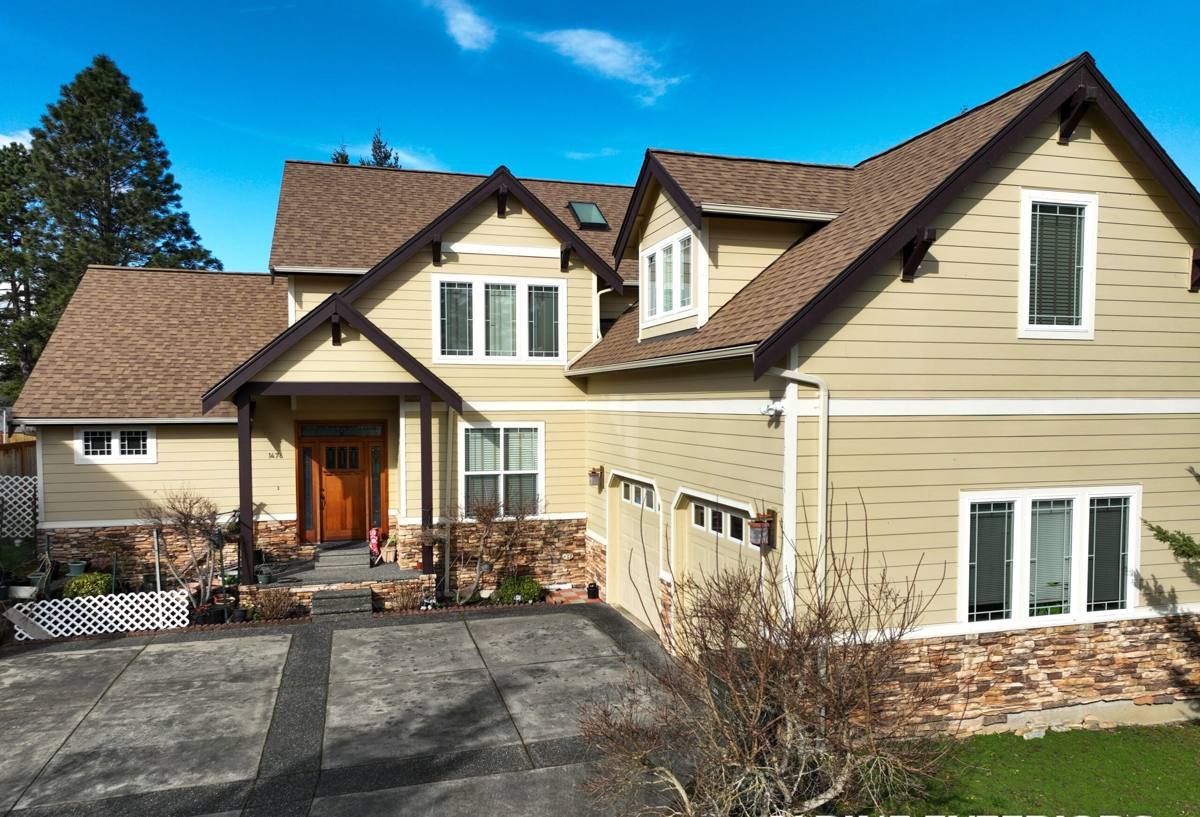
What Bellingham's Climate Does to Windows Over Time
Whatcom County weather is hard on window assemblies in ways that don't show up right away. In York's case, three factors matter most:
Salt Air and Corrosion
Homes closer to Bellingham Bay are exposed to salt-laden air more than inland properties realize. Over years, that air accelerates corrosion on unprotected fasteners, aluminum components, and cheaper hardware finishes. It doesn't ruin a window overnight, but it shortens the life of anything not rated or finished for coastal exposure.
Driving Rain
Bellingham's rain rarely falls straight down. Wind off the water pushes it sideways into window walls, which puts real pressure on flashing details, sill pans, and the quality of the seal around the frame. A window that would hold up fine in a drier, calmer climate can leak here if it's installed without wind-driven-rain detailing.
Moss and Sustained Moisture
Whatcom County's long wet season keeps shaded surfaces damp for months at a stretch. On window sills, trim, and anywhere water can pool or linger, that constant dampness feeds moss and mildew growth and slowly breaks down materials that aren't built to shed water fast. It's a slow problem, which is exactly why it gets missed until wood is soft or a sill is rotting.
None of this means windows in York are doomed — it means the material choice and the installation detailing need to match the actual exposure, not a generic spec sheet.
Signs a York Home Needs Custom Windows, Not Stock Replacements
- Openings are visibly out of square, or trim has been shimmed unevenly over the years to compensate
- Existing windows are an odd size that doesn't match current standard dimensions
- Condensation collects between panes or fogs consistently, signaling failed seals
- Sills or the wood framing around the window feel soft, spongy, or show staining
- Moss or dark streaking has established itself on the sill or lower sash and keeps coming back
- Drafts are noticeable at the frame even with the window fully latched
- You're renovating and want to change window style, size, or configuration rather than replace like-for-like
If more than one of these applies, it's usually a sign the window opening itself needs attention, not just new glass in the same frame.
What "Custom" Actually Means on the Job
Custom windows aren't a different product line so much as a different process. It starts with field measurement of the actual opening — width, height, and diagonal checks for square — rather than assuming it matches a catalog size. From there, the window is ordered or built to that specific opening, or the opening itself is adjusted to accept a standard size cleanly, whichever makes more sense structurally and financially.
This matters most in older York homes where:
- The house has settled unevenly, so openings that were once square no longer are
- Trim, siding, or interior finish work needs to be preserved and worked around rather than torn out
- A bay, bow, or other non-rectangular window shape is involved
- Historic or period-appropriate exterior appearance matters and off-the-shelf grille patterns or frame profiles don't match
What a Correct Installation Involves
The window itself is only part of the job. Given how hard driving rain and sustained moisture are on this area's building envelopes, the installation detailing is where long-term performance is actually won or lost.
Before the Window Goes In
We check the rough opening for rot, soft framing, or old water damage before anything new goes in place. Installing a good window into a compromised opening just hides the problem temporarily — it doesn't fix it.
Flashing and Drainage
Proper sill pan flashing and integration with the building's water-resistive barrier are what keep wind-driven rain from working its way behind the window over time. This step is invisible once the trim goes back on, which is exactly why it's worth asking a contractor to explain how they handle it.
Sealing and Insulation
The gap between the window frame and the rough opening needs to be insulated and air-sealed correctly — not overpacked with expanding foam, which can bow frames, and not left with gaps that create drafts and cold spots.
Finish Work
Interior and exterior trim gets reinstalled or replaced to match the home, with attention to keeping water shedding away from the sill rather than pooling against it — a direct defense against the moss and rot issues common in this climate.
Frame Material Comparison for Coastal Whatcom County Conditions
| Material | Coastal/Salt-Air Performance | Maintenance | Typical Fit for York Homes |
|---|---|---|---|
| Vinyl | Good — won't corrode or rot, handles moisture well | Low; occasional cleaning | Strong value option; limited to standard color/profile ranges |
| Fiberglass | Very good — dimensionally stable, resists moisture and temperature swings | Low | Good match for larger or custom-shaped openings; higher upfront cost |
| Wood-clad | Fair to good — cladding protects exterior, but interior wood needs care | Moderate; watch for seal failures at cladding joints | Best where matching a historic wood-frame look matters |
| Aluminum | Poor to fair in salt air unless properly finished — prone to corrosion and thermal transfer | Moderate to high | We use this selectively and only with coastal-rated hardware and finishes |
There's no single "best" material for every York home — a lot depends on the home's age, style, sun and wind exposure, and how close it sits to the water. We'll walk through the honest trade-offs for your specific property rather than push one product line across the board.
Our Process for a York Window Project
- On-site assessment — we look at the existing openings, framing condition, and any drainage or moisture issues before talking product
- Accurate measurement — every opening is measured individually; nothing is assumed to be standard size
- Material and style recommendation — based on exposure, budget, and how the home looks today
- Written estimate — clear on scope, materials, and what's included in the installation, not just the window unit
- Installation — including opening prep, flashing, sealing, and finish work, not just swapping units
- Walkthrough — so you know what was done and what maintenance, if any, to expect going forward
Why a Crew That Already Works York Matters
Every neighborhood in Bellingham has its own quirks, and York is no exception — the mix of home ages, the closeness to the bay, and the tree cover on many lots all shape how a window project should be approached. A crew that's already done work in the area has a feel for what these homes typically need before they even open the walls: where moisture tends to collect, which framing eras are more prone to settling, and how far to push a repair versus recommend a full opening rebuild.
That local familiarity also means faster, more accurate estimates. We're not guessing at what a York-era home's wall assembly looks like behind the trim — we've seen it.
Maintenance That Actually Matters Here
Once new windows are in, a little seasonal attention goes a long way in this climate:
- Clear debris and moss growth off sills and tracks before it has a chance to hold moisture
- Check exterior caulking and trim seals once a year, especially after a hard winter
- Make sure gutters and downspouts near window walls are directing water away, not toward the house
- Operate hardware periodically so weatherstripping and locks don't seize or wear unevenly
None of this requires special equipment or a contractor visit — it's the kind of upkeep that protects the investment you've already made.
Getting Started
If you're dealing with drafty, foggy, rotting, or just plain old windows in a York-area home, we're happy to take a look and give you a straight assessment of what's actually going on and what it would take to fix it right. There's no pressure and no obligation — just an honest read on your home and a free estimate to work from.