 Bellingham Exterior
 Building New in York? Get the Windows Right the First Time
If you're framing a new home or a major addition in the York neighborhood, the windows are one of the few components that get one real shot at being installed correctly. Once siding, trim, and interior finish work go on top of them, a bad flashing detail or a rushed sealant bead is buried — and it stays buried until water finds its way in, sometimes years later. In Bellingham, and across Whatcom County generally, that margin for error is smaller than it is in drier parts of the country. Salt air off the Sound, driving rain that comes in sideways during winter storms, and a moss season that can stretch for months all put steady pressure on a building envelope. New-construction windows in this climate need to be installed with that pressure in mind from day one, not treated the same as a project in a drier inland market.
This page is about that specific job: new-construction window installation for York homes, done to hold up against the conditions this part of Bellingham actually sees.
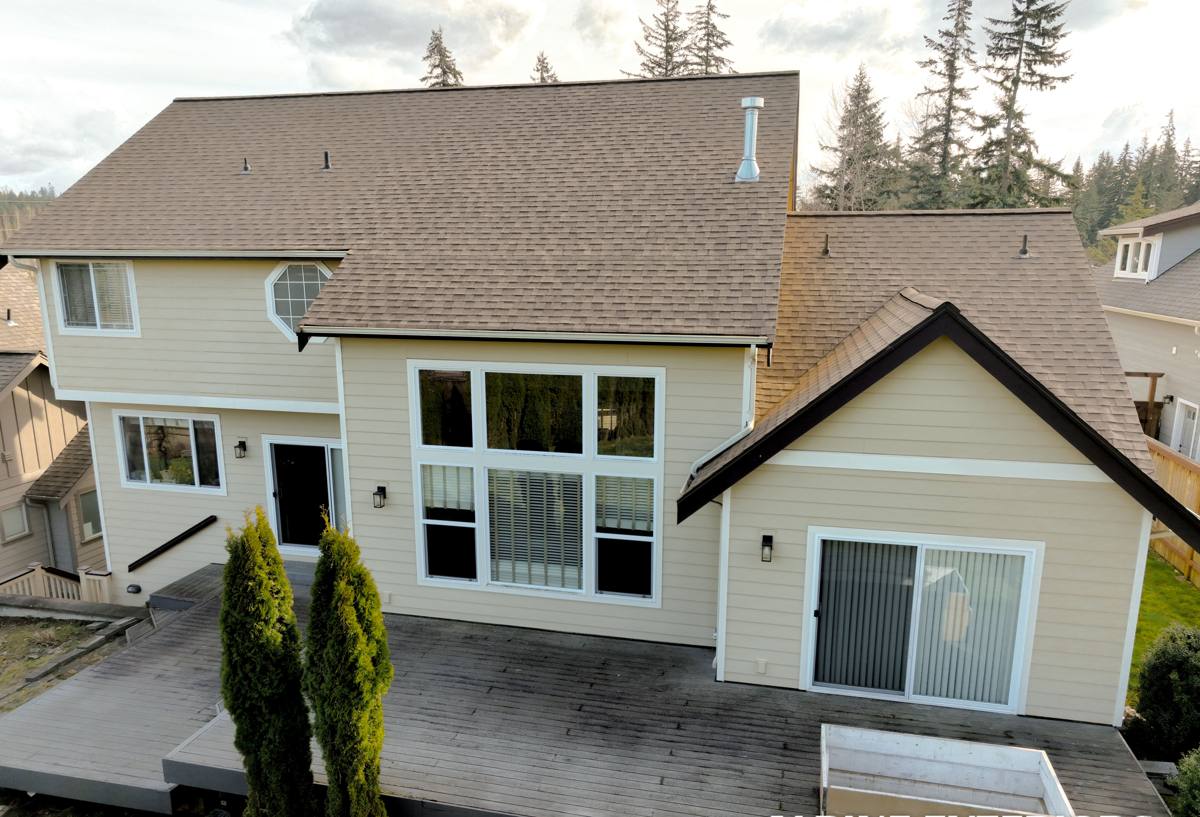
New Construction vs. Replacement: Why the Install Method Matters
New-construction windows are built with a nailing fin (also called a nail flange) around the perimeter of the frame. That fin gets fastened directly to the wall sheathing and integrated into the water-resistive barrier (WRB) and flashing system before siding goes on. This is different from a retrofit or pocket-replacement window, which fits into an existing opening and leans more heavily on sealant and the original flashing already in the wall.
The advantage of a true new-construction install is that it lets us build a complete, layered drainage plane around the window — flashing, WRB, and fin all overlapped in the correct order — rather than working around what's already there. Done right, water that reaches the window opening is directed back out to the exterior, not into the wall cavity. Done poorly, that same system can trap water behind the siding, where it won't show up until there's rot, mold, or a stained ceiling below a window head.
What York Homes Specifically Need From Their Windows
Salt Air and Hardware Corrosion
Proximity to Bellingham Bay means airborne salt is a real factor on window hardware, fasteners, and metal cladding — not just on waterfront lots, but across much of the city depending on wind patterns. Standard steel fasteners and low-grade hardware corrode faster here than they would inland. We fasten with corrosion-resistant screws and confirm that window hardware (hinges, locks, balance systems) is rated for coastal exposure, so operable windows keep working smoothly instead of seizing up or staining the frame after a few winters.
Driving Rain and Water Management
Storms coming off the Strait and the Sound frequently bring wind-driven rain, which behaves differently than a straight-down rainfall. Wind-driven water gets pushed sideways and upward into gaps that would stay dry in calmer weather, including under sills and around the sides of a rough opening. That's why sill pan flashing and correct head flashing with a drip cap aren't optional details on a York new-construction job — they're the actual line of defense once sealant eventually ages and cracks, which all sealant does over time.
A Long Moss Season and Sustained Moisture
Bellingham's mild, wet stretch of the year keeps moisture sitting on north- and shade-facing surfaces for extended periods, and that's exactly where moss takes hold — on trim, sills, and anywhere water lingers instead of draining. Moss itself doesn't damage a window, but it holds moisture against wood trim and caulk joints far longer than a dry surface would, accelerating rot and sealant failure if the details underneath aren't solid. Correct flashing and sloped sills that shed water quickly matter more here than in a drier climate.
What a Correct Install Actually Involves
The Sill Pan Comes First
Before a window ever sits in the rough opening, the sill should have a sloped pan flashing installed — either a factory pan or one built and sealed on site — so any water that gets past the window sheds back outside instead of pooling on the framing. This is one of the most commonly skipped steps on rushed jobs, and it's the one that causes the most damage when it's missing.
Shingle-Lap Sequencing
Flashing tape and the WRB need to be layered like shingles on a roof: each piece overlapping the one below it, so water is always directed downward and outward, never into a seam that traps it. Side flashing goes over the sill pan, the window's nailing fin goes over the side flashing, and head flashing goes over the top of the fin last. Getting this order backward is a quiet mistake that looks fine on install day and only shows itself years later.
Sealant as a Backup, Not the Primary Defense
We use quality sealant at the right joints, but we don't rely on caulk alone to keep water out — it's a backup to the flashing system, not a substitute for it. Sealant fails eventually; correctly lapped flashing is what keeps the wall dry after that happens.
Fastening and Shimming
Windows need to be shimmed square and plumb before fastening, with shims placed to avoid warping the frame, which affects how smoothly the window operates for years afterward. Fasteners go through the nailing fin into structural framing, spaced and driven per the manufacturer's instructions — overdriving or underdriving fasteners is a small thing that causes real long-term problems.
Choosing a Frame Material for This Climate
Frame material affects how a window handles moisture exposure, temperature swings, and long-term maintenance. There's no single right answer for every project — it depends on budget, the home's design, and how much upkeep you want to take on.
| Frame Material | Moisture & Corrosion Behavior | Maintenance | General Notes |
|---|---|---|---|
| Vinyl | Won't rot or corrode; performs well in wet climates | Low — no painting or sealing needed | Cost-effective, wide color/style range, good energy performance |
| Fiberglass | Very stable in moisture and temperature swings; minimal expansion/contraction | Low | Higher upfront cost, strong long-term durability |
| Wood-clad | Exterior cladding protects the wood, but any breach in the cladding or sealant lets moisture reach the wood core | Moderate to higher — exterior finish and joints need periodic inspection | Warm interior appearance; installation detailing matters more in wet climates |
| Aluminum | Can pitt or corrode faster in salt-air exposure without a marine-grade finish | Moderate | Narrow sightlines, strong for large openings; we discuss coating and hardware grade carefully for coastal lots |
For most York new-construction projects, vinyl or fiberglass frames offer the best balance of moisture performance and low upkeep. Wood-clad and aluminum both have a place, but we're upfront about the extra attention their joints and finishes need in a marine climate like this one.
How We Approach a York New-Construction Project
- Walk the plans with the builder or homeowner to confirm window schedule, sizes, egress requirements, and rough opening dimensions before framing is finalized.
- Inspect rough openings once framing is complete, checking they're square, plumb, and properly sized before any flashing goes on.
- Install sill pan flashing and sequence the WRB and side/head flashing in the correct shingle-lap order.
- Set, shim, and fasten each window to manufacturer spec, checking operation (opening, closing, locking) before moving on.
- Seal designated joints and document the flashing install where required for inspection or warranty purposes.
- Final walkthrough with the builder or homeowner, confirming every unit operates correctly and the exterior detailing is complete before siding closes it in.
What Affects the Cost
Every new-construction window job is priced around the specifics of the home, but a few factors consistently move the number up or down:
| Factor | How It Affects Cost |
|---|---|
| Number and size of window openings | More or larger openings mean more material and labor time |
| Frame material | Vinyl is generally the most budget-friendly; fiberglass and wood-clad run higher |
| Wall height and access | Second-story or hard-to-access openings take longer and may need additional equipment |
| Flashing complexity | Unusual openings, bay windows, or non-standard trim details add install time |
| Egress and code requirements | Bedroom egress windows and specific glazing requirements can affect unit selection and cost |
We don't quote a job off a phone call — every new-construction estimate is based on the actual plans or framed openings, so the number reflects the real scope, not a generic average.
Why Hiring a Crew That Already Works York Matters
New-construction window installation touches building code, inspection scheduling, and the sequencing of other trades — siding, trim, and often stucco or masonry crews are all waiting on the window install to be finished and signed off before they can start their own work. A crew that already works in and around York and greater Bellingham knows the local inspection process, understands how Whatcom County's climate should shape flashing and material decisions, and isn't learning those lessons on your project. That familiarity shows up as fewer delays, fewer callbacks, and a building envelope that's actually built for the weather it's going to face.
What to Check Before You Hire for New-Construction Windows
- Ask specifically how they handle sill pan flashing and shingle-lap sequencing — a vague answer is a red flag.
- Confirm they carry current liability insurance and any required licensing for exterior construction work in Washington.
- Ask whether they coordinate directly with your builder or framer on rough opening timing and sizing.
- Ask what fastener and hardware grade they use, especially if your lot is close to the water.
- Get the estimate in writing, tied to your actual window schedule — not a rough per-window average.
- Ask how they document flashing installation for inspection or warranty purposes.
Let's Talk About Your Project
If you're framing a new home or addition in York and want windows installed by a crew that treats flashing and sequencing as seriously as the windows themselves, we're happy to look at your plans. Reach out for a free, no-pressure estimate using the form below.